

From Downloads to Dollars: App Features That Convert
April 27, 2026
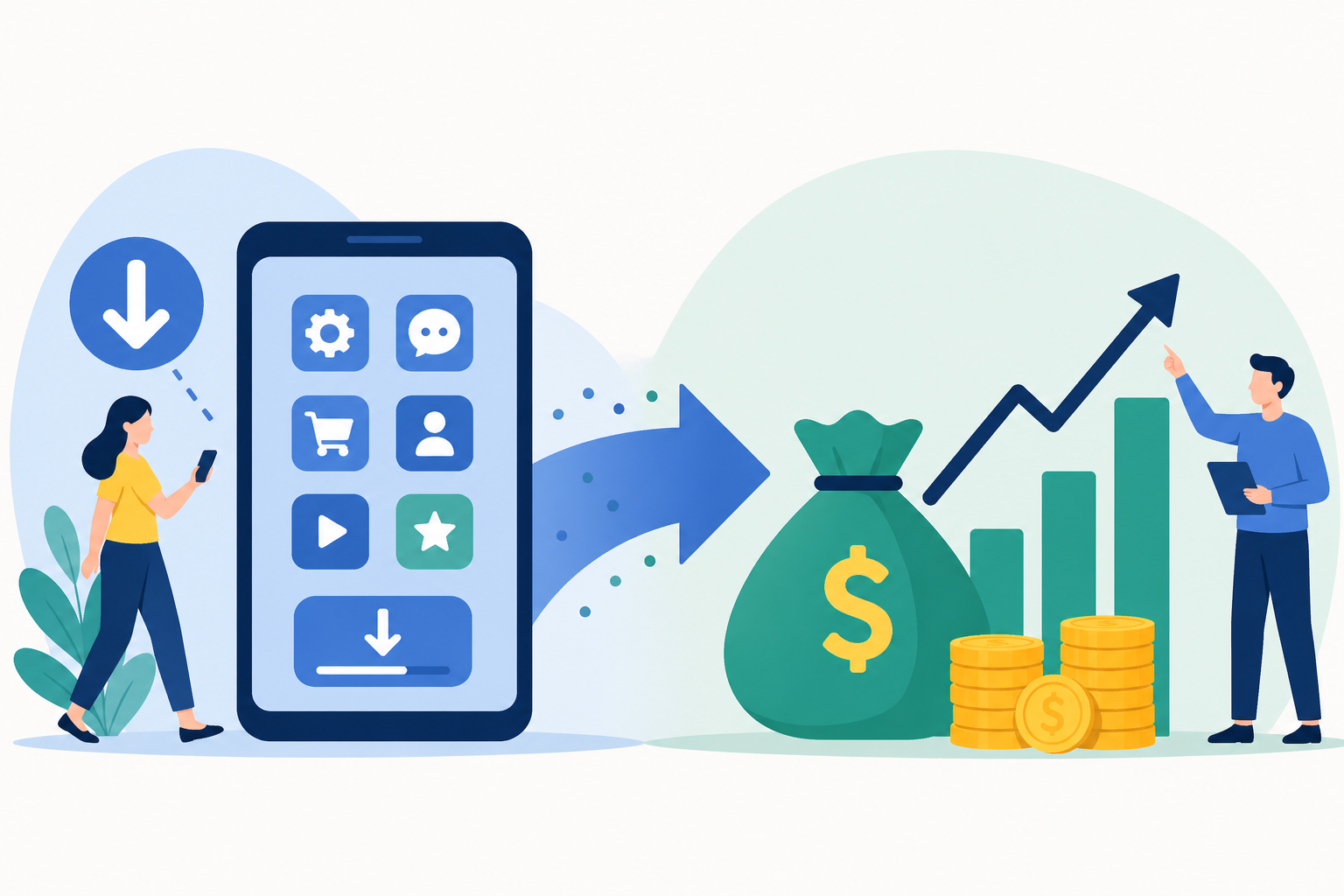
Creating an app that only racks up downloads is no longer enough. Businesses want apps that generate revenue, engage users, and provide measurable ROI. While flashy interfaces and trendy designs may attract initial attention, the features built into an app determine whether it converts users into paying customers or leaves them uninstalling after the first use. Understanding which app features directly impact revenue is critical for startups and established companies alike.
This article dives into the top app features that not only enhance user experience but also maximize revenue potential. From security and personalization to seamless payment integrations, these features are the difference between a popular app and a profitable one.
Understanding Revenue-Driving Features
Before exploring individual features, it’s important to recognize that revenue-focused apps are designed strategically from the ground up. Every feature should contribute to engagement, retention, or monetization. Apps that generate revenue typically focus on three pillars: user trust, usability, and value.
Building an app without a clear monetization plan or understanding of user needs can result in wasted investment. By aligning features with business objectives, you can ensure the app drives both downloads and sustainable revenue.
1. Secure Payment Options
Monetization starts with making it easy for users to pay. Apps that integrate secure payment gateways, digital wallets, and one-click payment options see significantly higher conversion rates. Features such as Apple Pay, Google Pay, and in-app purchases reduce friction in the checkout process.
Security is not just a compliance measure—it’s a revenue driver. Users are far more likely to complete transactions when they feel their data is safe. Implementing robust security measures and educating users about your app’s protections can build trust, which directly translates to revenue.
2. Personalization and Recommendations
Generic user experiences rarely convert. Apps that leverage personalization, behavioral data, and AI-driven recommendations can dramatically increase user engagement and revenue.
For instance, e-commerce apps that suggest products based on browsing history or previous purchases see higher average order values. Subscription apps that recommend content based on user preferences experience longer retention and lower churn rates. Personalization creates a sense of relevance, making users more likely to spend money, subscribe, or return frequently.
3. Loyalty Programs and Rewards
Rewarding users for consistent engagement encourages repeat purchases and boosts lifetime value. Features like points systems, badges, or exclusive discounts motivate users to stay active and spend more.
A well-designed loyalty program can also create social proof and virality. Users often share rewards with friends or encourage others to join, indirectly generating additional revenue. Combining loyalty programs with personalized recommendations amplifies revenue potential.
4. Push Notifications with Context
Push notifications are more than reminders—they are a tool to drive revenue when used strategically. Sending contextual, personalized notifications about sales, promotions, or app updates can encourage immediate action.
However, generic or excessive notifications can drive users to uninstall the app. By targeting notifications based on user behavior, location, or interests, apps can increase conversion rates without sacrificing user satisfaction. Effective notifications often lead directly to in-app purchases, subscription upgrades, or premium feature adoption.
5. Subscription Models and Freemium Options
Subscription and freemium models are among the most consistent revenue-generating strategies. Apps that offer free basic features while reserving advanced capabilities for paid users provide a clear value proposition.
Key considerations for revenue growth through subscriptions include tiered pricing, exclusive content, and trial periods. By analyzing user behavior and optimizing subscription features, businesses can increase upgrades and retention. Combining this with secure payment integrations ensures users can subscribe confidently and conveniently.
6. In-App Analytics and Reporting
Understanding user behavior is crucial for revenue optimization. Apps that integrate analytics dashboards and reporting features allow businesses to track engagement, identify bottlenecks, and adjust strategies in real-time.
Analytics help determine which features drive purchases, which notifications convert, and how retention impacts lifetime value. Businesses can also test pricing strategies and feature placement to maximize revenue. Continuous monitoring ensures the app evolves in alignment with user needs and monetization goals.
7. Seamless Onboarding Experience
User onboarding is often the first interaction a customer has with your app, making it a critical point for retention and monetization. A smooth, intuitive onboarding process ensures users understand the app’s value quickly.
Features like interactive tutorials, progress indicators, and optional skip buttons reduce friction and increase completion rates. Apps that successfully educate users and demonstrate value during onboarding see higher engagement and revenue conversion. A strong onboarding experience also sets the stage for upselling premium features and subscriptions.
8. Social Integration and Sharing
Social features not only increase engagement but also drive organic growth and revenue. By allowing users to share achievements, purchases, or content on social media platforms, apps create new touchpoints for acquisition.
Incorporating social logins also simplifies registration, lowering barriers to entry and increasing conversion. Viral sharing combined with referral programs can amplify revenue without increasing marketing costs, creating a self-sustaining growth loop.
9. Offline Functionality
Apps that work offline or with limited connectivity improve retention and overall revenue potential. Users appreciate the ability to access content, browse products, or perform basic functions even when not connected to the internet.
For example, an offline mode for streaming content or accessing a digital library keeps users engaged, which leads to more frequent in-app purchases and higher lifetime value. Apps that fail to offer offline functionality risk losing users to competitors who provide uninterrupted service.
10. Testing and Quality Assurance
High-performing apps rely on flawless functionality to retain users and drive revenue. Bugs, crashes, and slow performance directly impact conversions and user trust. Investing in comprehensive testing and QA ensures the app works reliably across devices and operating systems.
From functional testing to usability assessments, quality assurance is a revenue-driving feature in itself. Apps that deliver a seamless experience retain users longer, reduce churn, and encourage spending.
11. Roadmap Transparency and Feature Updates
Users are more likely to invest in an app when they see a clear development roadmap and regular feature updates. Transparent communication about new features, bug fixes, and improvements builds trust and keeps users engaged.
Businesses that actively involve users in app evolution—through feedback, beta programs, or early access—can increase conversion rates and reduce churn. The process of prioritizing and executing new features aligns with the broader key stages app development framework, ensuring revenue-focused growth.
12. Scalability and Performance Optimization
Finally, an app that scales efficiently under growing user demand drives revenue by accommodating more transactions without degrading performance. Optimized apps with fast load times, smooth animations, and efficient backend architecture keep users engaged and willing to spend.
Scalability ensures that revenue growth is sustainable. Businesses can confidently expand marketing efforts, onboard more users, and introduce new premium features without worrying about technical limitations.
Conclusion
Building an app that generates revenue requires more than just downloads. Revenue-driving apps focus on security, personalization, engagement, and reliability, ensuring that every feature contributes to user retention and monetization. Secure payments, loyalty programs, personalized recommendations, and robust analytics work together to create an ecosystem where users not only download the app but also spend and return consistently.