

Why App Security Matters for User Trust
December 26, 2025
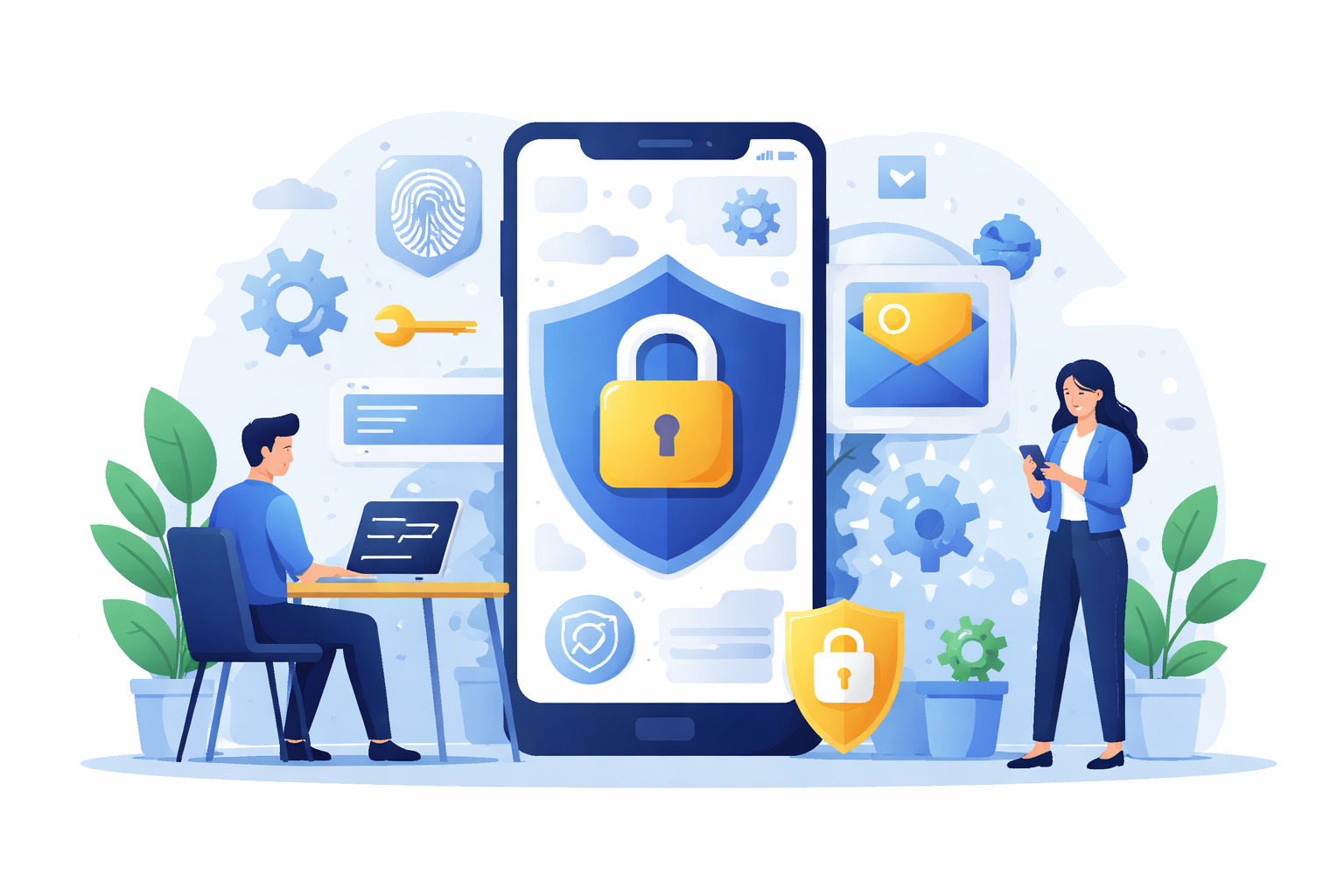
App security isn’t just a technical checkbox—it’s the foundation of user trust. Every time someone downloads an app, they’re trusting you with their personal data, from emails to payment details. A single security misstep can break that trust instantly, costing users, credibility, and revenue.
For businesses, prioritizing security is about more than compliance—it’s about building confidence, retaining users, and standing out in a crowded market. This post explores why app security matters, common threats, and practical ways to keep your users—and your reputation—safe.
How Security Builds Lasting User Trust
Trust is the backbone of any digital experience. Users share sensitive information with your app and expect it to be handled responsibly. When security fails—even once—it can trigger immediate abandonment and negative word-of-mouth.
Investing in professional app development ensures security is baked in from day one. Experienced developers follow best practices for secure coding, encrypted data, and thorough testing. When users feel confident their data is protected, they’re more likely to engage, return, and recommend your app.
Common App Security Risks to Know
Understanding threats is the first step toward protection. Here are the most common risks apps face today:
Data Breaches
Data breaches expose sensitive user information like passwords, emails, or payment details. Even a minor breach can damage your reputation and trigger costly remediation.
Malware and Phishing
Apps without proper security can become targets for malware or phishing. These attacks can steal data, manipulate user behavior, or even compromise devices.
Weak Authentication
Weak passwords or missing multi-factor authentication make it easy for attackers to gain access. Strong login systems reduce this risk and reinforce user confidence.
Insecure APIs
Many apps rely on third-party APIs for functionality. If these connections aren’t secure, they can serve as gateways for attacks. Choosing the right platform—native vs cross-platform app development—can influence both security and reliability.
The Business Case for Strong Security
Security lapses aren’t just a threat to users—they’re a risk to your business. Breaches can result in lost customers, negative reviews, and regulatory fines.
Prioritizing security demonstrates professionalism and a commitment to protecting users. Early investment in secure development can also lower long-term costs. Addressing security proactively avoids expensive fixes and reinforces your brand reputation.
Best Practices for Secure Apps
Strong security starts with planning and continues throughout the app lifecycle. Here’s how to build trust from the ground up:
1. Adopt Secure Coding Standards
Following secure coding practices prevents common vulnerabilities like SQL injection or cross-site scripting. Working with teams skilled in professional app development ensures these standards are applied consistently.
2. Test Security Regularly
Routine security testing—including automated scans and manual penetration tests—helps identify and address risks before they become problems.
3. Encrypt Sensitive Data
Encrypting data in transit and at rest ensures that even if intercepted, information remains unreadable. Use modern encryption protocols like SSL/TLS for best results.
4. Strengthen Authentication
Multi-factor authentication and role-based access control help prevent unauthorized access. Strong authentication improves security and builds user confidence.
5. Continuous Monitoring and Updates
Security isn’t a one-time effort. Regular monitoring, regular updates, and vulnerability patching ensure your app remains resilient over time.
Validating Your App Idea with Security in Mind
Security shouldn’t be an afterthought. Validating your app idea early helps identify potential risks and ensures your app meets user expectations safely.
Hiring the right expertise is also crucial. Following guidance on hiring an app developer ensures your team has the skills to implement strong security measures from the outset.
Security as a Competitive Advantage
Strong security isn’t just about protection—it’s a selling point. In a market where users care about privacy and data safety, apps that prioritize security stand out. Highlighting secure practices can attract and retain users while reducing downtime and operational risks.
Conclusion
App security is a critical factor in building user trust. Protecting data, maintaining privacy, and preventing unauthorized access isn’t optional—it’s essential for long-term success.
Investing in secure development practices, validating your app idea early, and hiring skilled developers ensures both users and your business are protected. Strong security isn’t just risk mitigation—it’s a mark of professionalism and a competitive edge that users notice and value.