

What Clients Should Prepare Before Hiring an App Developer
December 8, 2025
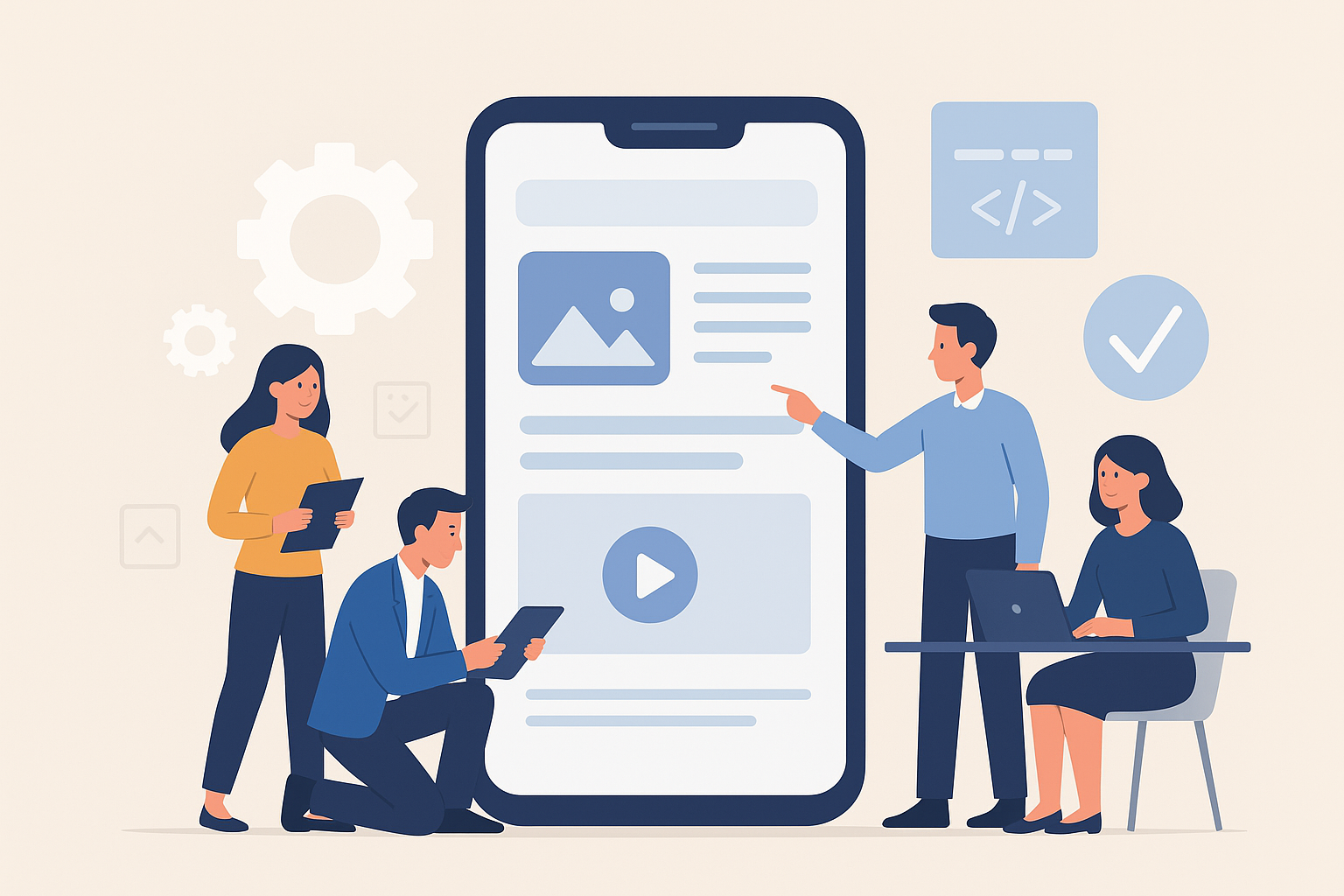
Hiring an app developer is a major step, whether you’re launching your first product or expanding your digital ecosystem. Proper preparation helps you communicate effectively, avoid unnecessary delays, and ensure the final product aligns with your vision. The more groundwork you complete before onboarding a developer, the smoother the process becomes.
This guide breaks down everything clients should organize ahead of time so you can start your project with clarity and confidence.
Understanding Your App Vision Before Development Begins
Clarify the Purpose and Problem Your App Solves
Every successful app starts with a well-defined concept. Before speaking with a developer, outline the problem your app solves and the value it brings to users. A clear vision helps developers understand the goals behind your features and ensures the solution is built around real needs.
If you’re still fine-tuning the idea, grounding your concept in real data through idea validation methods can help you move forward confidently. Developers appreciate when clients come prepared with insights backed by real-world validation.
Identify Your Target Users
Knowing who your app is for helps shape the features, design, and overall experience. Consider:
- User demographics
- The main frustrations they face
- What functions matter most to them
- Which platforms they use most frequently
This clarity allows developers to create user flows and screens tailored to your audience’s expectations.
Preparing Functional and Non-Functional Requirements
List the Core Features You Need
Before hiring a developer, outline what your app must include at launch. This helps prevent scope creep and allows developers to give you realistic quotes. Break your feature list into:
- Primary features (the core functionality of your app)
- Secondary features (enhancements that improve UX but aren’t essential)
This prioritization helps developers plan your MVP efficiently.
Consider App Performance and Experience Expectations
Beyond the feature list, think about how your app should perform:
- Speed and responsiveness
- Offline usability
- Security requirements
- Scalability for future growth
Sharing these expectations early gives developers the information they need to choose the right architecture and tools.
Understanding Platform Choices and Development Approaches
Decide on Native or Cross-Platform Development
Before the hiring stage, get familiar with the differences between native apps and cross-platform development. Your choice affects performance, cost, maintenance, and user experience.
Having background knowledge on both approaches lets you have more productive discussions with potential developers.
Choose Your Platforms Early
Decide whether you want to launch on:
- iOS
- Android
- Both at once
Your developer will use this information to plan the timeline and estimate the required workload.
Budget Preparation and Cost Awareness
Learn What Impacts App Development Pricing
App development costs vary widely. Factors such as features, platform, design complexity, backend needs, and integrations shape your financial requirements. Familiarizing yourself with what drives app cost helps you set realistic expectations and prevents sticker shock when quotes arrive.
Understanding cost drivers also allows you to prioritize better when your budget is limited.
Prepare a Range, Not a Single Number
Instead of giving a fixed budget, offer a range. This gives developers the flexibility to propose different solutions and find the best balance between features, quality, and timeline.
Planning Your App Content and Visual Direction
Gather Your Initial Content
Even basic drafts help developers understand the tone, structure, and intent behind your app. Prepare:
- Branding assets (logo, colors, fonts)
- Copy for screens (labels, onboarding text, key messages)
- Sample images or media
It doesn’t have to be final—just organized enough for developers to begin structuring the UI.
Build an Inspiration Folder
Collect app designs or features you admire. These references help developers understand your expectations for layout, animation, colors, and user flow.
Setting Timeline Expectations and Development Phases
Identify Your Preferred Launch Window
You don’t need a strict deadline, but having a general time frame helps developers plan sprints and milestones. Consider:
- Prototype target dates
- Beta launch windows
- Full release expectations
These time markers give structure to the development journey.
Understand That Apps Evolve Iteratively
Revisions, feedback loops, and testing cycles are part of the development process. Knowing this helps you approach the project with realistic expectations regarding feedback, fixes, and improvements.
Preparing Legal, Security, and Compliance Requirements
Set Up Basic Legal Protection
Before hiring a developer, consider preparing:
- NDAs
- Work ownership agreements
- Intellectual property expectations
This ensures both parties understand who owns the code, designs, and final product.
Define Your Security Requirements
If your app handles sensitive information such as payments or personal data, outline what level of protection you expect. Developers can recommend solutions, but you should have a basic idea before the project begins.
Gathering Technical Documentation and Workflow Preferences
Create User Flow Drafts or Basic Wireframes
You don’t need professional mockups. Even simple sketches on paper help clarify your vision. These outlines show developers:
- How users move through the app
- The relationship between screens
- Expected behaviors and interactions
Developers appreciate clients who put effort into visualizing their ideas—it speeds up the planning process.
Share How You Prefer to Communicate
Before hiring a developer, define your preferred communication style:
- Weekly meetings
- Chat updates
- Email summaries
- Milestone check-ins
Clear communication expectations lead to smoother collaboration.
Establishing Your Post-Launch Plan Early
Prepare for Ongoing Maintenance
Every app needs updates after launch. Before hiring a developer, consider:
- How you’ll handle bug fixes
- Future feature updates
- Ongoing support needs
Discussing this early helps you choose a developer or agency capable of supporting long-term growth.
Outline Your User Acquisition Strategy
Even the best app needs a plan to bring in users. Begin thinking about:
- Organic marketing
- Paid promotion
- Social presence
- Partnerships
Your launch strategy influences how developers design onboarding, analytics, and engagement systems.
A Complete Checklist Before Hiring Your App Developer
Before you finalize your hiring decision, you should have:
- A validated concept backed by real user or market insights
- Defined target users
- A prioritized feature list
- Understanding of native apps and cross-platform options
- Clear expectations of what affects app cost
- Initial branding and content
- Wireframes or user flows
- A realistic timeline
- Legal and security basics
- A communication framework
- A post-launch strategy
Completing these steps shows developers that you’re organized and serious about your vision—making them far more invested in delivering a high-quality product.
Final Thoughts
The more prepared you are before hiring an app developer, the smoother your project will be. Clear goals, documented requirements, and realistic expectations help developers build exactly what you envision. Whether you’re a startup founder or a business owner expanding your digital presence, the right preparation sets the stage for an efficient, successful development journey.