

Retargeting Strategies That Actually Bring Sales
May 6, 2026
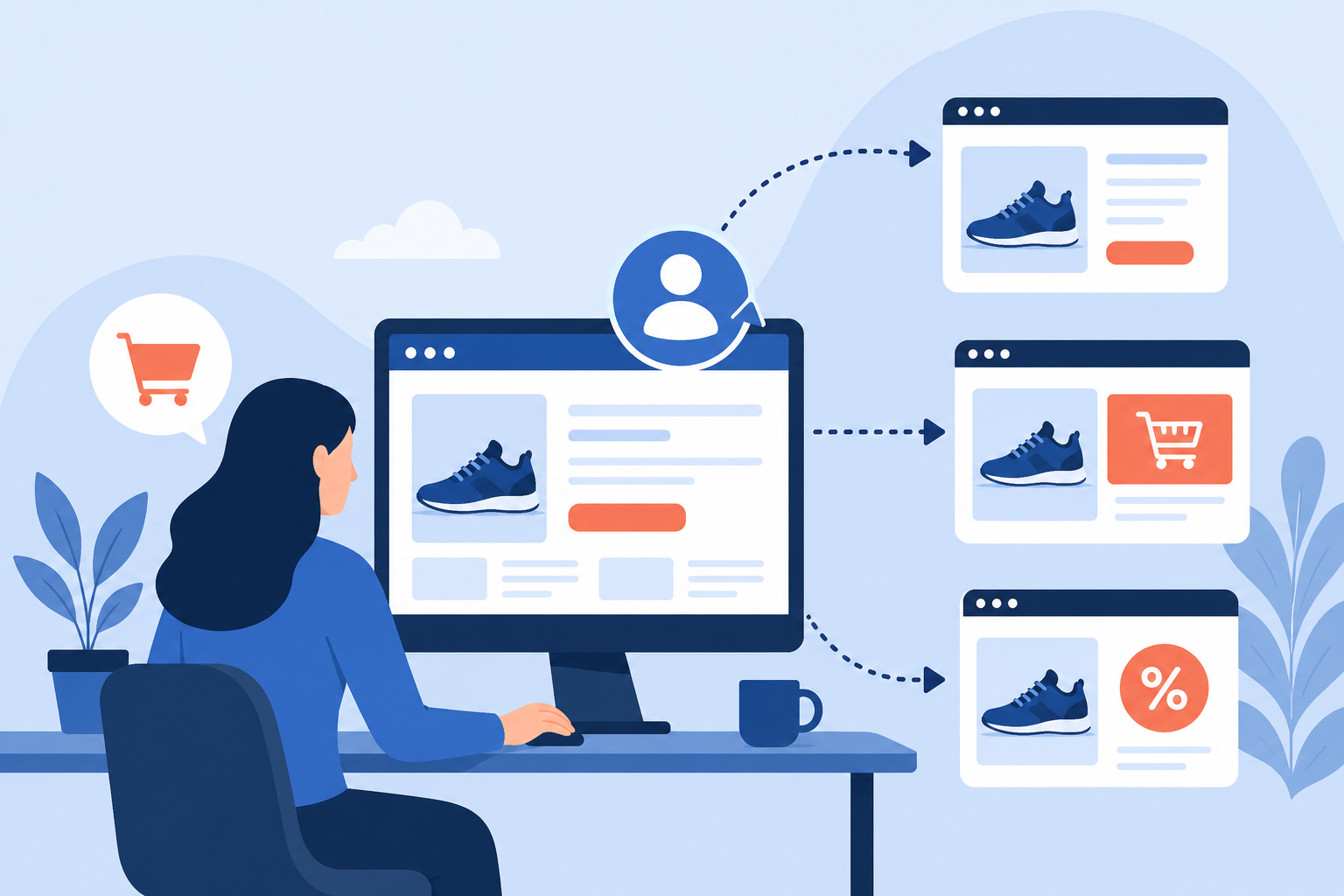
Most people do not buy the first time they visit your website. They browse, compare, get distracted, leave items in a cart, or tell themselves they will come back later.
That is exactly why retargeting strategies matter.
Retargeting helps you reconnect with people who already showed interest in your brand. Instead of chasing cold audiences from scratch, you speak to warm prospects who have visited your site, viewed a product, clicked an ad, watched a video, or started the buying process.
When done well, retargeting ads feel timely, helpful, and relevant. When done poorly, they feel repetitive, pushy, and easy to ignore.
This guide breaks down retargeting strategies that actually work, how to use them without annoying your audience, and how to turn lost traffic into measurable sales.
What Is Retargeting in Digital Marketing?
Retargeting is a digital advertising strategy that shows ads to people who have already interacted with your business online.
That interaction could include visiting your website, viewing a product page, reading a blog post, adding something to a cart, downloading a lead magnet, or engaging with your social media content.
The goal is simple: bring interested people back and move them closer to conversion.
For example, someone may visit your service page, leave without booking a call, and later see an ad reminding them of the specific solution they viewed. That reminder can be enough to bring them back when they are ready to act.
Retargeting is powerful because the audience is already familiar with you. You are not starting from zero. You are continuing a conversation.
Why Retargeting Strategies Work So Well
Retargeting works because buyer journeys are rarely instant.
People often need several touchpoints before making a decision. They may compare competitors, check reviews, wait for approval, consider pricing, or simply forget to return.
Retargeting keeps your brand visible during that decision-making window.
It also helps improve the value of your existing traffic. If you are already spending money on SEO, paid ads, content, email, or social media, retargeting gives those visitors another path back to your offer.
That makes it especially useful for businesses trying to recover more value from traffic they already earned.
A strong retargeting campaign is not just about showing ads again. It is about showing the right message to the right person based on what they already did.
Start With Audience Segmentation
The biggest mistake businesses make with retargeting is treating every visitor the same.
Someone who read one blog post is not as close to buying as someone who abandoned a checkout page. A person who visited your pricing page likely needs a different message than someone who watched a short social video.
Segmentation helps you create more relevant campaigns.
Segment by Website Behavior
Start by grouping visitors based on what they did on your website.
Common segments include:
- Homepage visitors
- Blog readers
- Product or service page visitors
- Pricing page visitors
- Cart abandoners
- Checkout abandoners
- Contact page visitors
- Past customers
Each group tells you something different about intent.
A homepage visitor may still be learning about your brand. A pricing page visitor may be comparing options. A cart abandoner may need reassurance, urgency, or a small incentive.
This is where retargeting becomes much more effective than generic display advertising.
Segment by Funnel Stage
You can also organize audiences by where they are in the marketing funnel.
Top-of-funnel visitors need education and trust-building. Middle-of-funnel prospects need proof, comparisons, and reasons to choose you. Bottom-of-funnel prospects need a clear offer and low-friction next step.
This approach helps your ads feel more useful because the message matches the buyer’s mindset.
For instance, someone who only read a beginner blog post may respond better to a helpful resource. Someone who viewed your service page three times may be ready for a consultation offer.
Match Your Message to User Intent
Retargeting works best when the ad reflects what the person already showed interest in.
If someone viewed a product, show that product or a related benefit. If they read a blog about SEO, bring them back with a deeper SEO-related offer. If they abandoned a cart, remind them what they left behind.
The more specific your message, the more relevant your campaign feels.
This is also why your website content matters. A visitor who lands on a high-intent page gives you a clearer signal than someone who casually browses.
For businesses competing in local search, improving traffic quality before retargeting can make a major difference. Visitors coming from competitive local search campaigns often have stronger purchase intent because they are actively looking for nearby solutions.
Retargeting that kind of traffic gives you a better chance of converting people who were already close to taking action.
Use Cart Abandonment Retargeting
Cart abandonment is one of the most valuable retargeting opportunities.
When someone adds a product to their cart, they have already shown buying intent. They may have left because of shipping costs, distraction, payment friction, uncertainty, or comparison shopping.
A retargeting ad can bring them back with the right nudge.
What to Include in Cart Retargeting Ads
Strong cart abandonment ads often include:
- The exact product left behind
- A reminder of the main benefit
- Customer reviews or ratings
- Free shipping or limited-time incentives
- Clear return or guarantee messaging
- A direct call to complete the purchase
The key is to remove hesitation.
If price is a common objection, highlight value or savings. If trust is the issue, show social proof. If the checkout process feels risky, mention secure payment or easy returns.
Many businesses see better results when they combine retargeting ads with cart recovery emails. The ad keeps the product visible, while the email gives more room for detail.
For deeper recovery campaigns, retargeting lost sales can help turn abandoned carts and missed conversions into second-chance revenue.
Retarget High-Intent Pages
Not all website visits are equal.
Some pages signal stronger buying intent than others. These usually include pricing pages, demo pages, booking pages, product pages, comparison pages, and contact pages.
People who visit these pages are often evaluating whether to take the next step.
Your retargeting strategy should prioritize them.
For example, if someone visits your pricing page but does not convert, your ad could highlight a free consultation, a client success story, or a limited-time offer. If someone views a service page, your ad could focus on the exact problem that service solves.
This is more effective than showing a generic brand awareness ad to everyone.
High-intent retargeting also helps sales teams. If your business relies on leads, these ads can encourage visitors to book a call, request a quote, or download a decision-stage resource.
Create Retargeting Ads for Blog Readers
Blog readers may not be ready to buy immediately, but they are still valuable.
They are showing interest in a topic related to your products or services. With the right strategy, you can move them from education to consideration.
The mistake is asking for too much too soon.
If someone reads a top-of-funnel blog post, do not immediately push a hard sales offer. Instead, offer a related guide, checklist, case study, webinar, or email signup.
This builds trust and gives you another way to continue the relationship.
For example, a person reading about digital marketing trends may be interested in how automation, personalization, and AI affect campaign performance. In that case, content around modern AI marketing can naturally move them deeper into your ecosystem.
The goal is not to force a sale. The goal is to keep the next step relevant.
Use Dynamic Product Retargeting
Dynamic retargeting shows people ads based on the exact products or services they viewed.
This is especially useful for ecommerce brands, online marketplaces, travel companies, real estate platforms, and businesses with multiple service categories.
Instead of creating a separate ad for every product, dynamic retargeting pulls information from your product catalog and automatically displays relevant items.
For example, if someone viewed running shoes, they may later see an ad featuring those shoes, similar styles, or complementary products.
This creates a personalized experience without requiring endless manual ad creation.
Dynamic ads can also include pricing, product names, discounts, and availability. That makes them more specific and often more effective than broad brand ads.
Control Ad Frequency
Retargeting can quickly become annoying if people see the same ad too many times.
Frequency control helps prevent ad fatigue.
Ad fatigue happens when your audience sees an ad so often that they stop noticing it or develop a negative impression of your brand. This can lower click-through rates, increase costs, and reduce trust.
A good retargeting strategy sets limits.
You do not need to follow someone around the internet forever. In most cases, shorter retargeting windows work better for high-intent actions, while longer windows may work for complex purchases with longer decision cycles.
For example, cart abandoners may need retargeting within a few days. B2B prospects considering a larger service may need nurturing over several weeks.
The right window depends on your sales cycle, product price, and audience behavior.
Refresh Your Creative Often
Even a strong retargeting ad will lose impact over time.
That is why creative rotation matters.
If your audience sees the same image, headline, and offer repeatedly, performance may decline. Refreshing your creative helps keep your campaign engaging.
You do not always need a completely new concept. Sometimes a small change is enough.
You can test:
- Different headlines
- New images or videos
- Alternative calls to action
- Customer testimonials
- Benefit-led copy
- Offer variations
- Seasonal messaging
The best retargeting campaigns feel active and responsive. They adapt based on what your audience is doing and how your ads are performing.
Use Social Proof to Reduce Hesitation
Many people leave a website because they are unsure.
They may wonder whether your product works, whether your company is credible, or whether other customers had a good experience.
Social proof helps answer those doubts.
Retargeting ads can include testimonials, star ratings, customer quotes, case study results, media mentions, before-and-after examples, or user-generated content.
This works especially well for people who visited a product, pricing, or service page but did not convert.
Instead of repeating the same offer, show proof that others trusted you and got results.
For service-based businesses, case studies can be especially persuasive because they show the process, problem, and outcome. For ecommerce brands, reviews and customer photos often carry more weight.
Build Sequential Retargeting Campaigns
Sequential retargeting means showing different ads in a planned order.
Instead of showing the same ad repeatedly, you guide people through a journey.
For example:
First, someone visits your website. They see an ad introducing your key benefit.
Next, they see a testimonial or case study.
Then, they see a limited-time offer or booking prompt.
This creates a more natural experience. It mirrors how people actually make decisions.
Sequential retargeting is especially useful for higher-priced offers, B2B services, online courses, software, and professional services. These buyers often need more context before converting.
It also helps avoid sounding repetitive. Each ad has a purpose, and each message builds on the last one.
Exclude People Who Already Converted
This sounds basic, but many campaigns miss it.
If someone already purchased, booked a call, or submitted a form, they should not keep seeing ads asking them to do the same thing.
That wastes budget and creates a poor customer experience.
Instead, move converted users into a different audience.
For buyers, you might show upsells, cross-sells, loyalty offers, onboarding content, or referral campaigns. For leads, you might show nurturing content or reminders before a consultation.
Retargeting should always reflect the current relationship.
A first-time visitor, active lead, and existing customer should not all see the same ad.
Combine Retargeting With Email Marketing
Retargeting becomes stronger when paired with email.
Ads keep your brand visible across platforms. Email gives you more space to educate, explain, and persuade.
Together, they create a more complete follow-up system.
For example, someone who downloads a guide could receive an email sequence while also seeing retargeting ads related to the same topic. Someone who abandons a cart could receive both an email reminder and a product-focused ad.
This multi-channel approach keeps the message consistent without relying on one platform.
The key is alignment. Your emails and ads should support the same offer, speak to the same pain points, and guide people toward the same next step.
Retarget Video Viewers and Social Engagers
Not every valuable audience comes from your website.
You can also retarget people who watched your videos, engaged with your social posts, clicked your profile, opened lead forms, or interacted with your page.
These audiences are useful because they already showed interest, even if they have not visited your website yet.
Video retargeting is especially effective.
Someone who watched 75% of a video is usually more engaged than someone who scrolled past it. You can retarget those viewers with a stronger offer, a website visit prompt, or a lead magnet.
Social engagement retargeting works well for brands building awareness before driving conversions. It gives you a way to warm people up before asking them to buy.
Use Strong Landing Pages
Retargeting ads can bring people back, but your landing page has to finish the job.
If the page is confusing, slow, vague, or disconnected from the ad, people will leave again.
Your landing page should match the ad message closely. If the ad promotes a specific service, the landing page should focus on that service. If the ad mentions a discount, the page should clearly show the discount.
A strong landing page includes:
- A clear headline
- One primary call to action
- Trust signals
- Relevant benefits
- Simple navigation
- Fast loading speed
- Mobile-friendly design
- Proof that reduces hesitation
Do not make users search for the thing your ad promised.
The smoother the experience, the better your retargeting results will be.
Test Offers, Not Just Ads
Many marketers test headlines and images but forget to test the offer itself.
The offer is often what drives conversion.
You can test different types of offers depending on your business model.
For ecommerce, this might include free shipping, bundle discounts, limited-time savings, or loyalty points. For service businesses, it might include a free audit, consultation, estimate, checklist, or strategy session.
For software, it could be a free trial, demo, comparison guide, or onboarding bonus.
The best offer depends on what is stopping people from converting.
If they need confidence, use proof. If they need urgency, use timing. If they need clarity, use education. If they need value, use an incentive.
Measure the Right Retargeting Metrics
Retargeting performance should be measured carefully.
Do not focus only on clicks. Clicks matter, but they do not tell the full story.
Track metrics such as:
- Return on ad spend
- Conversion rate
- Cost per conversion
- View-through conversions
- Assisted conversions
- Frequency
- Click-through rate
- Audience size
- Revenue from retargeted users
You should also compare campaign performance by audience segment.
Cart abandoners may convert at a higher rate than blog readers, but blog readers may still become valuable leads over time.
Looking at each audience separately helps you make better budget decisions.
Know When to Get Expert Help
Retargeting can look simple from the outside, but strong results require strategy, tracking, creative testing, audience segmentation, and ongoing optimization.
If your campaigns are spending money but not producing consistent conversions, it may be time to review the full funnel.
That includes your traffic sources, landing pages, ad creative, audience quality, analytics setup, and follow-up process.
A skilled team can help identify where prospects are dropping off and build campaigns that bring them back with the right message. If you want support beyond basic ad setup, you can hire marketing experts] who understand how retargeting fits into the bigger growth strategy.
Retargeting should not operate in isolation. It works best when it supports a clear, well-built marketing system.
Hire A Digital Marketing Experts
Common Retargeting Mistakes to Avoid
Even good businesses waste money on retargeting because they skip the fundamentals.
One common mistake is using one generic audience for everyone. This weakens relevance and makes your ads feel disconnected from user behavior.
Another mistake is running ads for too long without refreshing the creative. People stop paying attention when the message never changes.
Some businesses also forget to exclude converted users, which leads to wasted spend and awkward customer experiences.
Poor tracking is another issue. If your conversion events are not set up correctly, you may optimize campaigns based on incomplete or misleading data.
Finally, many campaigns fail because the landing page does not match the ad. A strong ad cannot fix a weak post-click experience.
The Best Retargeting Strategy Is Relevance
The heart of retargeting is relevance.
People should see ads that reflect what they care about, where they are in the buying journey, and what they need next.
That does not mean every ad needs a discount. Sometimes the best retargeting message is a helpful reminder, a useful resource, a customer story, or a clear explanation of value.
When your retargeting feels helpful instead of intrusive, people are more likely to return.
The strongest campaigns do not chase users randomly. They guide interested prospects back with timing, context, and purpose.
FAQ
What is the difference between retargeting and remarketing?
Retargeting usually refers to paid ads shown to people who previously interacted with your website, products, or content. Remarketing often refers to re-engaging people through email, although the terms are sometimes used interchangeably.
In practice, both strategies focus on bringing interested users back and encouraging them to take the next step.
How long should a retargeting campaign run?
It depends on your sales cycle.
For ecommerce, a shorter window of a few days to a few weeks may work well. For B2B services or higher-priced purchases, a longer window may be needed because buyers take more time to decide.
The goal is to stay visible without overexposing your audience.
Are retargeting ads worth it for small businesses?
Yes, retargeting can be very useful for small businesses because it focuses on people who already showed interest.
Instead of spending all your budget on cold traffic, you can re-engage website visitors, leads, and social media users who are already familiar with your brand.
What is the best audience for retargeting?
High-intent audiences usually perform best.
These include cart abandoners, pricing page visitors, product viewers, demo page visitors, and people who started but did not complete a form or checkout.
However, blog readers and social engagers can also be valuable when nurtured with the right content.
How do you avoid annoying people with retargeting ads?
Use frequency caps, exclude converted users, rotate your creative, and avoid showing the same ad for too long.
Most importantly, make the message relevant. Ads feel less annoying when they are useful, timely, and connected to what the person actually viewed.
What should retargeting ads say?
The message should match the user’s behavior.
Cart abandoners may need a reminder or incentive. Pricing page visitors may need proof or reassurance. Blog readers may need a helpful next-step resource. Past customers may respond better to upsells, referrals, or loyalty offers.
Can retargeting work without discounts?
Yes. Discounts can help, but they are not always necessary.
Testimonials, case studies, free consultations, product benefits, guarantees, comparison content, and educational resources can all work well depending on the audience and offer.
Conclusion
Retargeting strategies work best when they are built around user intent.
Instead of showing the same ad to everyone, segment your audience, match the message to behavior, control frequency, refresh creative, and guide people through a thoughtful journey.
The goal is not to pressure people into buying. The goal is to remind interested prospects why they came to you in the first place and make it easier for them to return.
When retargeting is relevant, well-timed, and connected to a strong landing page, it becomes one of the most effective ways to recover lost sales and improve marketing ROI.