

How to Win ‘Near Me’ Searches in Today’s Competitive Market
May 5, 2026
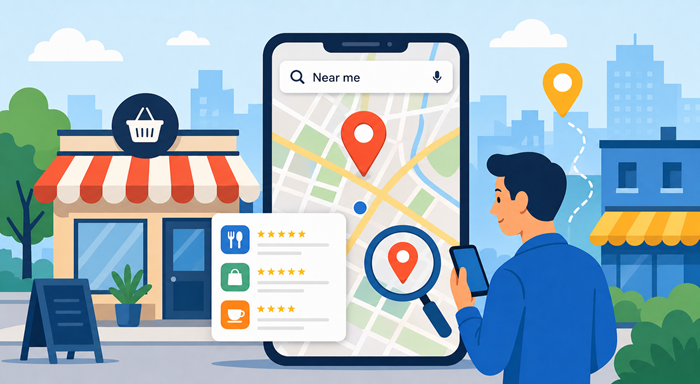
Businesses are no longer competing only on products or pricing. Visibility now shapes buying decisions, especially when people search for services close to their location. Whether someone is looking for a restaurant, law firm, gym, or marketing agency, local search behavior has completely changed how brands attract customers online.
For companies in the digital marketing industry, understanding how location-based search works is no longer optional. The brands showing up first in local search results are usually the ones earning the clicks, calls, and conversions. That is why mastering modern search optimization strategies has become essential for sustainable growth.
This guide breaks down the new blueprint for attracting location-focused customers, improving visibility, and building long-term authority in an increasingly crowded online space.
Why ‘Near Me’ Searches Matter More Than Ever
Search engines have become smarter about understanding user intent. When people type location-based queries, they are usually ready to take action. These searches often lead to immediate purchases, inquiries, or appointments.
That shift has created a major opportunity for businesses that invest in visibility strategies designed around local intent. Brands that optimize correctly can capture high-converting traffic without relying entirely on paid advertising.
At the same time, competition has intensified. Every industry now operates in a highly competitive market where businesses fight for the same audience attention. Winning visibility requires more than basic optimization tactics.
Modern search success depends on trust, relevance, user experience, and localized authority.
The Evolution of Local Search Behavior
A few years ago, ranking in search results was mostly about keywords and backlinks. Today, search engines evaluate dozens of trust and experience signals before deciding which businesses deserve top placement.
Consumers also expect faster and more accurate answers. Mobile users want immediate recommendations, directions, reviews, and contact details.
That means businesses must align their websites with both user intent and search engine expectations.
Mobile Search Has Changed Everything
Most location-based searches now happen on mobile devices. Users search while driving, shopping, traveling, or comparing services nearby.
If your website loads slowly or feels difficult to navigate on a smartphone, visitors often leave before taking action.
This is one reason many companies choose to redesign your website with modern mobile usability and performance improvements in mind.
Search Engines Prioritize Trust Signals
Search platforms increasingly reward websites that demonstrate credibility and expertise. Reviews, accurate business information, strong content quality, and authoritative references all contribute to stronger visibility.
Understanding the role of eeat in seo can help businesses build the authority needed to compete effectively in local search environments.
Building the Modern Local Search Strategy
A successful local visibility strategy requires more than simply adding city names to web pages. Businesses must create a complete ecosystem of trust, relevance, and usability.
Optimize Your Business Information Everywhere
Consistency matters.
Your business name, address, phone number, website, and hours should match across all online directories and listings. Inconsistent information creates confusion for both users and search engines.
Keep every platform updated, including:
- Google Business Profile
- Apple Maps
- Yelp
- Industry directories
- Social media profiles
Accurate business information improves credibility and helps search engines validate your legitimacy.
Create Location-Focused Service Pages
Businesses serving multiple cities or regions should build dedicated pages tailored to each location.
Avoid copying the same content repeatedly with only city names changed. Instead, create unique pages that discuss:
- Local customer needs
- Regional trends
- Relevant services
- Community-specific solutions
- Nearby case studies or testimonials
Localized pages help search engines understand geographic relevance more effectively.
Use Customer Reviews Strategically
Reviews strongly influence local rankings and buyer decisions.
Encourage satisfied customers to leave authentic reviews on trusted platforms. Respond professionally to both positive and negative feedback.
Fresh reviews demonstrate ongoing activity and customer engagement, which can improve visibility over time.
Content Still Drives Visibility
Many businesses underestimate the power of valuable content in local search performance.
Publishing helpful, experience-driven content builds authority while answering real customer questions.
Instead of focusing only on keywords, create articles that solve problems and educate readers.
Answer Local Customer Questions
Think about the questions potential customers ask before hiring your business.
Create blog posts, guides, videos, and FAQs around topics such as:
- Pricing expectations
- Service comparisons
- Local industry trends
- Common customer mistakes
- Step-by-step solutions
Helpful content positions your brand as a trusted resource.
Focus on User Experience
Search engines analyze how users interact with your website.
If visitors quickly leave your pages, rankings can suffer. Strong user experience improves engagement and increases conversions.
Important usability factors include:
- Fast page speed
- Clear navigation
- Mobile responsiveness
- Readable formatting
- Helpful calls to action
Businesses offering flexible digital marketing services often combine technical optimization with user-focused design improvements to strengthen search visibility.
Why Authority Matters in Local Search
Search engines want to recommend businesses users can trust.
That means authority signals now play a larger role than ever before.
Build Local Partnerships
Collaborating with local organizations, publications, and community events can strengthen your online authority.
These partnerships often generate:
- Quality backlinks
- Brand mentions
- Referral traffic
- Community trust
Local engagement sends strong credibility signals to search engines.
Publish Expert-Level Content
Generic articles no longer perform well in competitive industries.
Businesses that share original insights, industry expertise, and practical advice tend to build stronger long-term authority.
This becomes especially important in industries where trust influences purchasing decisions.
Understanding Search Intent in Modern Optimization
Today’s search algorithms focus heavily on intent.
Someone searching informational content needs different results than someone ready to buy immediately.
Businesses that understand intent can create better content experiences.
Informational Intent
These users are researching problems or learning about solutions.
Helpful educational content works best here.
Transactional Intent
These users are ready to contact a provider or make a purchase.
Clear service pages, reviews, pricing details, and calls to action become essential.
Navigational Intent
Users already know the business they want and are trying to find contact details, directions, or service information.
Strong local listings help satisfy this intent quickly.
The Role of AI in Local Search
Artificial intelligence is reshaping how search engines deliver results.
Search experiences increasingly rely on conversational answers, summaries, and predictive recommendations.
This has created new discussions around GEO vs SEO and how businesses should adapt visibility strategies for AI-powered search environments.
While traditional optimization still matters, businesses must also focus on creating clear, trustworthy, and citation-worthy content.
Technical Optimization Still Matters
Even the best content struggles if technical performance is weak.
Search engines evaluate technical quality to ensure users receive reliable experiences.
Improve Website Speed
Slow websites frustrate visitors and reduce conversions.
Compress images, remove unnecessary scripts, and optimize hosting performance to improve loading times.
Secure Your Website
HTTPS encryption is now expected.
Secure websites protect users and improve trustworthiness.
Structure Content Properly
Use clean heading structures, internal links, schema markup, and organized navigation to help search engines understand your pages more effectively.
Why Competitive Research Is Essential
Businesses cannot improve visibility without understanding the competition.
Strong competitive market research helps identify:
- Keyword opportunities
- Content gaps
- Backlink strategies
- User expectations
- Emerging trends
Analyzing competitors reveals what already works within your industry and geographic area.
However, copying competitors directly rarely leads to long-term success. The goal is to find opportunities where your business can offer better value, stronger expertise, or more useful content.
Avoid Outdated Optimization Tactics
Some older practices still circulate online despite offering little value today.
Businesses should avoid:
- Keyword stuffing
- Duplicate location pages
- Low-quality backlinks
- Thin content
- Hidden text
- Fake reviews
Modern optimization rewards authenticity and usability rather than manipulation.
Measuring Local Search Success
Tracking the right metrics helps businesses understand whether their strategies are working.
Important performance indicators include:
- Organic traffic growth
- Local keyword rankings
- Phone calls
- Form submissions
- Direction requests
- Conversion rates
- Review growth
- Engagement metrics
Consistent analysis helps businesses refine campaigns over time.
The Future of Local Visibility
Search will continue evolving rapidly.
Voice search, AI-generated summaries, personalization, and predictive recommendations are already changing how users discover businesses.
Companies that focus on trust, usability, authority, and customer experience will remain better positioned for long-term visibility.
Businesses operating in perfectly competitive market examples often struggle because every company offers similar products or services. In these situations, stronger local visibility and better customer trust can become major differentiators.
The brands that adapt fastest to changing search behavior will continue capturing the most valuable traffic.
Final Thoughts
Location-based search is no longer just a trend. It has become one of the most important drivers of online customer acquisition.
Businesses that invest in modern optimization strategies can increase visibility, strengthen authority, and attract high-intent customers more consistently.
Success today depends on far more than rankings alone. The strongest brands focus on delivering exceptional user experiences, trustworthy content, and genuine local relevance.
Companies that embrace this new approach will stand out in crowded industries and build lasting digital growth.
FAQs
What are local search queries?
Local search queries are searches where users look for nearby businesses, products, or services in a specific area.
Why are mobile users important for local visibility?
Most location-based searches happen on smartphones, making mobile optimization critical for conversions.
How do customer reviews impact rankings?
Positive reviews improve trust signals and can strengthen visibility in local search results.
What is the biggest mistake businesses make with local pages?
Using duplicate content across multiple city pages often weakens performance and user trust.
Why is website speed important for local traffic?
Fast-loading websites improve user experience, engagement, and conversion rates.