

How Retargeting Ads Recover More Lost Sales
April 21, 2026
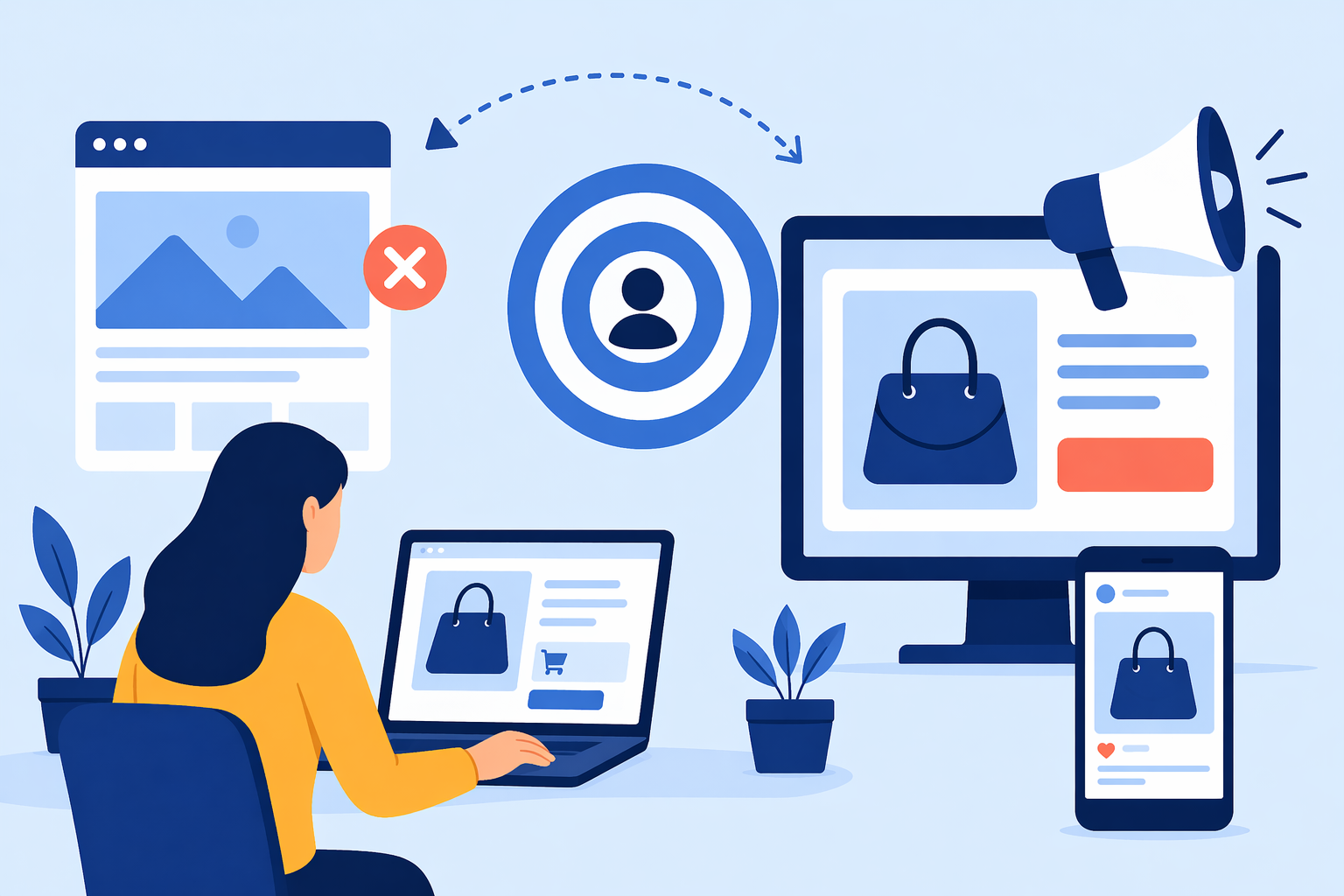
Every business loses potential customers before the sale is complete. Someone visits your website, looks at a product or service, maybe even adds something to the cart, and then leaves without taking the next step. That kind of drop-off is common, but it is also one of the biggest missed revenue opportunities in digital marketing. This is exactly where retargeting ads can make a measurable difference.
Retargeting ads help businesses reconnect with people who already showed interest. Instead of starting from scratch with cold audiences, you are reaching users who have already visited your site, engaged with your offer, or spent time considering your brand. That makes retargeting one of the most effective ways to recover lost sales and improve overall return on ad spend.
For small businesses and growing brands, retargeting is especially valuable because it helps stretch the value of every website visit. If you are already investing in traffic through SEO, content, or paid campaigns, retargeting gives you another chance to turn that attention into revenue. It creates a follow-up system that keeps your brand visible and encourages potential customers to come back when they are ready to buy.
In this article, we will break down how retargeting ads work, why they matter, what makes them effective, and how businesses can use them to recover lost sales without wasting budget.
Why So Many Sales Are Lost in the First Place
Most website visitors do not convert on their first visit. That is not necessarily a sign that your marketing is failing. In many cases, people need more time before making a decision. They may be comparing options, checking prices, reading reviews, or simply getting distracted and leaving the page.
This is especially true in competitive markets where buyers have multiple choices. Even when someone is interested, they may not be ready to act right away. Without a follow-up strategy, that person can easily forget your business and move on to a competitor.
Retargeting helps close that gap. It allows your business to stay in front of people after they leave your site, which gives you another chance to bring them back and finish the conversion journey.
Buyers Often Need More Than One Touchpoint
Very few people move from discovery to purchase in a single step. Most buyers interact with a brand several times before they trust it enough to buy. They might first discover your site through search, come back later through social media, and finally convert after seeing a retargeting ad.
That is why repeat visibility matters. Retargeting ads support the natural buying process by reinforcing your offer at the right time.
Not Every Lost Sale Is Actually Lost
A customer who leaves your site is not always gone for good. Sometimes they simply need a reminder. In other cases, they need a little more reassurance, better timing, or a clearer reason to return.
Retargeting gives you a way to re-engage those users without relying on chance. Instead of hoping they remember your brand later, you are creating a structured path back to your website.
What Retargeting Ads Actually Do
Retargeting ads are designed to reach people who have already interacted with your business online. These ads typically appear after someone visits your website, views a product, lands on a service page, or begins a checkout process but does not complete it.
Once that person leaves, your ads can appear across platforms like Google Display, YouTube, Facebook, Instagram, and other partner networks. The purpose is simple: remind them of what they were already considering and encourage them to come back.
This is different from standard advertising, which is often aimed at completely new audiences. Retargeting focuses on warmer prospects who are already familiar with your brand. Because of that, the traffic tends to be more qualified and more likely to convert.
For businesses trying to make paid advertising more efficient, understanding PPC works for small business is an important starting point because retargeting works best when it is part of a broader paid strategy rather than treated as a stand-alone tactic.
Why Retargeting Works So Well
Retargeting works because it focuses on intent. When someone has already visited your website, they have shown some level of interest. That makes them far more valuable than a cold audience seeing your brand for the first time.
Instead of spending your budget only on attracting new traffic, retargeting helps you maximize the traffic you already paid for. It gives your brand a second chance to convert people who were close to taking action but did not follow through.
This approach often produces stronger results because the audience is warmer, the messaging can be more specific, and the user already recognizes your business. Familiarity matters in digital marketing, and retargeting builds on that familiarity in a direct, practical way.
It Brings People Back at the Right Time
Timing plays a huge role in conversions. A user may leave because they are busy, not because they have lost interest. Seeing your ad later that day or later that week can be the reminder they need to return.
That timing becomes even more powerful when the messaging reflects what they were already looking at. A relevant reminder is often far more effective than a generic promotion shown to a broad audience.
It Supports Brand Recall
Consumers see a huge number of marketing messages every day. Even if your website made a strong impression, it is easy for your brand to be forgotten after a visitor leaves.
Retargeting helps solve that problem by keeping your business visible. When people continue to see your brand after visiting your site, they are more likely to remember you when they are ready to act.
The Role of Retargeting in a Small Business Marketing Strategy
Retargeting is not just for large brands with huge budgets. In fact, it can be even more valuable for small businesses that need to make every click count. When budgets are limited, recovering existing interest is often more efficient than constantly chasing new traffic.
That is one reason retargeting fits naturally into a smart digital strategy. Businesses that understand business growth know that marketing is not only about attracting visitors. It is also about building systems that nurture those visitors until they are ready to buy.
Retargeting helps create that system. It extends the life of your traffic and gives you more opportunities to generate value from the audience you already earned.
It Improves Return on Existing Traffic
If your website already gets visitors from organic search, social media, email, or paid ads, retargeting can help improve the return from that traffic. Rather than letting those users disappear after one visit, you continue the conversation through strategically placed ads.
That makes your marketing more efficient overall. You are not replacing your traffic strategy. You are making it work harder.
It Helps Smaller Brands Stay Competitive
Large brands often win on visibility because they can afford to appear everywhere. Retargeting gives smaller businesses a way to stay present in front of potential customers without needing a massive ad budget.
When used well, it helps level the playing field by increasing repeat exposure and keeping your brand relevant during the decision-making process.
Types of Retargeting Ads That Recover Lost Sales
Not all retargeting campaigns work the same way. The best results usually come from matching the ad type to the stage of the buyer journey.
Website Visitor Retargeting
This is the most common form of retargeting. It targets people who visited your website but did not convert. These users may have viewed your homepage, browsed a category, or visited a service page.
This type of campaign is useful for general brand recall and follow-up awareness. It keeps your business visible and encourages return visits.
Cart Abandonment Retargeting
Cart abandonment campaigns focus on users who added products to a cart or reached part of the checkout process but did not complete the purchase.
These are often some of the highest-intent users in your funnel. A well-timed reminder, limited-time offer, or trust-building message can help recover sales that were very close to happening.
Product or Service Page Retargeting
These campaigns target users based on specific pages they viewed. Someone who visited a particular service page or product category can be shown ads related to that same area of interest.
This makes the message more relevant, which often improves click-through and conversion rates.
Lead Form Retargeting
For service businesses, not every lost sale involves a shopping cart. Sometimes the drop-off happens when a visitor lands on a contact page or begins filling out a quote form but leaves before submitting.
Lead form retargeting helps bring those users back by reinforcing trust, highlighting benefits, or addressing common objections.
What Makes Retargeting Ads More Effective
Retargeting is powerful, but it does not work well on autopilot. The difference between a campaign that performs and one that gets ignored usually comes down to strategy, message quality, and audience segmentation.
Strong Audience Segmentation Matters
Not every visitor should see the same ad. Someone who spent two minutes on a pricing page should be treated differently from someone who bounced after viewing the homepage.
Segmenting audiences based on behavior allows you to create more relevant campaigns. You can separate casual visitors, returning visitors, cart abandoners, and high-intent leads into different groups with different messages.
That level of targeting helps improve relevance and reduces wasted spend.
Messaging Should Match User Intent
The best retargeting ads feel like a natural continuation of the customer journey. If someone viewed a specific service, the ad should relate to that service. If someone abandoned a purchase, the ad should encourage them to complete it.
Generic messaging can still work, but tailored messaging tends to perform better because it reflects what the user was already considering.
Landing Pages Still Matter
A retargeting ad can win the click, but the landing page still has to close the deal. If users return to a slow, confusing, or inconsistent page, the opportunity can be lost again.
That is why retargeting should never be treated as a fix for weak website performance. The ad and the landing page need to work together to create a smooth path back to conversion.
Common Reasons Retargeting Campaigns Underperform
Some businesses assume retargeting will automatically recover lost sales, but there are several reasons campaigns can fall short.
One common issue is targeting too broadly. If everyone who visits the site gets the same ad regardless of behavior, the message becomes weak and generic.
Another issue is showing ads too often. Frequency fatigue can make your brand feel repetitive or intrusive. Retargeting works best when it stays visible without becoming annoying.
Poor creative is another problem. If the ad does not stand out or does not offer a strong reason to return, users will simply ignore it. Weak headlines, vague copy, and generic visuals tend to reduce performance quickly.
Finally, some campaigns fail because the broader PPC strategy is not strong enough. Businesses that want better retargeting results often benefit from reviewing how they structure campaigns, targeting, and account management from the start. That is why choosing the right PPC support can make a real difference in long-term paid performance.
How Retargeting Fits Into the Full Funnel
Retargeting is not only a bottom-of-funnel tactic. It can support different stages of the customer journey depending on the audience and message.
At the top of the funnel, it can reintroduce your brand to people who visited but did not engage deeply. In the middle of the funnel, it can push users back toward consideration by reminding them of the benefits of your offer. At the bottom of the funnel, it can help close the sale by bringing back users who nearly converted.
This makes retargeting one of the most flexible paid advertising tools available. It supports awareness, consideration, and conversion without requiring separate cold-audience campaigns for every step.
Best Practices for Recovering More Lost Sales
Businesses that get the most from retargeting usually follow a few core best practices.
Use Clear Offers and Next Steps
The ad should make it easy for the user to know what to do next. That might be returning to a cart, booking a consultation, requesting a quote, or reviewing a service.
A clear next step reduces friction and improves the chance of conversion.
Keep Creative Fresh
Rotating visuals and copy helps prevent ad fatigue. If users see the same design too many times, performance tends to decline.
Testing different headlines, formats, and calls to action can help you find what resonates best.
Watch Frequency and Timing
Retargeting works best when the campaign is timed to the buying cycle. Some audiences respond within a few days, while others need a longer window.
Monitoring how often ads are shown and how long users stay in the audience can help improve efficiency.
Measure More Than Clicks
Clicks matter, but the real value of retargeting is in conversions, recovered sales, assisted conversions, and return on ad spend.
Looking only at click-through rates can hide the bigger picture. Strong retargeting performance often shows up in how it influences the final conversion path.
Why Retargeting Should Be Part of Your PPC Strategy
Retargeting ads are one of the most practical ways to recover lost sales because they focus on people who already know your business. Instead of letting interested users disappear, you continue the conversation and guide them back toward action.
That makes retargeting a smart addition to almost any PPC strategy. It improves the efficiency of your traffic, supports stronger brand recall, and gives your business another chance to convert users who were already close to buying.
For businesses that want to build a more effective paid search and retargeting strategy, the best next step is to book PPC appointment and create a plan that turns missed opportunities into measurable growth.
Final Thoughts
Retargeting ads help recover lost sales because they reconnect your business with people who were already interested. That is what makes them so effective. They are not trying to force attention from a cold audience. They are reminding potential customers to come back and finish what they started.
When used strategically, retargeting can improve conversions, increase return on ad spend, and make your broader digital marketing efforts more profitable. It works best when paired with strong audience segmentation, relevant creative, and landing pages that support the next step clearly.
For businesses that want to get more value from existing traffic, retargeting is not an extra tactic to consider later. It is an essential part of turning attention into revenue.