

Why Local Businesses Should Consider Building Mobile Apps
December 11, 2025
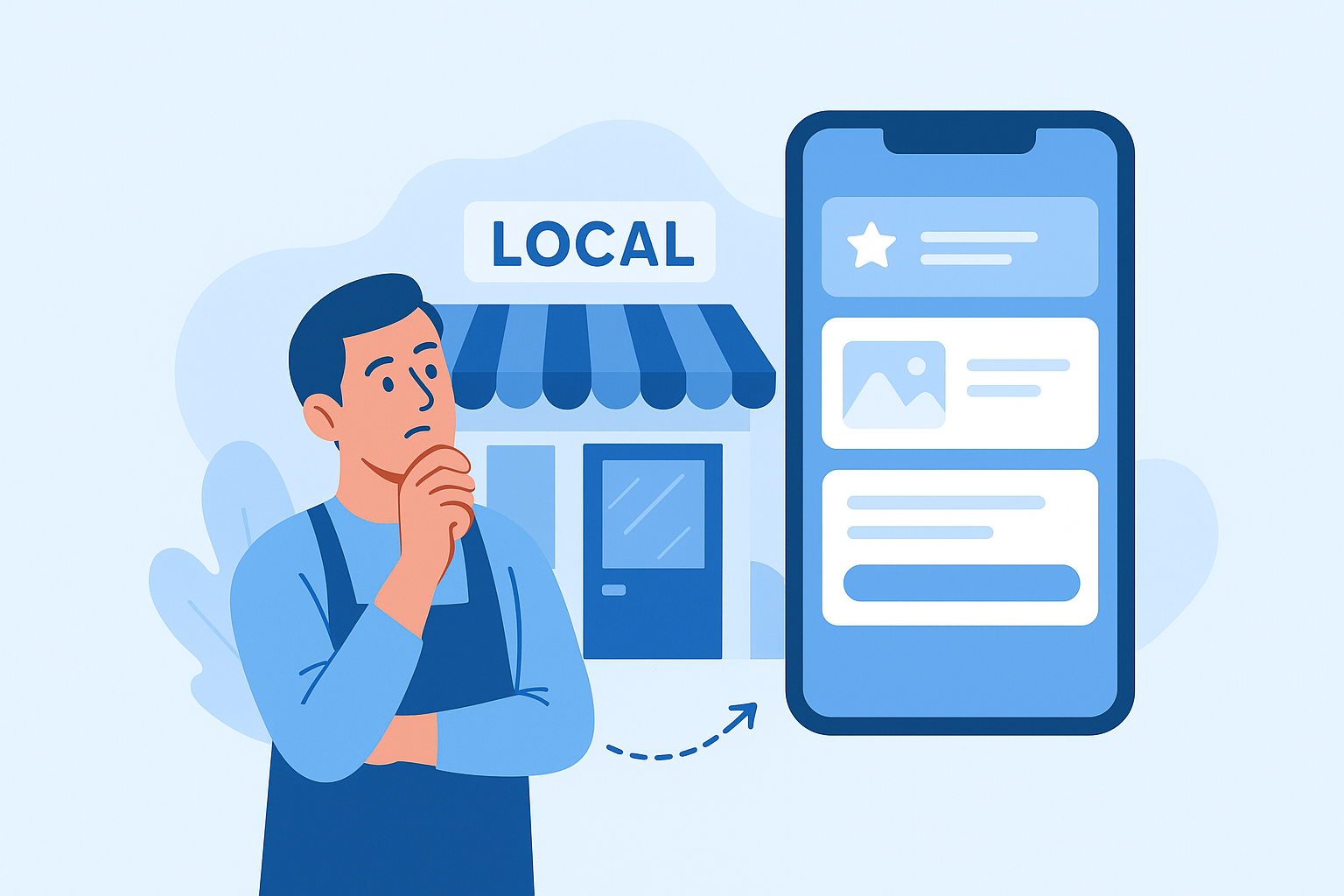
Customers today rely heavily on mobile devices to browse, shop, schedule services, and stay connected with the brands they trust. This mobile-first behavior has reshaped how people interact with businesses of every size, including small and local brands. As expectations evolve, many businesses are beginning to recognize that having a dedicated mobile app can elevate their visibility, improve customer experience, and streamline operations in meaningful ways.
For local business owners, adopting mobile technology is no longer an optional upgrade. It has become a strategic advantage that helps strengthen customer relationships and maintain relevance in a fast-paced, digital environment.
The Rise of Mobile-First Consumer Behavior
People turn to their smartphones throughout the day for quick access to products, services, and local information. Apps play a major role in this behavior because they offer a more seamless experience compared to mobile browsers. An app simplifies interaction, reduces friction, and allows customers to complete tasks in just a few taps.
This shift is a major reason why many businesses are paying closer attention to professional app development, as it consistently delivers stronger, more measurable results.
Mobile Apps Strengthen Customer Loyalty
Loyalty is built on consistent, positive interactions. Mobile apps give businesses the tools to create those interactions more efficiently and more personally.
Instant access encourages regular engagement
An app stays visible on a customer’s home screen, making the business easy to remember. Whenever customers want to browse products, book services, or check updates, they can do so without searching for a website or navigating multiple pages.
Personalized features lead to better experiences
Apps allow businesses to tailor content based on customer activity and preferences. Whether it is product recommendations, appointment reminders, or updates related to previous purchases, these moments feel more personal and less transactional.
Loyalty and rewards become easier to manage
Mobile apps allow customers to track rewards, view available points, and redeem promotions effortlessly. This level of convenience often leads to higher repeat visits and stronger loyalty over time.
Enhancing Local Visibility and Customer Reach
Local businesses depend on strong community presence. A mobile app enhances that presence by keeping the brand close at hand, quite literally. When customers are able to quickly look up service details, view menus, or place an order through an app, they naturally interact with the business more often. This ease of access also makes it more likely that customers will return.
Many business owners, particularly founders of new ventures, have recognized the value of a customized mobile experience. Today, the notion that every startup should have a mobile app has become a standard part of business planning, highlighting how essential a mobile presence is for local visibility and growth.
Streamlining Operations and Improving Efficiency
A mobile app is not only for customer-facing features. It can also simplify processes inside the business.
Centralized communication
Instead of juggling multiple messaging platforms, businesses can direct customer inquiries into one system. This improves response times and keeps communication organized.
Automated booking and scheduling
For salons, clinics, home services, wellness centers, and similar businesses, app-based booking eliminates scheduling confusion. Customers select available time slots, receive reminders, and can reschedule without requiring staff assistance.
Order and inventory accuracy
Retailers and restaurants benefit from app-driven ordering systems. Customers can browse updated inventories or menus, place orders, and get confirmations instantly. This reduces errors, speeds up service, and provides businesses with better operational control.
With features like these, apps become more than customer tools—they become operational assets.
Standing Out Among Larger Competitors
Local businesses often face competition from bigger brands with polished online experiences. Mobile apps offer a way to close that gap.
Bringing convenience to local customers
Apps provide the same ease of use offered by national chains—quick browsing, fast checkout, appointment scheduling, and push notifications—while still preserving the personal touch of a local business.
Strengthening credibility and professionalism
Customers often associate mobile apps with well-established brands. When a local business launches a high-quality app, it signals reliability, innovation, and commitment to customer service.
Maintaining community connection
Local businesses already have an advantage through personal relationships and community presence. Pairing these strengths with mobile accessibility makes the brand even more compelling.
Creating New Revenue Opportunities
Mobile apps not only support operations and loyalty—they also drive additional revenue.
Push notifications that spark action
Real-time updates about deals, new arrivals, limited-time offers, or available appointment slots can motivate customers to take immediate action. These notifications often outperform emails or social posts because they reach users instantly.
In-app promotions
Businesses can offer app-exclusive discounts, bundles, or loyalty bonuses. These incentives encourage customers to keep the app installed and stay engaged.
Faster checkout and reordering
Simplified checkout processes increase conversion rates. When customers can save payment details or reorder past purchases, they tend to return more frequently because the experience is effortless.
These outcomes become more consistent when businesses avoid common pitfalls found in poorly designed apps—issues often stemming from misunderstandings about functionality or user intent. Avoiding these pitfalls is easier when business owners understand how common mistakes can quietly undermine an app’s performance.
Improving the Customer Experience Across All Touchpoints
Customer experience is a major factor in long-term success. Mobile apps help deliver a cohesive, consistent experience across the entire customer journey.
Navigation becomes smoother
Apps simplify the layout of services, products, and options, making it easier for customers to find what they need.
Support becomes more accessible
Integrated help centers, FAQs, chat tools, and service requests make getting assistance quick and straightforward.
Branding stays consistent
An app reflects the business’s identity through colors, language, and layout. This consistency helps reinforce brand recognition.
Insights lead to smart improvements
Apps provide analytics that highlight customer behavior, helping businesses refine the experience to match what users care about most.
Why Now Is the Right Time to Build an App
Mobile usage continues to rise, and local businesses that embrace mobile technology early gain an advantage over competitors who wait. Development is now more affordable, and there are more skilled professionals available than ever before.
Business owners exploring mobile solutions often find the process smoother with guidance from experts familiar with the challenges and opportunities of modern app development. Many begin by learning about hiring app developer options that align with their budget and long-term goals.
With customer expectations shifting so quickly, businesses that begin integrating mobile tools now will be better positioned for the future.
Final Thoughts
For local businesses, building a mobile app is not just a technology upgrade—it is a strategic step toward stronger customer relationships, improved operations, and long-term stability. Apps bring convenience, speed, and personalization to everyday interactions, creating experiences that customers appreciate and return to.
Whether your business serves a neighborhood, a city, or a niche community, a mobile app can help you stay competitive, accessible, and connected in a world where mobile interactions play an increasingly central role.