

Why Apps Keep Customers Coming Back More Than Websites
December 17, 2025
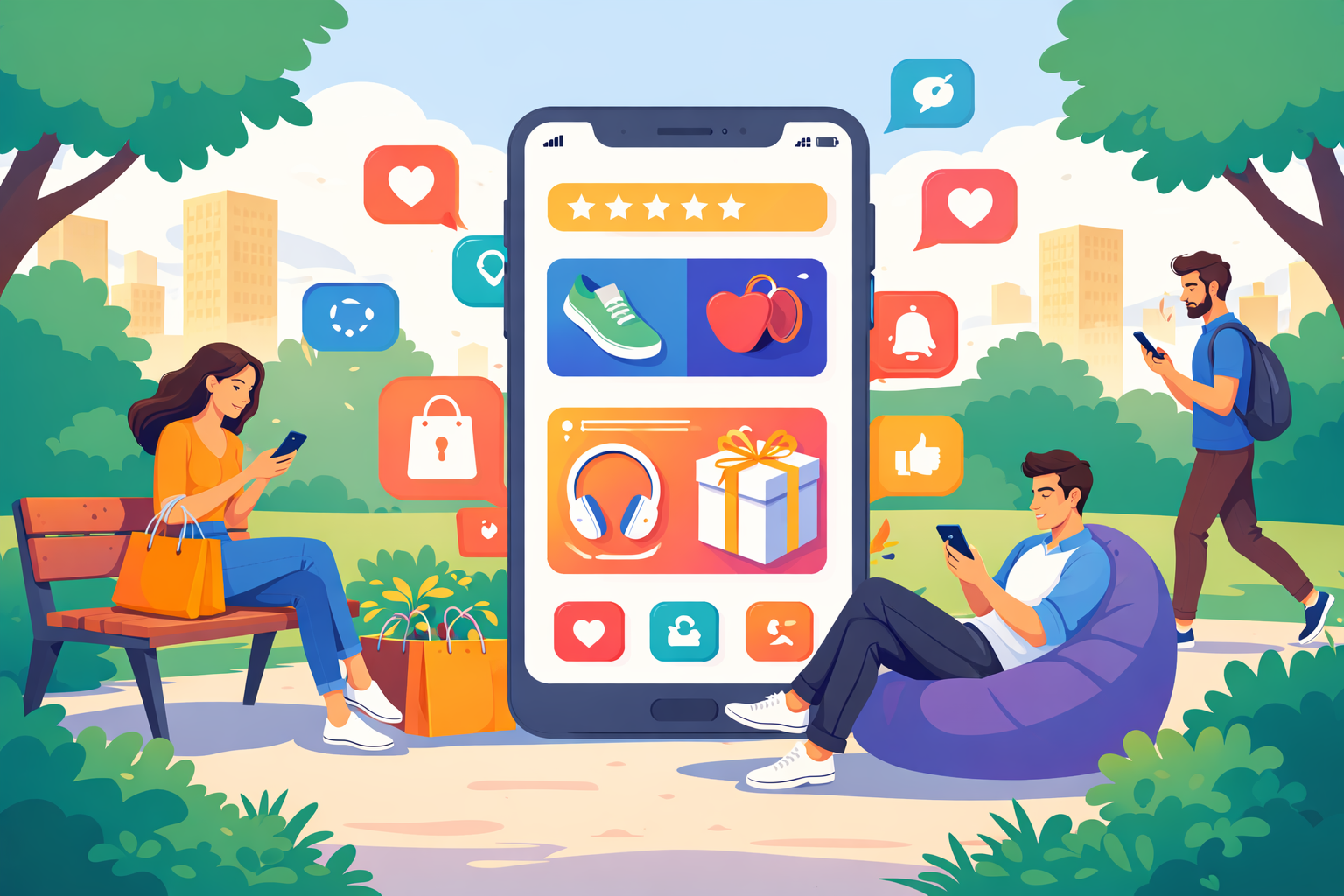
Customer retention is no longer a nice-to-have metric—it is a core growth driver. While websites remain essential for discovery and credibility, mobile apps consistently outperform them when it comes to keeping users engaged, loyal, and returning. Businesses across industries are seeing that customers who install an app tend to interact more often, stay longer, and generate higher lifetime value than those who only visit a website.
This difference is not accidental. Apps are built for habit, personalization, and speed—three factors that directly influence how often customers come back and how connected they feel to a brand. As consumer behavior continues to shift toward mobile-first experiences, understanding why apps outperform websites in retention becomes critical for long-term success.
Below, we’ll explore the structural, psychological, and technical reasons apps increase customer retention more than websites, and why investing in a well-built app can fundamentally change how customers interact with your business.
The Core Difference Between Apps and Websites
At a high level, websites and apps serve different roles in the customer journey. Websites are excellent for discovery, education, and quick access. Apps, on the other hand, are designed for repeated use.
A website lives behind a browser. An app lives on the customer’s device.
That single distinction creates a chain reaction of retention advantages that websites struggle to replicate. Investing in professional development ensures the app experience is smooth, reliable, and built with long-term retention in mind.
Apps Create Stronger Habit Loops
One of the most powerful drivers of retention is habit formation. Apps excel at building daily or weekly routines because they remove friction between intent and action.
Once installed, an app is only one tap away. There is no need to open a browser, type a URL, or search again. That convenience may seem minor, but over time it compounds into habitual behavior.
Apps also integrate seamlessly into a user’s daily device usage. Notifications, widgets, biometric logins, and offline access all reinforce repeated interaction. Websites, even mobile-optimized ones, rarely achieve the same level of behavioral embedding. This is why startups need mobile apps early in their journey to build strong customer habits.
Push Notifications Keep Your Brand Top of Mind
Push notifications are one of the most retention-driving features available in mobile apps. They allow brands to communicate directly with users in real time, without relying on algorithms or inbox placement.
Well-timed notifications can:
- Re-engage inactive users
- Highlight new features or offers
- Remind users to complete actions
- Reinforce brand presence daily
Websites rely heavily on email or paid retargeting to re-engage visitors, both of which face declining open rates and increasing competition. Push notifications cut through that noise and deliver messages directly to the lock screen.
When used responsibly, they create a steady feedback loop that brings users back consistently.
Apps Deliver a Faster, More Seamless Experience
Speed is retention. Every second of delay increases abandonment, and apps are inherently faster than websites.
Apps store data locally, reduce server calls, and are optimized for the device’s operating system. Navigation is smoother, animations are more fluid, and interactions feel natural. These micro-experiences matter more than most businesses realize.
Websites, even highly optimized ones, still depend on browser performance, network conditions, and multiple layers of rendering. Apps bypass much of that friction, resulting in experiences that feel instant and intuitive.
Customers tend to return to platforms that feel effortless.
Personalization Is Deeper and More Accurate in Apps
Apps have access to richer data signals than websites. With user consent, apps can leverage behavior patterns, preferences, location data, and usage history to deliver deeply personalized experiences.
This allows businesses to:
- Customize content feeds
- Tailor product recommendations
- Adapt interfaces based on behavior
- Serve contextual offers at the right moment
Websites can personalize to a degree, but they are often limited by cookies, browser restrictions, and session-based data. Apps operate within a more controlled environment, making personalization more precise and consistent.
Personalization increases relevance, and relevance drives retention. Avoiding common mistakes ensures that the app truly enhances the customer experience rather than frustrating it.
Apps Build a Sense of Ownership and Commitment
When a customer installs an app, they are making a conscious commitment. That action creates a subtle psychological shift from casual visitor to invested user.
An app icon on a home screen acts as a constant visual reminder of your brand. Over time, this familiarity builds trust and emotional connection. Users begin to associate the app with reliability, convenience, and value.
Websites rarely achieve this level of perceived ownership. They are visited, not adopted.
This sense of commitment is one of the most underrated reasons apps outperform websites in long-term retention.
Offline Access Removes Usage Barriers
Another major advantage of apps is offline functionality. Even limited offline access allows users to view content, browse data, or continue tasks without a live internet connection.
This is especially valuable in regions with inconsistent connectivity or for users on the move. When customers can rely on your app regardless of network conditions, they are more likely to integrate it into their daily routines.
Websites, by design, depend heavily on constant connectivity. Any interruption becomes a usage barrier.
Security and Trust Are Stronger in Apps
Trust plays a critical role in retention, particularly for apps handling sensitive data, payments, or personal information.
Apps benefit from:
- Platform-level security features
- Encrypted storage
- Secure authentication methods like biometrics
- App store vetting processes
These factors create a perception of safety that encourages repeated use. Customers are more willing to store information and perform transactions within an app than on a mobile website.
This trust advantage is often the result of hiring developers with experience in creating secure, reliable applications that prioritize long-term usage.
Apps Support Deeper Engagement Features
Apps are not limited to static content delivery. They support advanced features that naturally increase engagement, such as:
- Loyalty programs
- Gamification elements
- In-app messaging
- Personalized dashboards
- Real-time updates
These features encourage exploration and repeated interaction. They also allow businesses to evolve the experience over time without forcing users to re-learn the platform.
Websites can support some of these features, but they often feel bolted on rather than integrated.
Retention Is Built Into App Strategy From Day One
Apps are typically designed with retention in mind. From onboarding flows to feature releases, every element is structured to keep users engaged long-term.
When retention is part of the core strategy, every design and development decision supports long-term usage rather than short-term traffic.
Apps and Websites Work Best Together
While apps outperform websites in retention, the two are not competitors. They serve complementary roles in the customer journey.
Websites attract, inform, and convert first-time visitors. Apps deepen relationships, encourage loyalty, and drive repeat engagement.
The most successful businesses use websites to funnel users into apps, where retention strategies can take full effect.
Why Retention-Focused Apps Are a Competitive Advantage
Customer acquisition costs continue to rise across digital channels. Retention, therefore, has become one of the most efficient growth levers available.
Apps give businesses:
- Direct access to customers
- Control over engagement channels
- Higher lifetime value per user
- Stronger brand loyalty
These advantages compound over time, making apps not just a feature but a strategic asset.
Final Thoughts
Apps increase customer retention more than websites because they are built for repeat engagement, personalization, speed, and habit formation. They live closer to the user, communicate more directly, and offer experiences that feel effortless and familiar.
For businesses focused on sustainable growth, retention is where real value is created. An app designed with intention and executed with expertise can transform casual users into long-term customers—and that is something no website alone can consistently achieve.