

Make B2B Mobile App Payments Secure and Seamless
June 26, 2026
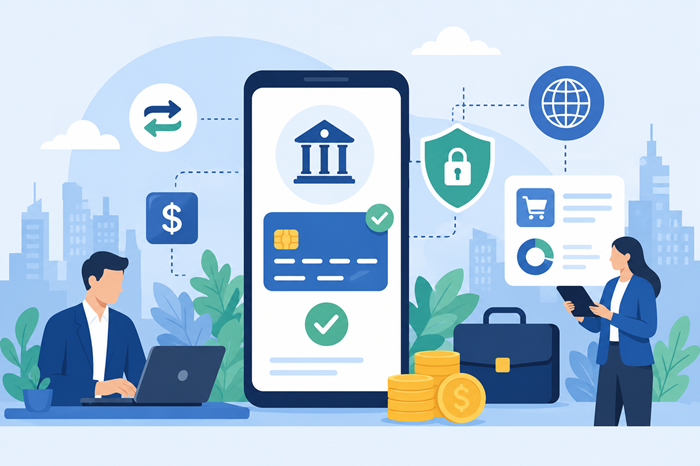
Businesses today expect more than fast transactions. They need payment systems that are secure, scalable, and convenient for customers, partners, and employees alike. That is why B2B mobile app payment gateway integration has become one of the most valuable investments for companies looking to streamline operations and improve customer satisfaction.
Whether you’re building a marketplace, enterprise platform, or service-based application, choosing the right payment gateway can directly impact user trust, revenue, and long-term business growth. From simplifying invoice payments to enabling recurring subscriptions, a well-integrated payment system helps businesses operate more efficiently while reducing payment friction.
If you’re planning to build a secure business application, partnering with experienced mobile app development services ensures your payment infrastructure is designed for performance, compliance, and future scalability.
Why Payment Gateway Integration Matters in B2B Apps
Unlike consumer applications, business-focused apps often involve higher transaction values, multiple approval workflows, recurring billing, and complex financial reporting. A payment gateway acts as the bridge between customers, businesses, and financial institutions while ensuring every transaction remains encrypted and secure.
Modern businesses also expect real-time payment confirmations, automated reconciliation, and multiple payment options. Integrating these capabilities into your application improves operational efficiency and creates a better experience for every stakeholder.
A reliable payment gateway reduces manual work while increasing transaction accuracy, making it an essential feature rather than an optional one.
Understanding B2B Mobile App Payment Gateway Integration
Payment gateway integration connects your mobile application with secure payment processing services. Instead of handling sensitive payment information directly, the gateway encrypts transaction data and communicates securely with banks and payment processors.
A typical payment flow includes:
User Initiates Payment
The customer selects products or services and proceeds to checkout.
Payment Data Is Encrypted
Sensitive financial information is securely encrypted before transmission.
Verification Takes Place
The payment gateway communicates with issuing and acquiring banks to authorize the transaction.
Transaction Confirmation
Once approved, the customer receives confirmation while your application updates order status automatically.
This entire process happens within seconds while maintaining strict security standards.
Features Every B2B Payment Gateway Should Include
Not every payment solution is designed for business applications. Enterprise users often require additional capabilities beyond standard online payments.
Multiple Payment Methods
Support for credit cards, debit cards, bank transfers, digital wallets, and corporate payment methods gives businesses greater flexibility.
Advanced Security
Encryption, tokenization, fraud detection, and PCI DSS compliance help protect sensitive customer information.
Automated Invoicing
Businesses frequently work with invoices instead of immediate checkout. Automated invoice generation and payment tracking simplify financial management.
Subscription and Recurring Billing
Many B2B companies operate using subscription models. Built-in recurring payment functionality minimizes administrative effort.
Multi-Currency Support
Global businesses need payment systems capable of processing international transactions efficiently.
Detailed Reporting
Comprehensive payment analytics help finance teams monitor revenue, reconcile accounts, and identify trends.
Benefits of Integrating Payment Gateways Into Business Apps
Businesses often focus on customer experience, but payment optimization delivers benefits across the organization.
Faster Transactions
Automated payment processing significantly reduces delays compared to manual bank transfers.
Improved Customer Trust
Secure payment experiences increase confidence and encourage repeat business.
Reduced Administrative Work
Automation minimizes human errors while reducing the workload for finance departments.
Better Cash Flow
Quick payment settlements improve working capital and business liquidity.
Scalable Infrastructure
As transaction volume grows, integrated payment systems can scale without major architectural changes.
Many companies hesitate to invest in digital payment capabilities because they focus only on the upfront development expense. However, delaying modernization often leads to inefficient processes, lower customer satisfaction, and missed revenue opportunities. Understanding why a mobile app for business is a long-term investment rather than an expense can help decision-makers recognize the true cost of postponing digital transformation.
Choosing the Right Payment Gateway
Every business has different operational requirements. Selecting the right provider involves evaluating multiple technical and business factors.
Security Standards
Always prioritize providers with strong encryption, fraud prevention, and compliance certifications.
Transaction Fees
Compare setup costs, monthly charges, and per-transaction pricing before making a decision.
API Quality
Well-documented APIs simplify development and future maintenance.
Geographic Availability
Ensure your preferred provider supports your target countries and currencies.
Customer Support
Responsive technical support becomes extremely valuable during payment-related incidents.
Common Payment Gateway Integration Challenges
Even experienced development teams encounter challenges while implementing payment systems.
Regulatory Compliance
Different countries have unique financial regulations that must be followed carefully.
Fraud Prevention
Balancing security with user convenience requires careful implementation.
Payment Failures
Network interruptions, expired cards, or banking issues can lead to failed transactions that require proper handling.
User Experience
Complicated checkout processes often result in abandoned payments.
Understanding the common reasons of app development failures can help businesses avoid costly mistakes before launching their payment-enabled application.
Best Practices for Payment Gateway Integration
Successful payment integration involves more than simply connecting APIs.
Keep Checkout Simple
Reduce unnecessary steps during payment to improve conversion rates.
Store Sensitive Data Securely
Avoid storing payment information unless absolutely necessary.
Offer Multiple Payment Options
Businesses appreciate flexibility based on their preferred payment methods.
Test Every Payment Scenario
Successful transactions, declined payments, refunds, cancellations, and network failures should all be thoroughly tested.
Monitor Payment Performance
Track transaction success rates and identify potential bottlenecks continuously.
Offline Payment Capabilities Can Improve Business Operations
Many enterprise users work in locations where internet connectivity is unreliable. Field teams, delivery personnel, and remote sales representatives often need access to payment-related information even when offline.
Learning how offline functionality improves mobile app user experience can help businesses design applications that continue operating smoothly until connectivity returns.
Cost Considerations for Payment-Enabled Business Apps
Several factors influence the overall development investment.
Application Complexity
Basic payment integration costs considerably less than enterprise-level financial workflows.
Security Requirements
Advanced fraud protection and compliance measures increase development effort.
Third-Party Integrations
Connecting accounting software, CRM systems, or ERP platforms adds complexity.
Platform Choice
Developing separately for Android and iOS typically costs more than building a shared solution. Understanding the typical cross-platform app development cost helps businesses estimate budgets more accurately before starting development.
Future Trends in B2B Payment Apps
Digital payments continue evolving rapidly, bringing new opportunities for businesses.
AI-Powered Fraud Detection
Artificial intelligence can identify suspicious payment patterns before fraudulent transactions occur.
Embedded Finance
Businesses increasingly integrate lending, financing, and insurance directly into applications.
Real-Time Payments
Instant settlement systems continue gaining popularity across global markets.
Biometric Authentication
Fingerprint and facial recognition provide stronger security while improving user convenience.
Blockchain-Based Transactions
Certain industries are exploring blockchain technology for transparent and faster financial settlements.
Technologies Supporting Modern Payment Systems
Today’s enterprise payment platforms rely on advanced software architecture to deliver reliability, scalability, and security.
A modern b2b mobile app development strategy often includes cloud infrastructure, encrypted APIs, microservices, and automated monitoring tools. Combined with thoughtful mobile app design, these technologies help businesses create payment experiences that are both efficient and user-friendly.
Businesses also frequently evaluate leading providers such as stripe payments and adyen payments depending on their geographic reach, pricing structure, and feature requirements. The right solution ultimately depends on business goals rather than popularity alone.
Some organizations even develop a dedicated payment gateway app for internal financial workflows, while others integrate payment capabilities into an existing b2b mobile app to centralize operations.
Conclusion
A secure and efficient payment gateway is no longer a luxury for business applications—it is a competitive necessity. From improving transaction security and customer confidence to automating financial operations and supporting global growth, payment integration delivers measurable business value.
The key to long-term success lies in choosing the right technology, implementing strong security practices, and designing a payment experience that remains simple for users while meeting enterprise requirements. By planning carefully and investing in scalable architecture, businesses can build payment-enabled applications that continue delivering value as they grow.
Frequently Asked Questions
1. What is a B2B mobile app payment gateway?
A secure system that processes business payments within a mobile application.
2. Why is payment gateway security important?
It protects sensitive financial information and prevents fraudulent transactions.
3. Can a business app support recurring payments?
Yes, most modern payment gateways support subscription and recurring billing.
4. How long does payment gateway integration take?
The timeline depends on app complexity, compliance needs, and required features.
5. Can businesses accept international payments?
Yes, many payment gateways support multiple currencies and global transactions.