

Cross-Platform App Development Cost Explained
June 17, 2026
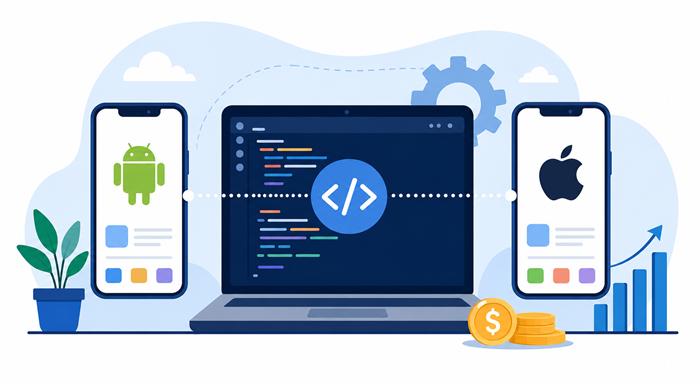
Building an app that works seamlessly across multiple platforms has become one of the smartest investments businesses can make today. Whether you’re launching a startup product, digitizing customer experiences, or expanding your online presence, understanding the mobile app development cost is essential before starting the project.
Many companies choose cross-platform solutions because they offer faster development timelines, wider audience reach, and lower maintenance requirements compared to building separate applications for different operating systems. However, pricing can vary significantly depending on features, complexity, integrations, and development approach.
In this guide, we’ll break down everything you need to know about cross-platform app development pricing, the factors that influence budgets, and how to plan your investment effectively.
What Is Cross-Platform App Development?
Cross-platform app development is the process of creating a single application that runs on multiple operating systems, typically Android and iOS, using one shared codebase.
Instead of building two separate apps, developers write most of the code once and deploy it across different devices. Popular frameworks such as React Native and Flutter have made this approach increasingly popular among startups and established businesses alike.
The primary advantage is efficiency. Businesses can launch faster, reduce development effort, and simplify long-term maintenance without sacrificing user experience.
Why Businesses Choose Cross-Platform Development
Cross-platform development offers several strategic advantages that make it appealing for companies of all sizes.
Faster Time to Market
When developers work from a unified codebase, the overall project timeline is significantly reduced. This allows businesses to launch products faster and respond quickly to market opportunities.
Reduced Development Expenses
Building one application instead of separate Android and iOS versions typically lowers initial development investment and future maintenance costs.
Easier Updates and Maintenance
Feature updates, bug fixes, and security improvements can often be implemented simultaneously across platforms, making long-term management more efficient.
Broader Audience Reach
Launching on both major platforms from day one helps businesses maximize user acquisition and market penetration.
Average Cost of Cross-Platform App Development
The total budget depends heavily on the scope and functionality of the application. While every project is unique, businesses can generally expect the following ranges:
Basic applications may include simple user authentication, profile management, and content display.
Moderately complex applications often include payment processing, third-party integrations, real-time messaging, and customized interfaces.
Enterprise-grade applications usually require advanced architecture, extensive integrations, security compliance, analytics systems, and scalable infrastructure.
Key Factors That Influence Development Costs
No two applications are priced exactly the same. Several variables directly impact the final budget.
Feature Complexity
The number and sophistication of features play a major role in determining project costs.
Functions such as user registration, push notifications, payment gateways, chat systems, geolocation tracking, and cloud synchronization require varying levels of development effort.
More advanced capabilities naturally increase timelines and resource requirements.
UI/UX Design Requirements
Custom designs often require substantial planning, prototyping, testing, and refinement.
While template-based interfaces can reduce expenses, businesses aiming for strong brand differentiation usually invest in custom user experiences that improve engagement and retention.
Backend Infrastructure
Applications often require servers, databases, APIs, and cloud services to function effectively.
The complexity of the backend directly affects development time and future scalability.
Third-Party Integrations
Many applications connect with payment providers, CRM platforms, analytics tools, social networks, or other external services.
Each integration introduces additional development and testing requirements.
Security Requirements
Applications handling personal information, financial transactions, or sensitive business data typically require stronger security measures and compliance standards.
These safeguards add development effort but are essential for protecting users and maintaining trust.
How Platform Choice Affects Your Budget
Although cross-platform frameworks reduce duplication of work, platform-specific requirements still influence overall pricing.
Businesses often compare development approaches when evaluating the overall ios app development cost versus Android-focused or cross-platform solutions.
Cross-platform frameworks typically offer a balanced approach by reducing redundant development work while maintaining strong performance across devices.
However, certain features may still require platform-specific customization, especially when accessing native hardware capabilities.
The Impact of AI Features on Development Costs
Artificial intelligence has become increasingly common in modern applications.
Businesses are incorporating AI-powered chatbots, recommendation engines, predictive analytics, image recognition, and automation tools to improve user experiences.
Adding intelligent functionality can significantly influence the overall ai app development cost because it often requires specialized development, machine learning models, cloud processing, and additional testing.
The complexity of the AI implementation ultimately determines how much additional investment is required.
Cross-Platform vs Native Development
Many organizations struggle to decide between cross-platform and native development approaches.
Cross-Platform Advantages
- Lower initial investment
- Faster development timeline
- Shared codebase
- Simplified maintenance
- Wider launch coverage
Native Development Advantages
- Maximum performance
- Better platform-specific optimization
- Full access to device capabilities
- Enhanced user experience in specialized applications
For most startups and growing businesses, cross-platform development offers an excellent balance between cost efficiency and functionality.
Realted Article: Choosing Between Native and Cross-Platform Apps Made Simple
Choosing the Right Development Partner
Selecting the right development team can have a major impact on both quality and budget.
When evaluating providers, look for:
- Relevant industry experience
- Proven project portfolio
- Strong communication processes
- Transparent pricing models
- Long-term support capabilities
Businesses exploring professional mobile app development services should focus on partners who can align technical execution with business objectives.
A reliable development partner helps prevent costly mistakes and ensures projects stay on schedule.
Understanding Hidden Development Expenses
Many companies focus only on initial development costs while overlooking ongoing expenses.
Maintenance and Updates
Applications require continuous updates to remain compatible with operating system changes and security standards.
Hosting and Infrastructure
Cloud hosting, databases, storage, and monitoring services generate recurring operational costs.
Security Monitoring
Cybersecurity threats continue evolving, making ongoing protection essential.
Customer Support
As user adoption grows, support resources become increasingly important for maintaining satisfaction and retention.
Accounting for these expenses creates a more realistic long-term budget.
Cost Planning Tips for Businesses
Proper planning helps maximize return on investment while minimizing unnecessary expenses.
Start With an MVP
Launching a Minimum Viable Product allows businesses to validate ideas before investing heavily in advanced features.
Prioritize Core Functionality
Focus first on solving the primary user problem. Additional features can be introduced after gathering real-world feedback.
Define Clear Requirements
Well-defined requirements reduce scope changes, prevent delays, and improve budget accuracy.
Choose the Right Development Model
Evaluating in-house vs outsourced app development can help businesses identify the most cost-effective approach based on internal resources and project goals.
A thoughtful decision at this stage can significantly influence project outcomes.
Why Having an App Matters for Business Growth
Consumer behavior continues shifting toward mobile-first experiences.
Customers increasingly expect businesses to provide convenient digital access, personalized interactions, and seamless transactions through mobile applications.
Organizations evaluating whether they truly need a mobile app for business often discover that mobile engagement has become a critical competitive advantage rather than an optional investment.
The right application can strengthen customer relationships, improve operational efficiency, and create new revenue opportunities.
Estimating Your Project Budget More Accurately
Every application has unique requirements, making precise estimates difficult without detailed planning.
Before requesting proposals, businesses should define:
- Project goals
- Target audience
- Core features
- Design expectations
- Integration requirements
- Scalability needs
Understanding the primary factors that affect cost of app development helps stakeholders make informed decisions and avoid unexpected expenses during development.
The more detailed the project requirements, the more accurate the budget estimate will be.
Conclusion
Cross-platform app development offers businesses an efficient way to launch applications across multiple platforms without the expense of maintaining separate codebases. While costs vary depending on complexity, design requirements, integrations, and long-term goals, the approach remains one of the most practical options for companies seeking broad market reach and faster deployment.
Success ultimately depends on careful planning, realistic budgeting, and selecting the right development partner. By understanding the variables that influence pricing, businesses can confidently invest in a solution that supports both immediate objectives and future growth.
FAQs
1. How much does a cross-platform app typically cost?
Most projects range from approximately $10,000 to over $200,000 depending on complexity.
2. Is cross-platform development cheaper than native development?
Yes, because a shared codebase reduces development and maintenance effort.
3. How long does it take to build a cross-platform app?
Most applications take between 3 and 9 months depending on scope.
4. Can cross-platform apps deliver native-like performance?
Yes, modern frameworks can provide excellent performance for most business applications.
5. What is the biggest factor affecting project pricing?
Feature complexity is usually the largest contributor to overall costs.