

Home Inspection Costs: What You’ll Pay and Why
April 8, 2026
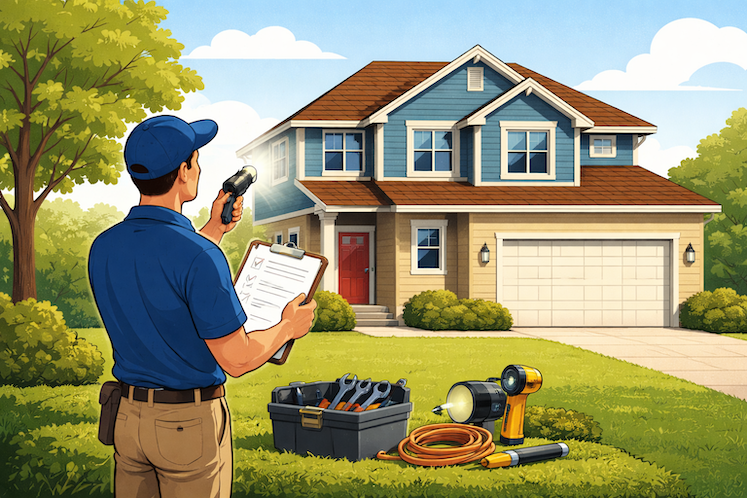
If you’re buying or selling a home, one of the first practical questions that comes up is: how much does a home inspection cost? It’s a fair concern—especially when you’re already juggling closing costs, repairs, and moving expenses.
The good news is that home inspections are relatively affordable compared to the value they provide. A proper inspection can save you thousands of dollars by uncovering hidden issues early. In this guide, we’ll break down real home inspection costs, what affects pricing, and how to keep things budget-friendly without cutting corners.
What Is a Home Inspection and Why It Matters
A home inspection is a detailed evaluation of a property’s condition, typically performed before a sale is finalized. It covers major systems like:
- Roofing
- Electrical
- Plumbing
- HVAC (heating and cooling)
- Structural components
Think of it as a full diagnostic check. It helps buyers avoid costly surprises and gives sellers a chance to fix issues ahead of listing.
Skipping this step might save a few hundred dollars upfront—but it can lead to much larger expenses later.
Average Home Inspection Cost in 2026
Typical Price Range
Most home inspections fall between:
- $300 to $500 for standard single-family homes
- $500 to $800+ for larger or more complex properties
Smaller homes or condos may cost less, while older or larger homes typically cost more due to the time and detail required.
Cost Per Square Foot
Some inspectors base pricing on size:
- Around $0.10 to $0.25 per square foot
This means a 2,000 sq ft home could cost between $200 and $500, depending on additional factors.
Key Factors That Affect Inspection Costs
Property Size and Layout
Larger homes naturally take more time to inspect. Multi-story properties or homes with complex layouts can also increase the price.
Age of the Home
Older homes tend to require more detailed inspections because of outdated systems, wear and tear, and potential code violations.
Location
Inspection costs can vary depending on your market. Urban areas or high-demand regions often have slightly higher rates.
Additional Services
Many inspections come with optional add-ons, such as:
- Termite inspection
- Mold testing
- Radon testing
- Sewer line inspection
These can add anywhere from $50 to $300+ per service.
What’s Included in a Standard Inspection
A typical home inspection includes:
- Roof condition and drainage
- Electrical panels and wiring
- Plumbing systems and water pressure
- HVAC systems
- Walls, ceilings, and floors
- Windows and doors
- Foundation and structure
Inspectors also provide a detailed report with photos and recommendations.
Hidden Costs to Watch Out For
While the base inspection fee is straightforward, there are a few potential extras to keep in mind:
Specialized Inspections
If issues are found, you may need additional experts (e.g., structural engineers or pest specialists).
Repair Estimates
After the inspection, contractors may charge for detailed repair quotes.
Re-Inspection Fees
If repairs are made, some inspectors charge a fee to revisit and verify the fixes.
How to Save Money on a Home Inspection
Compare Multiple Inspectors
Don’t settle for the first quote. Comparing 2–3 inspectors helps you understand fair pricing and avoid overpaying.
Bundle Services
Some inspectors offer discounted packages if you combine services like mold and termite inspections.
Avoid Choosing the Cheapest Option
Low-cost inspections can miss critical issues. Focus on value—not just price.
Ask What’s Included
Make sure you’re getting a full inspection with a detailed report. Hidden limitations can cost you more later.
DIY vs Professional Inspection: What’s the Difference?
DIY Pre-Check
You can do a basic walkthrough to spot obvious issues like:
- Water stains
- Cracks in walls
- Faulty outlets
This helps you prepare—but it’s not a replacement for a professional inspection.
Professional Inspection
Licensed inspectors have the tools and experience to identify deeper issues that aren’t visible to the untrained eye.
In short: DIY helps you prepare, but professionals protect your investment.
Why a Thorough Inspection Is Worth It
A quality inspection can:
- Reveal hidden structural problems
- Help you negotiate a better purchase price
- Prevent unexpected repair costs
- Give you confidence in your investment
For sellers, it can also speed up the sale process by addressing issues early.
For ongoing protection after your purchase, many homeowners explore reliable home protection plans to help manage unexpected repair costs.
Negotiating Repairs After an Inspection
Once the inspection report is complete, buyers typically have three options:
- Request repairs from the seller
- Ask for a price reduction
- Accept the home as-is
The key is understanding which issues are critical and which are cosmetic. Use the report as leverage—but keep negotiations reasonable to avoid losing the deal.
Finding a Reliable and Affordable Inspector
What to Look For
- Licensed and certified inspector
- Strong reviews and testimonials
- Clear, detailed reporting style
- Transparent pricing
Where to Search
- Local real estate agents
- Online directories
- Referrals from recent buyers
Taking time to choose the right inspector ensures you get accurate, actionable insights.
How to Avoid Overpaying
To get the best value:
- Request detailed quotes upfront
- Confirm what’s included
- Avoid unnecessary add-ons unless needed
- Prioritize experience over price
A slightly higher upfront cost can prevent major financial setbacks later.
Pre-Inspection Checklist for Homeowners
Before the inspector arrives, you can take a few simple steps:
- Clear access to electrical panels and HVAC systems
- Ensure utilities are turned on
- Replace burnt-out light bulbs
- Check for visible leaks
This helps the inspection go smoothly and avoids delays.
What Happens After the Inspection
Once you receive the report:
- Review all findings carefully
- Prioritize major issues
- Get repair estimates if needed
- Negotiate with the seller
- Decide whether to move forward
For broader maintenance considerations, understanding home maintenance coverage options can help you plan beyond the initial purchase.
Long-Term Value of a Home Inspection
A home inspection isn’t just a transaction step—it’s a long-term investment in your property.
It helps you:
- Plan future maintenance
- Budget for upgrades
- Understand your home’s condition
- Avoid costly surprises
Even after moving in, homeowners often consider comprehensive home security solutions to further protect their investment and ensure peace of mind.
Final Thoughts
So, how much does a home inspection cost? In most cases, a few hundred dollars. But the value it delivers far exceeds the price.
A thorough inspection gives you clarity, negotiating power, and confidence—whether you’re buying your first home or selling a long-time property.
Approach the process with the right expectations, choose a qualified inspector, and focus on value over shortcuts. It’s one of the smartest financial decisions you’ll make in the home buying journey.