

Do Solar Panels Need Direct Sunlight to Work?
May 12, 2026
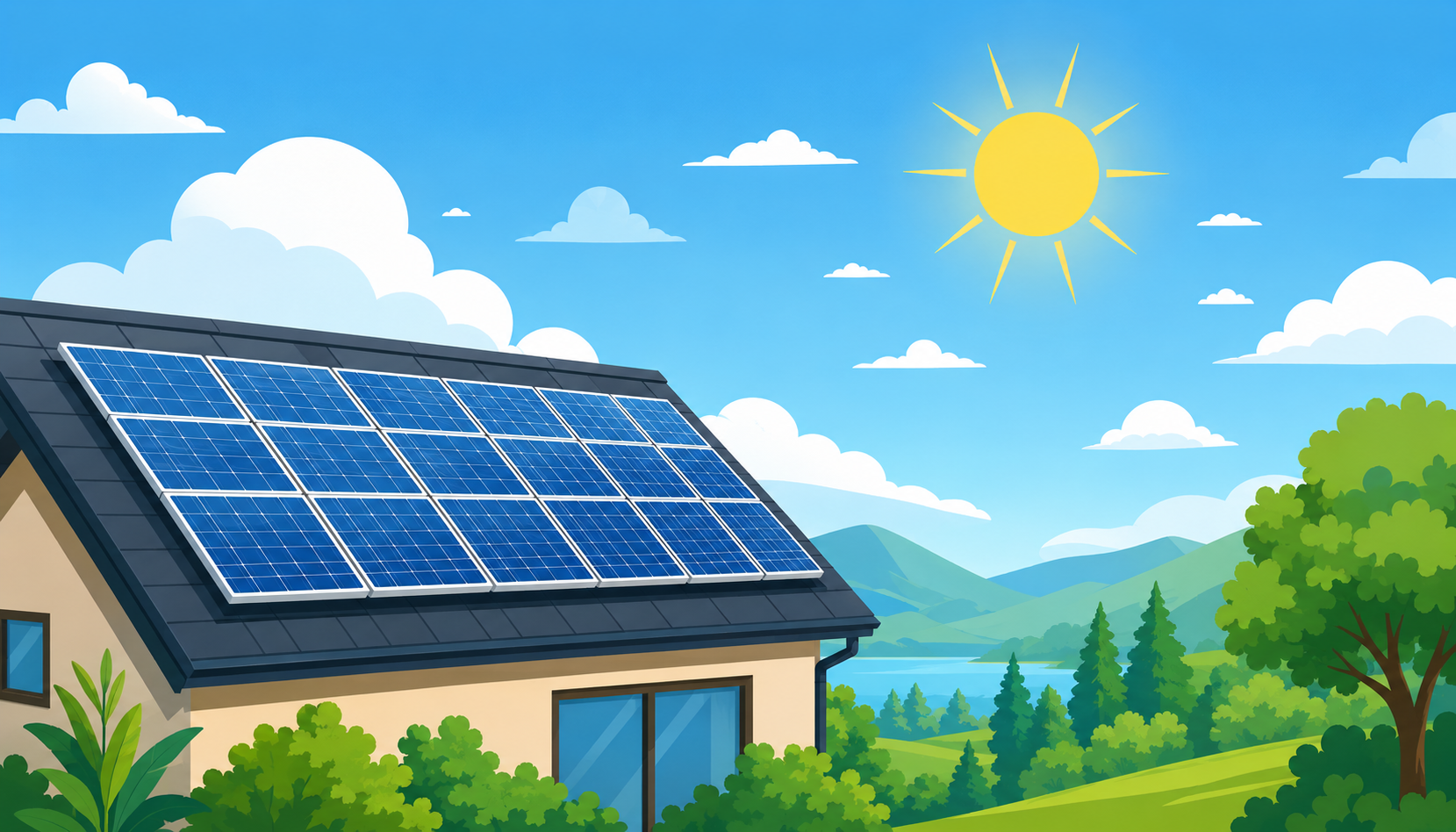
Solar energy has become one of the most practical ways to reduce electricity costs and lower dependence on traditional power sources. Still, many homeowners hesitate to invest in solar because they assume panels only work in constant, bright sunshine.
That concern is understandable. Not every home is located in a hot, cloudless climate, and some properties deal with shade from trees, nearby buildings, or seasonal weather changes. The good news is that solar panels do not need uninterrupted direct sunlight to generate electricity.
Modern solar technology is designed to produce power in a variety of weather conditions, including cloudy skies and partial shade. While direct sunlight improves performance and energy output, solar panels can still generate usable electricity through indirect sunlight.
Understanding how solar panels work — and how environmental conditions affect them — can help you make a smarter decision before investing in a solar energy system.
How Solar Panels Generate Electricity
To understand whether direct sunlight is necessary, it helps to know how solar panels actually produce electricity.
Solar panels are built using photovoltaic (PV) cells. These cells absorb light particles called photons and convert them into electrical energy through a chemical process.
Most residential solar panels are made from layers of silicon semiconductor material. Each layer plays a role in capturing sunlight and creating an electric charge.
The Main Components Inside a Solar Panel
Solar panels may appear simple from the outside, but several layers work together to produce energy efficiently.
Glass Cover Layer
The outer glass layer protects the solar cells from weather, debris, and environmental damage while still allowing sunlight to pass through.
Because the glass is transparent, sunlight can reach the photovoltaic cells beneath it without obstruction.
Anti-Reflective Coating
Below the glass is a thin anti-reflective layer designed to reduce sunlight loss.
Instead of allowing light to bounce away from the panel surface, this coating helps trap more solar energy for conversion into electricity.
Silicon Semiconductor Layers
The heart of the solar panel is made from two layers of silicon.
One layer contains phosphorus, creating a negative charge, while the other contains boron, creating a positive charge. When sunlight hits these layers, electrons begin moving between them, generating an electric current.
Metal Conductors
Thin metal conductors collect and transfer the generated electricity.
The front conductors are arranged in a grid pattern so sunlight can still reach the silicon cells underneath while efficiently capturing electrical current.
When multiple solar panels are connected together, they form a solar array capable of powering homes, appliances, batteries, and even complete off-grid electricity systems.
Why More Homeowners Are Switching to Solar Energy
Solar energy offers more than environmental benefits. For many homeowners, the biggest motivation is long-term savings and energy independence.
Traditional electricity costs continue to rise, and fuel-powered generators require ongoing fuel expenses and maintenance. Solar energy provides a cleaner alternative with lower operating costs over time.
Lower Monthly Electricity Bills
Once installed, solar panels generate electricity using free energy from the sun.
This can significantly reduce your dependence on utility companies and lower your monthly electric bill.
Reliable Renewable Energy
Solar systems can provide dependable electricity for decades with relatively little maintenance.
Modern panels are designed to withstand harsh weather conditions, including rain, heat, wind, and snow.
Reduced Carbon Footprint
Solar energy is renewable and environmentally friendly.
Unlike fossil fuels, solar power does not produce harmful greenhouse gas emissions during operation, making it one of the cleanest energy solutions available today.
Flexible Installation Options
Solar panels can be installed in many different locations, including rooftops, garages, ground-mounted systems, and remote properties.
However, placement matters. Proper positioning can dramatically improve how much electricity your system produces.
That brings us to the most common question homeowners ask.
Do Solar Panels Need Direct Sunlight?
No, solar panels do not require direct sunlight to work.
However, direct sunlight helps them operate at maximum efficiency.
Solar panels can generate electricity using both direct sunlight and indirect sunlight. As long as light reaches the photovoltaic cells, electricity production is possible.
Direct vs. Indirect Sunlight
Direct sunlight occurs when sunlight reaches the panels without obstruction.
Indirect sunlight happens when clouds, haze, trees, or nearby structures diffuse or partially block the sun’s rays.
Even during cloudy weather, sunlight still reaches the Earth’s surface. That means solar panels continue producing electricity, although at reduced output levels.
Why Direct Sunlight Produces More Power
Direct sunlight contains a higher concentration of photons, which increases electrical generation.
Solar panels are typically rated under ideal testing conditions that include direct sunlight with approximately 1,000 watts of solar radiation per square meter.
When sunlight becomes indirect, fewer photons reach the cells, reducing total electricity production.
This does not mean the panels stop working entirely. It simply means energy output decreases.
Can Solar Panels Work on Cloudy Days?
Yes, solar panels absolutely work on cloudy days.
In fact, some countries with frequent cloud cover still successfully rely on solar power as a major energy source.
Clouds reduce the amount of direct sunlight reaching the panels, but they do not eliminate solar radiation completely.
How Efficient Are Solar Panels in Cloudy Weather?
Most solar panels still produce between 10% and 60% of their normal output during overcast conditions, depending on cloud density and panel quality.
Modern high-efficiency panels are specifically designed to capture diffuse sunlight more effectively than older models.
This is why homeowners in less sunny climates can still benefit from solar energy systems.
Does Shade Affect Solar Panel Performance?
Shade can impact solar panel performance, but modern systems are much better at handling it than older installations.
Trees, chimneys, neighboring buildings, and roof obstructions can all create shaded areas throughout the day.
Partial Shade vs. Full Shade
Partial shade typically causes a moderate reduction in energy production.
Full shade can significantly reduce output because less sunlight reaches the photovoltaic cells.
However, newer solar systems include technologies that help minimize these losses.
How Microinverters and Power Optimizers Help
Traditional solar systems connect panels in a series, meaning one shaded panel can reduce the performance of the entire array.
Modern systems often use microinverters or power optimizers instead.
These technologies allow each panel to operate independently, preventing one shaded panel from reducing the output of the others.
Homeowners researching installation options often compare contractors before making a decision, especially when looking trusted local solar installation companies with strong customer reviews.
Where Should Solar Panels Be Installed?
Proper placement is one of the biggest factors affecting solar efficiency.
Even though panels can function without direct sunlight, positioning them for maximum sun exposure will always improve performance.
Rooftops Are Usually Ideal
For most homes, rooftops provide the best access to unobstructed sunlight throughout the day.
Roof-mounted systems also help conserve yard space while keeping panels away from ground-level obstructions.
Best Direction for Solar Panels
In the Northern Hemisphere, south-facing panels usually receive the most sunlight.
The ideal tilt angle depends on your geographic location, roof design, and seasonal sun patterns.
Avoiding Shade and Obstructions
Whenever possible, panels should be installed away from trees, tall buildings, or structures that create heavy shadows.
Even small improvements in sunlight exposure can noticeably increase long-term energy production.
Can Solar Panels Work in Winter?
Yes, solar panels continue working during winter months.
Cold temperatures do not stop solar production. In fact, solar panels often perform more efficiently in cooler weather than in extreme heat.
Snow and Solar Panels
A thin layer of snow may temporarily reduce output, but most panels are installed at angles that allow snow to slide off naturally.
Sunlight can also reflect off snow, sometimes increasing solar exposure.
Shorter Winter Days
The main winter limitation is reduced daylight hours rather than temperature.
Less daylight means fewer hours available for electricity production.
How Modern Solar Technology Improves Efficiency
Solar technology has improved dramatically over the last decade.
Today’s systems are far more efficient, durable, and adaptable than earlier generations.
High-Efficiency Solar Cells
Advanced photovoltaic cells can capture more sunlight while using less roof space.
This is especially valuable for homes with limited installation areas.
Better Battery Storage
Modern solar battery systems allow homeowners to store excess electricity for nighttime or cloudy-day use.
This improves energy reliability and reduces dependence on the electrical grid.
Smarter Energy Monitoring
Many systems now include mobile apps and monitoring tools that track energy production in real time.
Homeowners can quickly identify performance issues, shading problems, or maintenance needs.
For homeowners considering whether professional installation or self-installation makes more sense, understanding the real costs and challenges of DIY solar installation projects can help avoid expensive mistakes.
Are Solar Panels Worth It in Less Sunny Areas?
In many cases, yes.
Solar panels can still provide substantial savings in areas that experience frequent clouds or seasonal weather changes.
The key factors include:
- Local electricity costs
- Available sunlight throughout the year
- Roof orientation
- Installation quality
- Panel efficiency
- Energy usage habits
Many regions that are not considered “sunny” still generate enough solar energy to make installation financially worthwhile.
Common Myths About Solar Panels
Myth #1: Solar Panels Stop Working Without Sun
False.
Solar panels continue generating electricity from indirect sunlight.
Myth #2: Solar Only Works in Hot Climates
False.
Solar panels rely on sunlight, not heat. Some panels actually perform better in cooler temperatures.
Myth #3: Shade Makes Solar Impossible
False.
While shade reduces efficiency, modern technology can minimize performance losses significantly.
Myth #4: Solar Panels Require Constant Maintenance
False.
Most systems require minimal upkeep beyond occasional cleaning and routine inspections.
Frequently Asked Questions
Do solar panels work at night?
No. Solar panels need sunlight to generate electricity. However, battery storage systems can supply power after sunset.
Can rain damage solar panels?
No. Solar panels are designed to withstand rain and harsh weather conditions.
How long do solar panels last?
Most high-quality solar panels last 25 to 30 years or longer with proper maintenance.
Are solar panels effective during winter?
Yes. Solar panels still generate electricity during winter as long as sunlight reaches them.
What happens if one solar panel is shaded?
With older systems, shading one panel could reduce the output of the entire system. Modern systems with microinverters help prevent this issue.
Is professional installation necessary?
Professional installation is highly recommended to ensure safety, efficiency, and compliance with local regulations.
Final Thoughts
Solar panels do not need direct sunlight to work, but direct sunlight does help maximize their performance.
Even in cloudy conditions, partial shade, or colder climates, modern solar systems can still produce meaningful amounts of electricity. Advances in photovoltaic technology, battery storage, and energy optimization have made solar power more practical and accessible than ever before.
The key to getting the best results is proper system design, smart placement, and choosing high-quality equipment.
For many homeowners, switching to solar is no longer just about sustainability — it is also about lowering long-term energy costs and gaining more control over household electricity usage.
Make the Switch to Solar Energy Today
Solar power continues to become more affordable, efficient, and widely available. Whether you live in a sunny climate or an area with mixed weather conditions, solar panels can still provide valuable long-term energy savings.
Investing in the right system today can help reduce electricity bills, improve energy independence, and create a cleaner future for your home.