

How to Go Off the Grid With Solar Power at Home
June 30, 2026
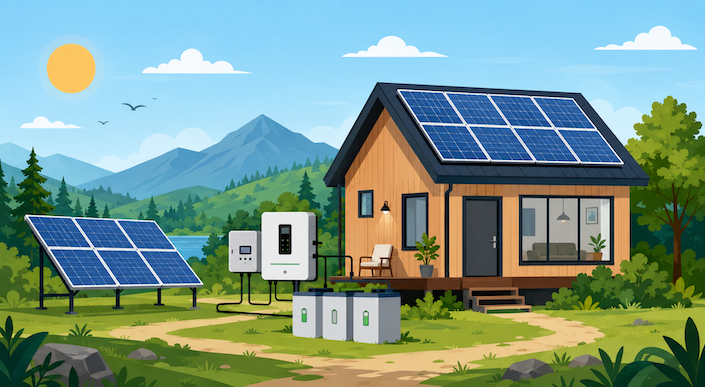
Living off the grid is no longer just a dream for remote cabins or adventurous homeowners. Thanks to advances in solar technology, more families are choosing to generate their own electricity and reduce their dependence on traditional utility companies.
Whether your goal is to lower monthly energy costs, prepare for power outages, or embrace a more sustainable lifestyle, an off-grid solar system offers a practical path toward energy independence. While the transition requires thoughtful planning and a significant upfront investment, many homeowners find that the long-term benefits outweigh the challenges.
Before making the switch, it’s important to understand how off-grid solar systems work, how much energy your home requires, and what equipment you’ll need to create a reliable power supply throughout the year.
Why More Homeowners Are Going Off the Grid
An off-grid solar system operates independently from the public electrical grid. Instead of relying on a utility company, your home generates, stores, and consumes its own electricity.
For many homeowners, the biggest advantage is complete energy independence. You no longer have to worry about rising electricity prices, utility outages, or grid failures affecting your daily life.
Beyond financial savings, going off the grid also reduces your environmental impact. Solar energy is clean, renewable, and produces no greenhouse gas emissions during operation, making it one of the most sustainable energy sources available today.
Many homeowners also appreciate the peace of mind that comes from producing their own electricity, especially in areas where storms, wildfires, or aging infrastructure frequently cause blackouts.
Determine Your Home’s Energy Needs
Before purchasing solar equipment, you need a clear understanding of your household’s energy consumption.
Every appliance, electronic device, and lighting fixture contributes to your daily electricity usage. Calculating your energy demand allows you to properly size your solar array and battery storage.
A helpful starting point is learning how much electricity your solar panels can realistically generate based on your location, roof orientation, and available sunlight.
This evaluation helps prevent installing a system that’s either too small to meet your needs or unnecessarily oversized, increasing installation costs without providing additional value.
Conduct a Home Energy Audit
An energy audit identifies where electricity is being used and highlights opportunities to improve efficiency before investing in solar equipment.
Replacing outdated appliances, switching to LED lighting, improving insulation, sealing air leaks, and upgrading windows can dramatically reduce your home’s daily energy consumption.
Lower energy demand means you’ll need fewer solar panels and a smaller battery bank, making your off-grid system more affordable.
Improve Your Home’s Energy Efficiency First
One of the smartest investments you can make before installing solar is improving your home’s efficiency.
Reducing wasted electricity allows your solar system to perform better while lowering equipment costs.
Simple upgrades include:
- Installing Energy Star-certified appliances
- Using programmable thermostats
- Adding attic insulation
- Replacing incandescent bulbs with LEDs
- Improving weather sealing around doors and windows
These improvements work together to maximize every watt your solar panels produce.
Understanding the Components of an Off-Grid Solar System
Unlike grid-tied systems, off-grid solar installations require additional equipment to ensure your home has electricity around the clock.
Solar Panels
Solar panels capture sunlight and convert it into direct current (DC) electricity through photovoltaic (PV) cells.
The number of panels you’ll need depends on your energy usage, local weather conditions, roof space, and desired energy reserve.
Solar Inverter
Since household appliances operate on alternating current (AC), an inverter converts the DC electricity generated by your panels into usable AC power.
Modern solar inverters are highly efficient and often include monitoring tools that allow homeowners to track system performance.
Battery Storage
Battery storage is the heart of any off-grid solar system.
During sunny hours, excess electricity charges the batteries instead of being exported to the utility grid. After sunset or during cloudy weather, your home draws electricity from the stored energy.
Without batteries, an off-grid home would lose power whenever solar production stops.
Charge Controller
A charge controller regulates the flow of electricity between your solar panels and battery bank.
It prevents batteries from overcharging or discharging too deeply, helping extend battery life and improve overall system reliability.
What Happens When You Generate More Power Than You Use?
Unlike grid-connected systems, off-grid homes cannot send excess electricity back to a utility provider.
Instead, surplus energy charges your battery bank until it reaches full capacity.
Once the batteries are completely charged, additional solar production may simply go unused unless your system includes smart load management that automatically powers optional devices such as water heaters or electric vehicle chargers.
Proper system sizing ensures excess production is minimized while maintaining enough stored energy for nighttime and periods of poor weather.
The Biggest Challenges of Living Off the Grid
While off-grid living offers incredible freedom, it’s important to understand the responsibilities that come with managing your own electricity supply.
Battery Replacement
Solar panels commonly last between 30 and 50 years with minimal maintenance.
Batteries, however, have much shorter lifespans.
Depending on the battery chemistry, quality, and usage patterns, most battery banks require replacement every 10 to 15 years, although some may last longer with proper care.
Improper charging, excessive discharge, and poor maintenance can significantly reduce battery life.
Developing consistent charging habits and monitoring battery health can help maximize your investment.
Seasonal Weather Changes
Solar production naturally fluctuates throughout the year.
Winter months typically bring shorter daylight hours, lower sun angles, and extended periods of cloudy weather.
Without adequate battery storage or backup generation, prolonged low-sun conditions may result in temporary power shortages.
When designing your system, installers often account for the least productive months of the year rather than average annual production.
Higher Upfront Investment
Going off the grid generally costs more than installing a grid-tied solar system.
Additional batteries, larger solar arrays, charge controllers, and backup equipment increase the initial investment.
However, many homeowners view these costs as a long-term investment in energy independence, especially in remote locations where connecting to the electrical grid is expensive.
Tips for Building a Reliable Off-Grid Solar System
Reliability starts with careful planning.
Avoid designing a system that only meets your average daily energy usage. Instead, include a safety margin for unexpected weather, increased electricity demand, or future appliance additions.
Many homeowners also choose to install backup generators that can recharge batteries during extended periods of low solar production.
While this reduces total reliance on renewable energy, it provides valuable protection against prolonged outages.
Regular system inspections, battery monitoring, and panel cleaning also contribute to consistent performance over the life of the system.
Is Going Off the Grid Worth It?
The answer depends on your priorities.
If your primary goal is eliminating monthly utility bills, a grid-tied system may offer the fastest financial return.
However, if you value energy independence, resilience during power outages, and long-term sustainability, an off-grid solar system can be an excellent investment.
Many homeowners also appreciate knowing exactly where their electricity comes from and having greater control over their household’s energy future.
If you’re still exploring the advantages of renewable energy, understanding the many long-term benefits of installing residential solar panels can help you decide whether an off-grid lifestyle aligns with your goals.
Final Thoughts
Going off the grid with solar is a significant lifestyle decision, but it’s also one of the most rewarding investments homeowners can make.
With proper planning, realistic expectations, and a well-designed solar system, you can enjoy reliable electricity while reducing your environmental impact and gaining freedom from traditional utility providers.
Every successful off-grid installation starts with understanding your energy needs, improving your home’s efficiency, and selecting high-quality equipment that will continue performing for decades.
As solar technology continues to advance, achieving true energy independence is becoming more accessible than ever.
Frequently Asked Questions
How many solar panels do I need to go off the grid?
The number depends on your home’s daily electricity usage, your geographic location, available sunlight, and battery storage capacity. A professional energy assessment provides the most accurate estimate.
Can I go completely off the grid without batteries?
No. Batteries are essential for storing electricity produced during the day so your home has power at night and during cloudy weather.
How long do off-grid solar batteries last?
Most modern lithium-ion batteries last between 10 and 15 years, depending on usage, maintenance, and charging habits.
Is an off-grid solar system more expensive than a grid-tied system?
Yes. Off-grid systems require additional equipment, including battery storage and charge controllers, resulting in higher upfront costs.
Can an off-grid solar system power an entire home?
Absolutely. A properly designed system can power all household appliances, lighting, heating, and cooling systems, provided it’s sized according to your energy needs.
Learn More About Solar Installation