

Beyond Clicks: Lead System Growth for Service Providers
June 19, 2026
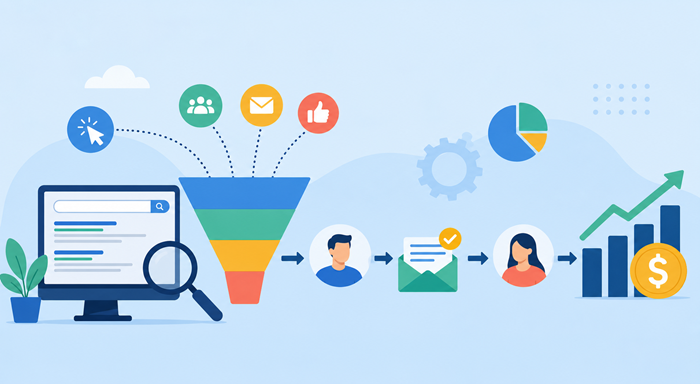
In today’s competitive digital landscape, generating clicks is easier than generating qualified leads. Many service providers still focus heavily on keyword rankings, traffic metrics, and campaign dashboards, believing these indicators directly translate into business growth. While traffic remains important, modern buyers behave differently than they did a few years ago.
The reality is simple: clicks alone don’t pay the bills. Leads, appointments, consultations, and closed deals do.
This shift is forcing businesses to rethink their approach to online marketing. Instead of relying solely on keyword managers who focus on rankings and traffic, successful companies are building complete lead-generation ecosystems designed to convert visitors into customers. This evolution is changing how service businesses approach growth and long-term profitability.
The Problem with a Click-Only Mindset
For years, marketers celebrated metrics such as impressions, clicks, and website visits. While these numbers provide useful insights, they often create a false sense of success.
A campaign can generate thousands of visitors every month and still fail to produce meaningful revenue. That’s because attracting traffic is only one part of the customer acquisition process.
Modern consumers move through multiple touchpoints before making a decision. They may discover your brand through search engines, research competitors, read reviews, visit your website several times, and engage with your content before contacting you.
When businesses focus only on traffic acquisition, they overlook the systems required to guide prospects through this journey.
Understanding the Shift from Keywords to Lead Systems
A lead system is a structured process that turns visitors into paying customers.
Rather than measuring success by rankings alone, lead system optimization evaluates every stage of the buyer journey. The goal is to identify friction points and improve conversion opportunities throughout the funnel.
This approach focuses on:
- Visitor intent
- Landing page performance
- Lead capture mechanisms
- Follow-up sequences
- Conversion tracking
- Sales pipeline efficiency
- Customer acquisition costs
The result is a more predictable and scalable growth strategy.
Why Service Providers Face Unique Challenges
Unlike eCommerce businesses that often sell products instantly, service-based companies usually require longer sales cycles.
Potential customers frequently need:
- Consultations
- Discovery calls
- Estimates
- Demonstrations
- Trust-building interactions
Because of this, generating a click is only the beginning of the relationship.
A visitor searching for a legal service, accounting firm, home contractor, healthcare provider, or marketing consultant typically conducts extensive research before making contact. Businesses must optimize every touchpoint to support this decision-making process.
The Modern Buyer’s Journey Has Changed
Consumer behavior continues to evolve.
People now expect personalized experiences, immediate information, and seamless interactions across devices. They move between channels quickly and often revisit brands multiple times before taking action.
This means businesses must think beyond keyword rankings and understand how prospects engage throughout their entire journey.
For example, someone may discover your business through search, return through social media, read a case study, and finally convert after receiving a remarketing message.
Each interaction contributes to the final decision.
The Hidden Costs of Poor Lead Systems
Many companies invest heavily in traffic generation but neglect conversion optimization.
This creates several problems:
Lost Opportunities
Visitors leave websites without taking action because forms are too complicated, messaging is unclear, or calls-to-action are weak.
Higher Marketing Costs
Acquiring traffic becomes more expensive when conversion rates remain low.
Inconsistent Revenue
Without a structured lead-generation process, sales performance becomes unpredictable.
Limited Growth Potential
Scaling becomes difficult when the underlying system fails to convert prospects efficiently.
These issues often cost businesses far more than they realize.
What Lead System Optimizers Do Differently
Lead system optimizers focus on outcomes rather than vanity metrics.
Instead of asking, “How many clicks did we get?” they ask:
- How many qualified leads were generated?
- Which channels produce the highest-value customers?
- Where are prospects dropping out?
- How can conversion rates improve?
- What increases customer lifetime value?
This broader perspective helps businesses maximize the return from every marketing investment.
Building a High-Performing Lead Generation Ecosystem
Creating an effective lead system requires multiple components working together.
Strong Traffic Acquisition
Traffic still matters because potential customers must discover your business.
Search visibility, content marketing, referrals, social media, and advertising all contribute to lead generation.
Many businesses invest in ppc strategies to attract highly targeted audiences searching for immediate solutions.
However, traffic acquisition should always connect to a larger conversion strategy.
Conversion-Focused Landing Pages
Landing pages should address customer pain points clearly and guide visitors toward a specific action.
Effective pages typically include:
- Clear headlines
- Trust indicators
- Testimonials
- Strong offers
- Simple forms
- Mobile-friendly design
Every element should support conversion.
Intelligent Lead Capture
Businesses need multiple ways to collect prospect information.
These can include:
- Contact forms
- Consultation bookings
- Live chat
- Downloadable resources
- Interactive assessments
The easier it is to engage, the more leads you capture.
Automated Follow-Up Systems
Many leads are lost simply because businesses fail to follow up consistently.
Automation helps maintain communication through:
- Email nurturing
- Appointment reminders
- Educational content
- Personalized outreach
This increases engagement while reducing manual effort.
Data Should Drive Every Decision
One major difference between keyword-focused marketing and lead system optimization is measurement.
Keyword managers often concentrate on rankings and traffic reports.
Lead system optimizers analyze:
- Lead quality
- Cost per acquisition
- Conversion rates
- Sales velocity
- Revenue attribution
- Customer lifetime value
These metrics connect marketing activities directly to business growth.
The Role of Advertising in Lead System Optimization
Paid advertising remains one of the fastest ways to generate qualified traffic.
A well-structured pay per click advertising strategy can place service providers directly in front of prospects actively searching for solutions.
Yet successful campaigns depend on much more than keyword selection.
Landing page experience, audience targeting, offer positioning, and follow-up systems all influence final results.
Businesses interested in learning how google ads helps small businesses grow fast can better understand how paid traffic fits into a complete lead-generation framework.
Why Retargeting Matters More Than Ever
Most visitors do not convert on their first visit.
That’s why businesses increasingly invest in remarketing strategies designed to reconnect with interested prospects.
Understanding how retargeting ads work can help service providers recover potential customers who might otherwise be lost.
Retargeting keeps your brand visible during the decision-making process and often improves overall conversion performance.
Social Media’s Growing Impact on Lead Generation
Social platforms have evolved far beyond brand awareness tools.
Today, they play a critical role in lead generation, relationship building, and audience nurturing.
Businesses looking for a practical guide to b2b leads through social media can discover how social engagement supports broader lead system objectives.
The most successful companies integrate social channels into their entire customer acquisition strategy rather than treating them as isolated marketing activities.
Understanding Content and Trust Building
Modern buyers want evidence before making decisions.
Case studies, testimonials, educational content, and thought leadership all contribute to trust.
Content helps prospects answer important questions before contacting your business.
This trust-building process often shortens sales cycles and improves conversion rates.
Companies offering affordable digital marketing services often achieve stronger results when content supports every stage of the buyer journey.
UGC, Influencers, and Customer Validation
Trust signals continue to influence purchasing decisions.
User-generated content and influencer partnerships can both support lead generation efforts when used strategically.
Businesses evaluating the differences between UGC and influencer-led campaigns can better determine which approach aligns with their audience and objectives.
The key is selecting tactics that strengthen credibility and encourage action.
Signs Your Business Needs Lead System Optimization
You may need a lead system approach if:
- Website traffic is increasing but inquiries are not.
- Marketing costs continue rising.
- Leads are inconsistent.
- Follow-up processes are manual.
- Sales teams complain about lead quality.
- Conversion rates remain stagnant.
- Marketing reports focus only on traffic metrics.
These symptoms often indicate that traffic generation and conversion systems are disconnected.
The Future Belongs to Revenue-Focused Marketing
As competition grows, businesses can no longer afford to optimize only for clicks.
Future-ready organizations focus on complete customer acquisition systems that connect marketing, sales, and customer experience.
This requires thinking beyond rankings and embracing a more holistic approach to growth.
The businesses that thrive will be those that understand every click represents a potential customer journey—not simply a website visit.
Conclusion
The digital marketing landscape has evolved dramatically. Rankings, impressions, and website traffic still matter, but they are no longer enough on their own.
Service providers that continue relying solely on keyword-focused strategies risk missing valuable opportunities hidden within their customer journey.
The real advantage comes from optimizing the entire lead-generation ecosystem. From traffic acquisition and landing pages to nurturing and conversion tracking, every stage contributes to sustainable growth.
The question is no longer how many clicks your marketing generates. The question is how effectively your business converts those clicks into qualified leads, loyal customers, and long-term revenue.
Businesses that embrace lead system optimization today will be better positioned to compete, scale, and thrive tomorrow.
FAQs
1. What is lead system optimization?
Lead system optimization improves every stage of the customer journey to increase conversions and revenue.
2. Why aren’t website clicks enough for business growth?
Clicks create opportunities, but conversions and sales generate revenue.
3. How does a ppc campaign differ from lead system optimization?
A ppc campaign drives traffic, while lead system optimization improves conversion outcomes.
4. Why are follow-up systems important?
Consistent follow-up helps convert interested prospects into customers.
5. What role does data play in lead generation?
Data reveals where improvements can increase lead quality and conversion rates.