

Extended Car Warranty Costs: The Full Breakdown
March 5, 2026
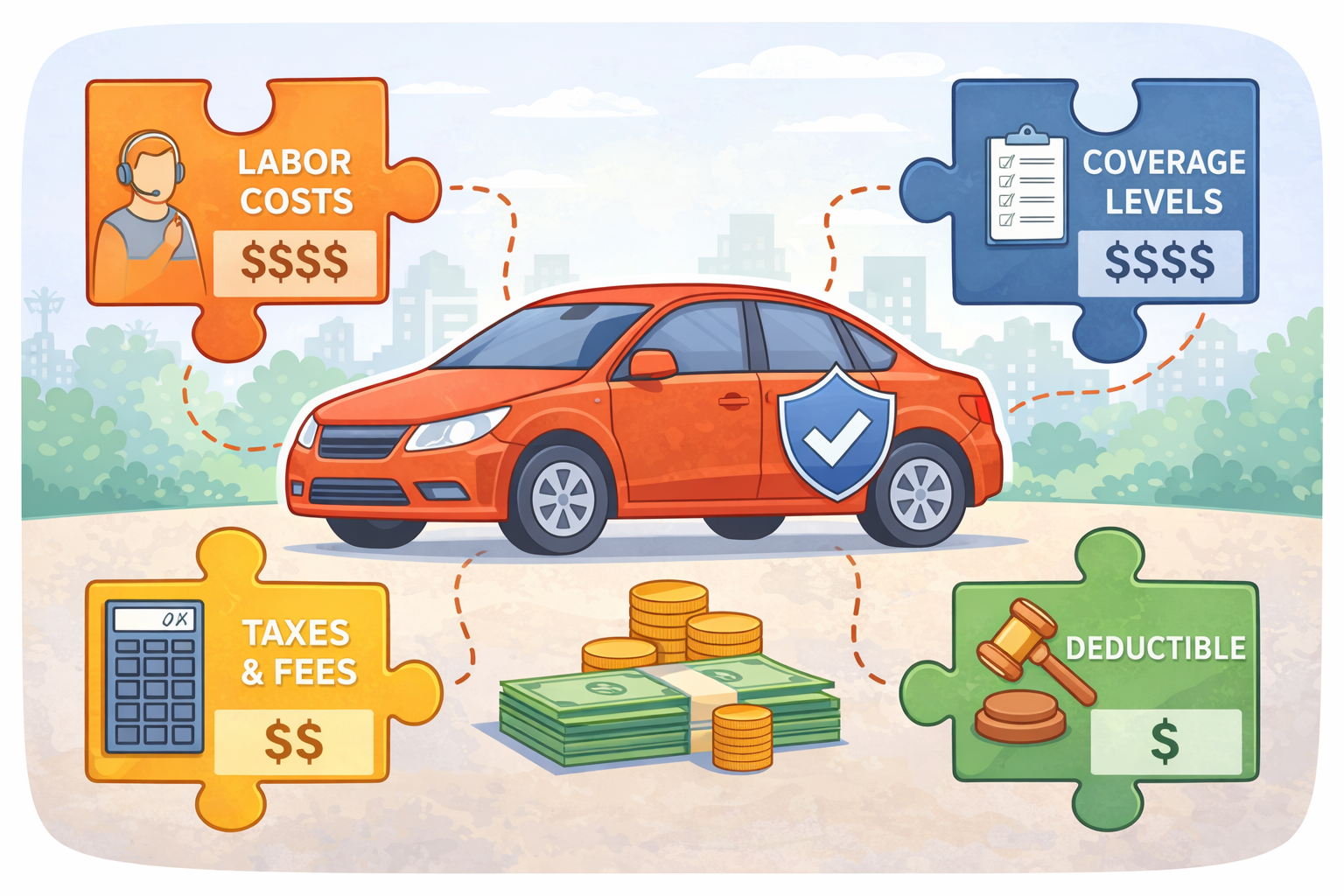
Whether you’re buying a new car or looking to add extra protection to your current vehicle, an extended auto warranty, also called a vehicle protection plan (VPP), can help you avoid expensive repairs. Beyond just covering repairs, it gives peace of mind by protecting your finances and keeping your vehicle in top condition. While the upfront cost may seem high, understanding what it covers and how pricing works can help you make an informed decision.
Extended auto warranties are particularly useful for drivers who rely heavily on their cars for daily commuting, long-distance travel, or work-related tasks. They act as a financial buffer, shielding you from costly mechanical failures and unexpected breakdowns.
What Is an Extended Car Warranty?
An extended car warranty is a contract that covers repairs for major components of your vehicle after the manufacturer’s original warranty expires. This includes systems such as:
- Engine and transmission
- Electrical and air conditioning systems
- Steering and suspension components
The warranty essentially picks up where your manufacturer’s coverage ends, ensuring that you are not left paying out of pocket for expensive repairs.
Extended warranties are often misunderstood as optional extras for only new cars, but they are equally valuable for used vehicles. If your car is older, lacks a factory warranty, or has high mileage, a VPP can save thousands in unexpected repair costs.
Drivers who explore extended coverage options often also review things to do before picking your new auto insurance plan, ensuring their insurance and vehicle protection strategies work together seamlessly. This holistic approach reduces risk and provides stronger financial security.
Who Can Benefit Most from an Extended Auto Warranty?
Certain drivers see more value in extended warranties than others. You may benefit from a VPP if you:
- Own a used car without factory coverage
- Drive a car whose original warranty has expired
- Commute long distances regularly
- Live in a high-traffic city where mechanical wear is common
- Are a new driver seeking extra protection
Even if none of these conditions strictly apply, an extended warranty can still provide peace of mind. It ensures that costly repairs, ranging from engine failure to transmission replacement, are manageable and predictable.
Factors That Affect Extended Warranty Costs
The cost of an extended auto warranty depends on several key elements:
Provider Type
Warranties come from both manufacturers and third-party providers. Manufacturer-backed plans often cost more but may provide broader coverage and a network of certified repair centers. Third-party plans may be more affordable, but it’s important to research reliability and service quality before committing.
Vehicle Type
The make, model, year, and mileage of your car significantly influence pricing. Luxury vehicles, high-performance cars, or vehicles with expensive replacement parts generally incur higher premiums.
Coverage Level
Extended warranties come in tiers, from basic plans covering major components to comprehensive coverage that includes almost all vehicle systems. Naturally, more comprehensive plans cost more, but they also reduce financial risk for unexpected repairs.
Payment Options
Some providers offer monthly installments, while others require a lump-sum payment. Understanding deductibles, total cost, and any down payment requirements is crucial to comparing plans effectively.
Drivers often also look at other financial protection options, such as split limit auto insurance, to ensure all aspects of their car’s safety and cost coverage are addressed.
Benefits of an Extended Auto Warranty
Investing in a VPP comes with a variety of advantages:
Extra Services
Many extended warranties include additional benefits, such as roadside assistance, towing, and rental car reimbursement. These services can be invaluable if your car breaks down unexpectedly.
Trusted Mechanics
Reputable providers work with ASE-certified professionals, ensuring quality repairs and reliable service. Using certified mechanics reduces the risk of improper repairs and provides consistent results.
Reduced Repair Costs
With a VPP, you are usually responsible only for your deductible, with the warranty covering the rest. Major repairs, like transmission replacement or engine repairs, can cost thousands of dollars, making even a higher premium worthwhile for the financial protection offered.
Predictable Expenses
Instead of facing sudden, large repair bills, an extended warranty allows for predictable monthly or annual costs. This predictability makes it easier to budget for vehicle maintenance and avoid financial surprises.
How Extended Warranties Compare to Traditional Auto Insurance
While insurance covers accidents, collisions, and liability, extended warranties specifically handle mechanical failures. Understanding the difference is critical to ensuring comprehensive protection:
- Auto insurance pays for damages from accidents, theft, and natural disasters.
- Extended warranties cover breakdowns and wear-and-tear of vehicle systems.
- Combining both gives complete coverage against unforeseen expenses.
A VPP complements insurance rather than replacing it. For example, if your engine fails due to mechanical wear, your warranty steps in where insurance does not. This separation ensures both financial and operational protection.
Common Misconceptions About Extended Warranties
Several myths can make drivers hesitant to invest in a VPP:
- “Only for old cars” – While older cars benefit, even new cars can face expensive repairs once the manufacturer warranty expires.
- “They don’t cover much” – Premium plans can cover nearly every major system, including electronics, steering, suspension, and more.
- “Too expensive” – While upfront costs vary, the financial security they offer against a single major repair often outweighs the expense.
Understanding these realities helps drivers make smarter, more informed decisions about protecting their vehicles.
Tips for Choosing the Right Vehicle Protection Plan
When selecting a VPP, consider:
- Provider Reputation: Look for reviews and verified customer feedback.
- Coverage Details: Ensure all major systems and potential repairs are included.
- Cost Transparency: Confirm deductibles, payment plans, and any exclusions.
- Compatibility: Align your warranty coverage with your auto insurance for full protection.
A carefully chosen plan balances cost with protection, reducing stress and making vehicle maintenance manageable.
Average Costs and How to Maximize Value
Extended warranty costs vary widely, depending on vehicle type and coverage level:
- Basic coverage for a standard sedan: $500–$1,000 annually
- Mid-range coverage for SUVs or crossovers: $1,000–$2,000 annually
- Comprehensive coverage for luxury or high-performance vehicles: $2,000–$4,000 annually
To maximize value, focus on:
- Selecting a coverage tier that matches your driving habits and vehicle type
- Choosing a plan with additional services like roadside assistance
- Comparing multiple providers to find the best combination of price and protection
Even a plan on the higher end can be a fraction of the cost of a single major repair, offering long-term savings.
Integrating an Extended Warranty Into Your Vehicle Strategy
For optimal protection, integrate your VPP with other vehicle safeguards:
- Combine warranty coverage with robust auto insurance
- Keep up with regular maintenance to prevent avoidable repairs
- Track mileage and repairs to choose the right coverage level as your vehicle ages
This integrated approach ensures your car remains reliable, reduces unexpected costs, and keeps your driving experience stress-free.
Finding a Reliable Vehicle Protection Plan
Finding the right VPP is easier when you focus on reliable providers with transparent pricing and comprehensive coverage. Ask for quotes, compare plans, and read customer reviews to make an informed decision.
A well-chosen plan protects your investment, reduces the risk of sudden repair costs, and allows you to enjoy driving without constant worry about mechanical failures.