

Smart Home Upgrades That Can Lower Your Taxes
April 6, 2026
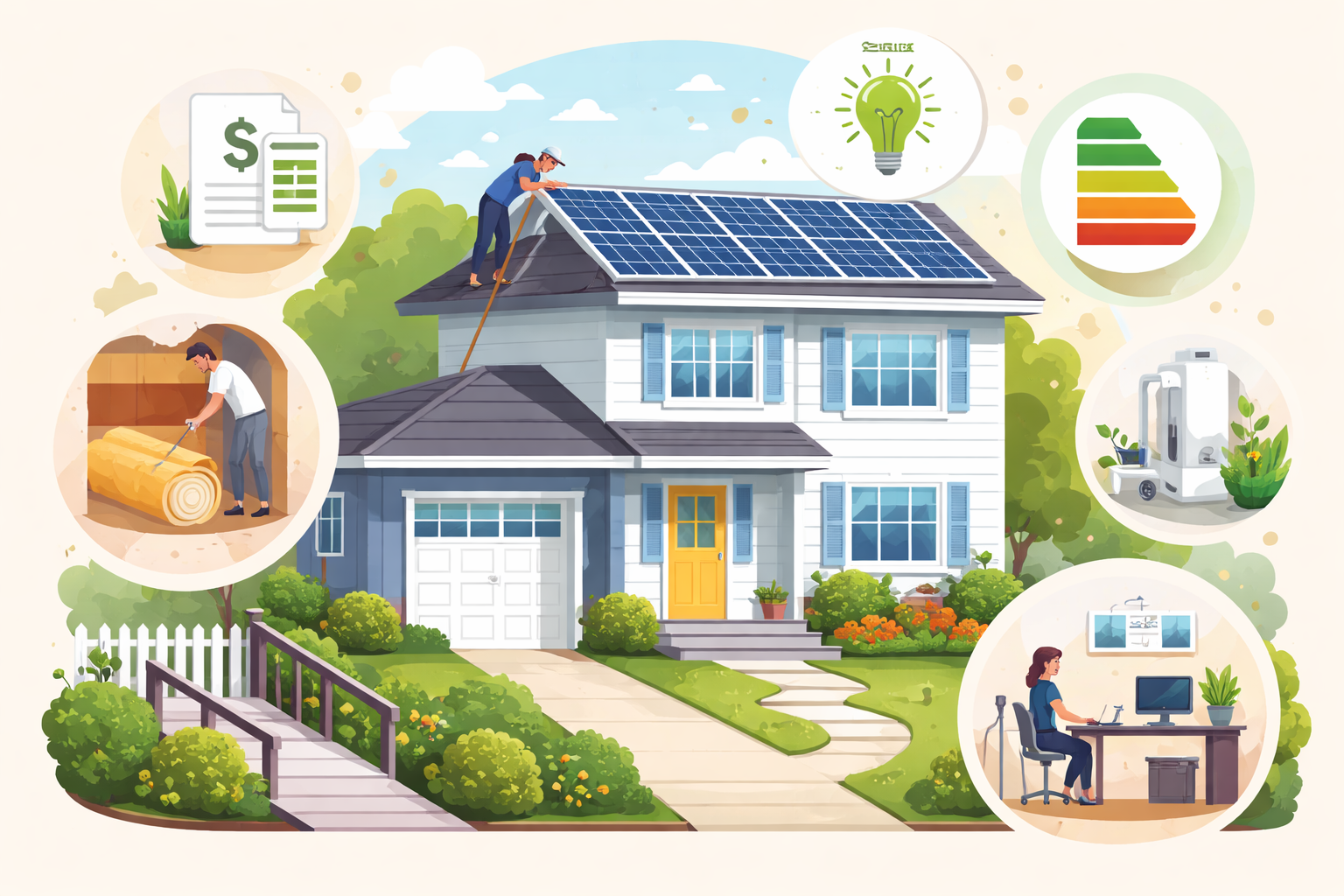
Home improvements are often seen as lifestyle upgrades—but they can also be powerful financial tools. With the right approach, certain renovations may qualify for tax deductions or credits, helping you reduce your tax burden while improving your living space.
If you’re planning upgrades this year, understanding how tax-deductible home improvements work can help you make smarter decisions. From energy-efficient installations to home office renovations, the right investments can deliver both immediate comfort and long-term financial benefits. Even simple changes, like enhancing your living space, can contribute to both value and savings when done strategically.
What Makes a Home Improvement Tax Deductible?
Not all home improvements qualify for tax deductions. In most cases, the IRS distinguishes between repairs, improvements, and eligible upgrades tied to specific tax benefits.
Repairs vs. Improvements
Repairs maintain your home’s current condition—like fixing a leak or repainting a wall—and typically aren’t tax deductible. Improvements, on the other hand, increase your home’s value, extend its lifespan, or adapt it for new uses.
Examples of improvements include:
- Installing a new HVAC system
- Replacing your roof
- Upgrading insulation or windows
- Adding a home office
While most improvements aren’t immediately deductible, they can increase your home’s cost basis—reducing capital gains tax if you sell later.
When Do Tax Benefits Apply?
Certain home improvements qualify for tax credits or deductions under specific conditions, such as:
- Energy efficiency upgrades
- Medical or accessibility modifications
- Business use (home office)
- Renewable energy installations
Understanding these categories is key to maximizing your savings.
Energy-Efficient Upgrades That Offer Tax Credits
Energy-efficient home improvements are among the most common ways homeowners reduce their taxes. These upgrades not only lower your monthly utility bills but may also qualify for federal or local tax incentives.
Popular Energy-Efficient Improvements
Upgrades that may qualify include:
- Energy-efficient windows and doors
- Insulation improvements
- High-efficiency HVAC systems
- Smart thermostats
- Solar energy systems
For example, many homeowners benefit from tax incentives when installing residential solar panels, which can significantly reduce long-term energy costs.
Why These Upgrades Matter
Energy-efficient improvements are designed to reduce energy consumption, which aligns with government incentives aimed at sustainability. In many cases, you can claim a percentage of the installation cost as a tax credit.
This makes them a “double win”—you save on energy bills while reducing your tax liability.
Home Office Improvements and Tax Benefits
With remote work becoming more common, home offices have shifted from a luxury to a necessity. If you use part of your home exclusively for business, you may qualify for home office deductions.
What Qualifies as a Home Office?
To claim deductions, your workspace must be:
- Used regularly and exclusively for business
- Your principal place of business or used for client meetings
Deductible Home Office Expenses
Eligible deductions may include:
- Office furniture and equipment
- Internet and utility costs (partial)
- Renovation expenses for your workspace
- Repairs specific to your office area
If you’ve converted a spare room into a functional workspace, those upgrades may contribute to tax savings—especially when tied directly to business use.
Accessibility Improvements That May Be Deductible
Home modifications made for medical or accessibility reasons can sometimes be deducted as medical expenses. These improvements are designed to accommodate individuals with disabilities or specific health conditions.
Common Accessibility Upgrades
- Installing wheelchair ramps
- Widening doorways and hallways
- Adding grab bars and railings
- Lowering cabinets or fixtures
- Modifying bathrooms for accessibility
How Tax Deductions Apply
If these improvements are deemed medically necessary and don’t increase your home’s value significantly, they may qualify as deductible medical expenses.
This makes accessibility upgrades not only essential for comfort and safety but also financially beneficial.
Health-Focused Home Improvements
Creating a healthier home environment is another area where improvements may intersect with tax benefits—especially when tied to medical needs.
Examples of Health-Oriented Upgrades
- Air purification systems
- Humidity control systems
- Water filtration installations
- Specialized home gym setups for medical use
While not all wellness upgrades qualify, those prescribed by a medical professional may be partially deductible.
The key is documentation and a clear connection between the improvement and a medical necessity.
How to Maximize Your Tax Benefits
Understanding what qualifies is only half the equation. To fully benefit from tax-deductible home improvements, you need a clear strategy.
Keep Detailed Records
Documentation is critical. Keep records of:
- Receipts and invoices
- Contracts and permits
- Product specifications (especially for energy-efficient upgrades)
Well-organized records make it easier to claim deductions and defend them if needed.
Work With a Tax Professional
Tax regulations can be complex and frequently updated. A tax professional can help you:
- Identify eligible deductions and credits
- Avoid costly mistakes
- Optimize your overall tax strategy
This is especially important if you’re combining multiple types of improvements, such as energy upgrades and home office renovations.
Stay Updated on Tax Laws
Tax incentives change regularly. Programs for energy efficiency, renewable energy, and home improvements may be expanded or reduced over time.
Staying informed ensures you don’t miss out on new opportunities to save.
Long-Term Financial Benefits of Smart Home Improvements
Even when immediate tax deductions aren’t available, home improvements can still offer long-term financial advantages.
Increased Property Value
Strategic upgrades can boost your home’s resale value, making it more attractive to buyers.
Reduced Capital Gains Tax
When you sell your home, improvements increase your cost basis. This can lower the taxable profit from the sale.
Lower Operating Costs
Energy-efficient upgrades reduce monthly expenses, improving your overall financial position over time.
Enhanced Quality of Life
Beyond financial benefits, improvements make your home more comfortable, functional, and aligned with your lifestyle.
Common Mistakes to Avoid
Many homeowners miss out on tax benefits due to simple oversights. Avoid these common mistakes:
Assuming All Improvements Are Deductible
Not every upgrade qualifies. Always verify eligibility before claiming deductions.
Poor Documentation
Missing receipts or incomplete records can prevent you from claiming valid deductions.
Mixing Personal and Business Use
For home office deductions, exclusive use is essential. Shared spaces may disqualify your claim.
Ignoring Local Incentives
In addition to federal programs, local governments and utilities often offer rebates and incentives for specific upgrades.
Planning Your Next Home Improvement Project
Before starting your next renovation, take a strategic approach:
- Identify improvements that offer both functional and financial benefits
- Research available tax credits and deductions
- Plan upgrades that align with long-term goals
- Keep documentation from day one
By planning ahead, you can turn a simple home upgrade into a smart financial decision.
Conclusion
Home improvements are more than cosmetic upgrades—they’re opportunities to strengthen your financial position. Whether you’re investing in energy efficiency, building a home office, or improving accessibility, the right projects can unlock meaningful tax benefits.
The key is understanding what qualifies, keeping proper documentation, and making informed decisions. With a strategic approach, you can transform your home into a space that not only meets your needs but also works in your favor during tax season.