

Solar Power Maintenance Tips for Peak Performance
July 10, 2026
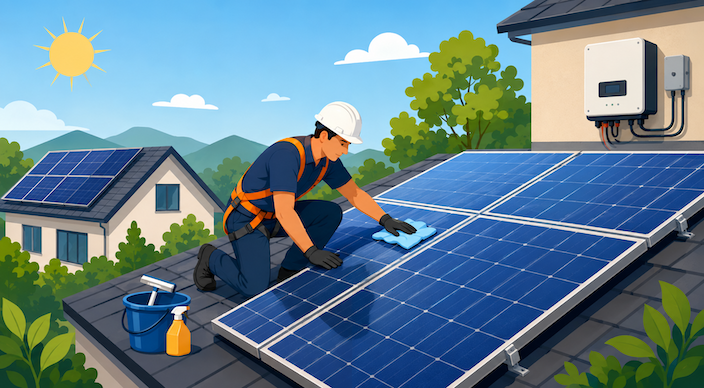
Solar power is one of the smartest investments you can make for your home or business. It reduces electricity costs, lowers your carbon footprint, and provides a reliable source of renewable energy for years to come. However, even the most advanced solar panel system requires routine care to deliver consistent performance and maximum energy production.
Many people assume solar panels are completely maintenance-free. While they require far less upkeep than many other energy systems, regular inspections, cleaning, and performance monitoring play an important role in protecting your investment. A well-maintained solar power system not only produces more electricity but also lasts longer and minimizes the risk of expensive repairs.
Whether you’ve recently installed solar panels or have relied on solar energy for years, following a proactive maintenance routine helps ensure your system continues operating at peak efficiency. In this guide, you’ll learn practical solar power maintenance tips that help improve energy output, extend equipment lifespan, and keep your renewable energy investment working at its best.
Why Solar Power Maintenance Matters
Solar panels are designed to withstand years of exposure to harsh weather conditions, including heavy rain, strong winds, and intense sunlight. Despite their durability, outdoor exposure naturally leads to dirt accumulation, debris buildup, and gradual wear on system components.
Routine maintenance offers several important benefits:
- Maximizes electricity production
- Extends the lifespan of your solar system
- Detects minor issues before they become costly repairs
- Improves long-term return on investment
- Keeps warranty requirements compliant
Even a thin layer of dust or fallen leaves can reduce energy production. Regular maintenance ensures every component continues working efficiently throughout the year.
Regular Cleaning Keeps Solar Panels Efficient
One of the easiest ways to maintain solar panel performance is keeping the surface clean. Dust, pollen, bird droppings, leaves, and other debris can block sunlight from reaching the photovoltaic cells.
Over time, this buildup reduces the amount of electricity your system can generate.
How Often Should Solar Panels Be Cleaned?
The ideal cleaning schedule depends on your environment.
Homes located near:
- Busy roads
- Construction sites
- Agricultural fields
- Coastal regions
- Areas with heavy pollen
may require more frequent cleaning than properties in cleaner environments.
For most homeowners, inspecting the panels every few months and cleaning them when noticeable dirt appears is usually sufficient.
Safe Cleaning Practices
Cleaning solar panels is relatively straightforward, but using the right methods prevents accidental damage.
Best practices include:
- Use clean water whenever possible.
- Wipe with a soft sponge or microfiber cloth.
- Use mild soap only when necessary.
- Avoid abrasive brushes or harsh chemicals.
- Clean during cooler parts of the day to prevent rapid evaporation.
If your panels are mounted on a steep roof or are difficult to access safely, hiring a professional cleaning service is often the better option.
Inspect Your Solar Panels for Visible Damage
Routine visual inspections help identify problems before they affect system performance.
Although solar panels are built with durable tempered glass, severe weather, falling branches, or unexpected impacts may cause damage over time.
What to Look For
Walk around your property occasionally and inspect your system for signs such as:
- Cracked glass
- Loose mounting hardware
- Water intrusion
- Burn marks
- Discoloration
- Broken wiring
- Corrosion around connectors
Even small defects can gradually reduce efficiency if left unaddressed.
If you’re interested in learning how different equipment choices affect long-term reliability, understanding the right solar inverter can help you make informed maintenance decisions as your system ages.
Prevent Shading by Trimming Nearby Trees
Solar panels generate the most electricity when they receive direct sunlight throughout the day.
As trees grow, branches may gradually create new areas of shade that didn’t exist when the system was first installed.
Even partial shading on one section of a solar array can reduce the output of multiple connected panels.
Benefits of Tree Maintenance
Regular trimming helps:
- Increase daily energy production
- Reduce leaf accumulation
- Minimize bird activity near panels
- Prevent falling branches from causing damage
Maintaining clear access to sunlight allows your system to operate closer to its maximum rated capacity.
Monitor Your Energy Production Regularly
Most modern solar systems include monitoring software that tracks electricity production in real time.
Checking your production data every few days—or at least once a month—can help identify issues before they become serious.
Warning Signs to Watch For
Pay attention if you notice:
- Sudden drops in daily energy generation
- Lower production compared to similar weather conditions
- Unexpected inverter warnings
- Missing production data
While seasonal changes naturally affect output, unexplained decreases often indicate that your system requires inspection.
Keeping historical production records also makes it easier for installers or technicians to diagnose problems quickly.
Protect Your Solar Panels from Pests
Wildlife can sometimes become an unexpected maintenance concern.
Birds frequently nest beneath rooftop solar panels, while rodents may chew exposed wiring.
These issues can reduce efficiency and create expensive repair costs if ignored.
Common Pest Problems
Potential issues include:
- Bird nests blocking airflow
- Rodent-damaged electrical cables
- Accumulated nesting materials
- Increased debris beneath the panels
Installing protective mesh around the perimeter of rooftop arrays can discourage animals without affecting ventilation.
Routine inspections make it easier to detect pest activity before it causes permanent damage.
Keep Mounting Hardware Secure
Your solar panels rely on mounting brackets and support structures that remain exposed to changing weather throughout the year.
Strong winds, temperature fluctuations, and natural settling can occasionally loosen hardware over time.
Checking visible mounting components helps ensure your panels remain safely secured and properly aligned.
Signs of concern include:
- Loose bolts
- Shifting panel positions
- Rust or corrosion
- Unusual movement during strong winds
Any structural concerns should be inspected by a qualified solar technician rather than repaired independently.
Weather Can Affect Maintenance Needs
Different climates present different maintenance challenges.
Rainy Areas
Rain naturally washes away some dust but may leave behind mineral deposits or encourage moss growth in humid environments.
Dry Climates
Dust accumulates much faster in arid regions, making periodic cleaning especially important.
Snowy Regions
Heavy snow can temporarily reduce production until panels clear naturally. In many cases, solar panels are installed at an angle that helps snow slide off once temperatures rise.
Understanding how your local climate affects your system allows you to develop a maintenance schedule that fits your environment rather than relying on a one-size-fits-all approach.
Maintain Your Solar Inverter for Reliable Performance
While solar panels receive most of the attention, the inverter is the heart of your solar power system. It converts the direct current (DC) generated by your panels into alternating current (AC) that powers your home or business.
Because the inverter operates continuously whenever your system is producing electricity, keeping it in good condition is essential for maintaining overall efficiency.
Check for Warning Indicators
Most modern inverters feature a display screen or mobile app that reports system status. Make it a habit to check for:
- Error codes
- Warning lights
- Unusual noises
- Unexpected shutdowns
- Reduced energy conversion efficiency
Addressing these issues early can prevent larger system failures and costly downtime.
Keep the Inverter Well Ventilated
Inverters generate heat during normal operation. To avoid overheating:
- Keep vents free from dust and debris.
- Ensure adequate airflow around the unit.
- Avoid storing items against the inverter.
- Schedule professional servicing if overheating occurs frequently.
Proper ventilation helps extend the lifespan of one of the most important components of your solar energy system.
Schedule Professional Solar Maintenance
While homeowners can perform basic cleaning and visual inspections, professional servicing provides a more thorough evaluation of the entire system.
Qualified technicians have specialized equipment that can detect issues not visible during routine inspections.
A professional maintenance visit may include:
- Electrical safety testing
- Wiring inspections
- Mounting system evaluation
- Thermal imaging to identify hot spots
- Inverter diagnostics
- Performance verification
- Panel condition assessment
Scheduling a professional inspection every one to two years helps ensure your system continues operating safely and efficiently.
Seasonal Solar Maintenance Checklist
Creating a seasonal maintenance routine helps prevent small issues from becoming expensive repairs.
Spring
- Remove pollen buildup.
- Inspect for winter damage.
- Check wiring and mounting hardware.
- Trim new tree growth.
Summer
- Monitor energy production closely.
- Clean accumulated dust.
- Check inverter ventilation.
- Watch for overheating during extreme temperatures.
Autumn
- Remove fallen leaves.
- Trim nearby branches before storms.
- Inspect roof mounting points.
- Prepare the system for winter weather.
Winter
- Monitor snow accumulation where applicable.
- Check production after severe storms.
- Inspect for ice-related damage.
- Review inverter performance.
Following a seasonal checklist keeps maintenance manageable throughout the year instead of waiting until problems arise.
Common Solar Maintenance Mistakes to Avoid
Even with the best intentions, some maintenance practices can unintentionally reduce system performance or cause damage.
Avoid these common mistakes:
Using Pressure Washers
High-pressure water can damage seals and electrical components. Always use gentle cleaning methods recommended by your installer.
Walking on Solar Panels
Solar panels are durable but not designed to support body weight. Walking on them can crack the glass or damage internal cells.
Ignoring Small Performance Drops
A gradual decline in energy production may seem insignificant at first, but it can indicate underlying issues that worsen over time.
Skipping Routine Inspections
Many solar system problems develop slowly. Regular inspections make it easier to catch issues before they affect overall performance.
Attempting Complex Repairs Yourself
Electrical repairs should always be handled by qualified professionals. Attempting DIY repairs may void warranties and create safety hazards.
How Regular Maintenance Saves Money
Routine maintenance isn’t just about keeping your system clean—it also protects your long-term investment.
Benefits include:
- Higher electricity production
- Lower repair costs
- Extended equipment lifespan
- Improved system reliability
- Better return on investment
A well-maintained solar power system can continue producing reliable energy for 25 years or more, making preventive care one of the smartest ways to maximize your savings.
If you’re considering upgrading your system in the future, understanding the benefits of modern solar technology can also help you plan for improved efficiency and long-term performance.
Frequently Asked Questions
How often should solar panels be cleaned?
Most solar panels only need cleaning once or twice a year. However, homes in dusty, coastal, or heavily wooded areas may require more frequent cleaning to maintain optimal efficiency.
Can rain clean solar panels?
Rain helps remove loose dust and dirt, but it usually isn’t enough to eliminate stubborn debris, bird droppings, or accumulated grime. Occasional manual cleaning is still recommended.
Do solar panels require annual maintenance?
Yes. While solar panels are low maintenance, an annual inspection helps identify potential issues before they affect performance or lead to costly repairs.
How long do solar panels typically last?
Most quality solar panels have a lifespan of 25 to 30 years or longer. Proper maintenance helps preserve efficiency throughout their service life.
What causes solar panels to lose efficiency?
Common causes include dirt buildup, shading, damaged wiring, aging components, inverter issues, and environmental factors such as heavy dust or debris.
Final Thoughts
Solar power systems are built to provide dependable, clean energy with minimal maintenance, but “minimal” doesn’t mean “none.” A little routine care goes a long way toward protecting your investment and ensuring consistent energy production year after year.
Simple tasks like cleaning your panels, monitoring energy output, trimming nearby vegetation, checking for visible damage, and maintaining your inverter can significantly improve system efficiency and longevity. Combined with periodic professional inspections, these habits help you get the most value from your solar installation.
By making solar maintenance part of your regular home or business maintenance routine, you’ll enjoy greater peace of mind, lower operating costs, and reliable renewable energy for decades to come.