

How to Market Your Mobile App Successfully
December 18, 2025
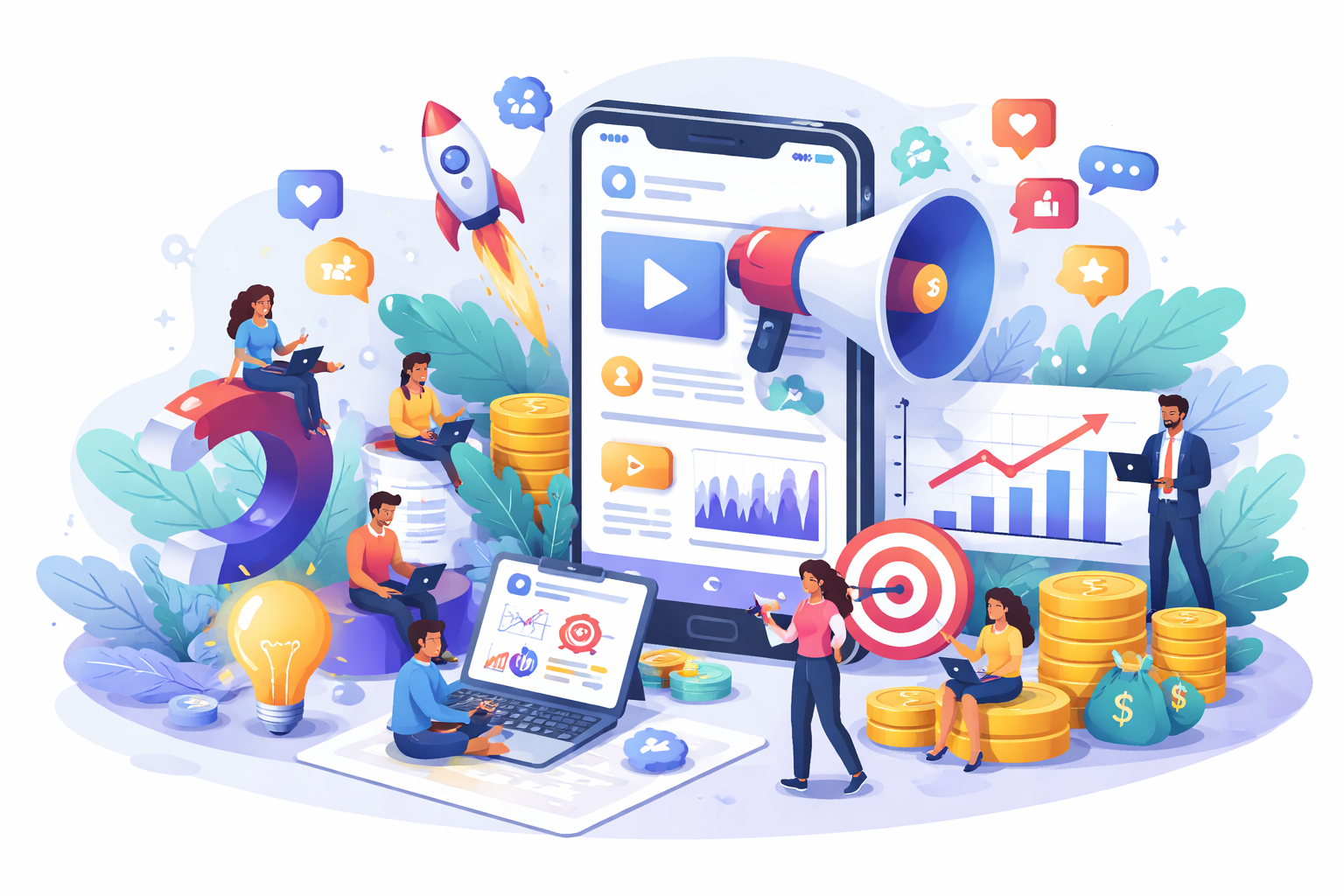
Marketing a mobile app effectively is as critical as developing it. Even the most innovative app can struggle to gain traction if it doesn’t reach the right audience. For businesses, startups, and entrepreneurs, understanding the fundamentals of mobile app marketing can make the difference between a successful launch and a product that fades into obscurity. In this article, we explore actionable strategies, essential considerations, and expert insights to help you promote your app and achieve measurable results.
Why App Marketing Matters
When you invest in creating an app, whether it’s for business growth or startup expansion, the goal is to reach users who find value in your product. Marketing ensures your app gets discovered, downloads increase, and user engagement remains high. Many startups overlook this step, focusing solely on development. However, without a marketing plan, even a high-quality app may fail to generate revenue or build a loyal user base.
The importance of marketing is further underscored by research highlighting why every startup needs a mobile app. Apps offer direct engagement, enhanced brand visibility, and a channel to communicate with your audience. Yet, these advantages only materialize when your marketing strategy effectively positions your app in front of potential users.
Define Your Target Audience
Understanding your audience is the foundation of successful app marketing. You need to know who will benefit most from your app, what problems it solves, and what motivates them to download and use it. Conducting market research, analyzing competitors, and building user personas are essential steps in this phase.
Consider demographics, behavior patterns, and user needs. For example, an app targeting fitness enthusiasts may focus on features like progress tracking, personalized workouts, and social sharing. Tailoring marketing campaigns to your ideal user ensures your messages resonate, increasing conversion rates and engagement.
Optimize Your App Store Presence
App Store Optimization (ASO) is crucial for discoverability. A well-optimized app listing improves visibility, attracts organic downloads, and enhances credibility. Focus on:
- Title and Keywords: Include relevant keywords naturally in your app title and description.
- Screenshots and Video: High-quality visuals showcase your app’s features and benefits.
- Ratings and Reviews: Encourage satisfied users to leave positive feedback, as reviews influence downloads.
- Regular Updates: Maintaining app quality is critical. Regular updates not only fix bugs but also improve functionality, which is why your app needs regular updates.
Optimizing your listing ensures that users searching for apps in your niche can easily find yours and understand why it’s valuable.
Craft a Pre-Launch Strategy
A successful app marketing campaign starts even before launch. Pre-launch strategies generate anticipation, build an early user base, and create momentum for your app. Some effective pre-launch tactics include:
- Landing Pages: Create a compelling landing page to collect email addresses of interested users.
- Teasers and Announcements: Use social media, blogs, and newsletters to tease upcoming features.
- Beta Testing: Invite early adopters to test your app, gather feedback, and encourage word-of-mouth promotion.
Understanding how long it really takes to develop a mobile app helps set realistic expectations for launch timelines and pre-launch marketing activities. Planning campaigns around development milestones ensures you have content and promotions ready when the app goes live.
Leverage Content Marketing
Content marketing is a powerful tool to attract and educate potential users. By creating blog posts, videos, case studies, and infographics, you can establish authority in your niche and guide users to download your app. Focus on content that highlights your app’s benefits, demonstrates use cases, or addresses common pain points.
For instance, sharing insights on why professional app development pays off can help business audiences understand the value of choosing a professionally developed app over off-the-shelf solutions. Content marketing also supports SEO, improving organic search visibility for your app.
Utilize Social Media Campaigns
Social media platforms provide direct access to potential users. Craft targeted campaigns based on your audience’s preferred platforms. Instagram, TikTok, Facebook, LinkedIn, and Twitter offer diverse opportunities for promoting apps, sharing updates, and engaging users.
Engage audiences through interactive content such as polls, live demos, and short tutorial videos. Social media ads can amplify reach, especially when targeting specific demographics. Consistent posting and engagement help create a community around your app, fostering loyalty and user retention.
Implement Paid Advertising
Paid advertising accelerates app visibility and can generate rapid downloads. Popular options include Google Ads, Apple Search Ads, Facebook Ads, and Instagram promotions. Paid campaigns allow precise targeting based on demographics, behavior, interests, and geography.
Set clear goals for each campaign, whether it’s increasing downloads, boosting engagement, or promoting a new feature. Analyze performance metrics regularly to optimize ads, reduce acquisition costs, and improve ROI. Investing in paid campaigns is particularly effective when coordinated with organic marketing efforts.
Collaborate with Influencers and Partners
Influencer marketing can dramatically increase app awareness, especially for niche audiences. Identify influencers who align with your brand and have a relevant following. Collaborations can range from sponsored posts to full app reviews, giving your app credibility and exposure.
Partnering with complementary businesses or platforms can also expand your reach. For example, co-marketing with companies offering related services creates mutually beneficial opportunities for promotion. A thoughtful collaboration strategy ensures your app gains traction with engaged audiences.
Focus on Retention and Engagement
Marketing doesn’t end at downloads. Retaining users and keeping them engaged is crucial for long-term success. Use push notifications, email campaigns, in-app messages, and personalized content to maintain interest. Understanding user behavior allows you to segment audiences and provide relevant experiences.
Retention strategies also include rewarding loyal users, offering incentives, and continually improving app features. Hiring the right team of app developer can ensure your app remains functional, scalable, and user-friendly, enhancing engagement over time.
Measure and Refine Your Strategy
A data-driven approach is key to successful marketing. Track metrics such as downloads, user retention, session duration, engagement rates, and ROI. Analyzing this data helps identify strengths, uncover weaknesses, and optimize campaigns.
Use A/B testing for landing pages, ad creatives, and push notifications to determine what resonates best with your audience. Refining your marketing approach based on measurable insights ensures continuous improvement and maximizes results.
Final Thoughts
Marketing your mobile app successfully requires a combination of strategy, creativity, and data-driven decision-making. From pre-launch planning to ongoing engagement, every step contributes to the app’s success. By defining your audience, optimizing your app store presence, leveraging content and social media, and monitoring results, you create a sustainable marketing framework that attracts users and drives growth.