

Home Projects That Need Permits: A No-Stress Guide
November 25, 2025
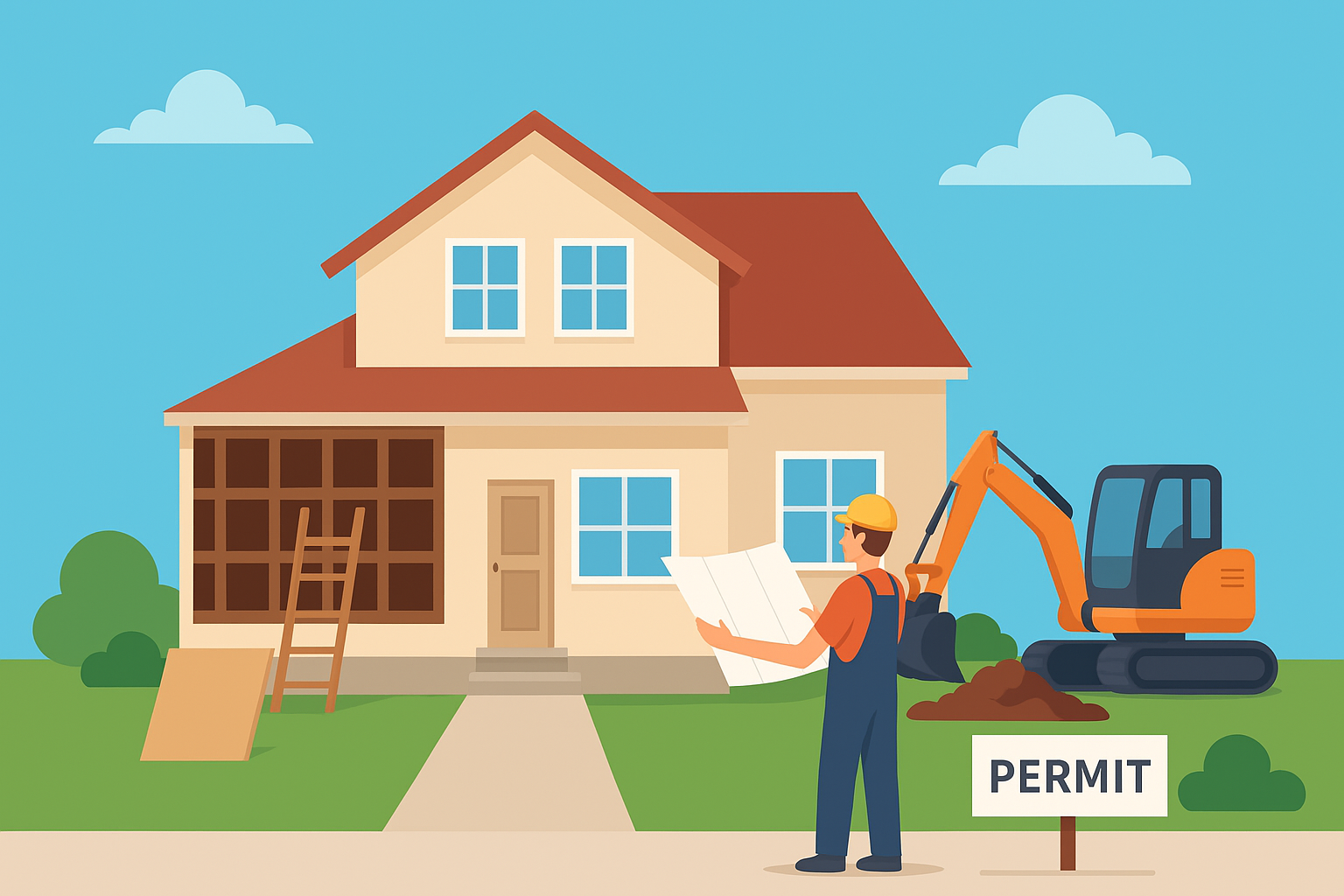
Planning a remodel is exciting, but before you start tearing down walls or updating systems, it’s important to understand which jobs legally require permits. Many homeowners assume permits are only for large renovations, yet even smaller upgrades can trigger regulatory rules depending on your city or county.
This guide breaks down home improvements that need permits, how the process works, and how to avoid costly mistakes. With clear explanations and short-tail internal links—including home improvement, electrical upgrades, plumbing projects, roofing services, pool installation, window replacements, doors, and hiring a professional—you’ll have everything you need to plan a compliant and stress-free project.
Why Permits Are a Non-Negotiable Part of Renovation
Protecting Your Home and Money
Permits exist to ensure renovations align with safety codes and are completed correctly. Without these regulations, a project may look fine on the surface but hide serious risks behind walls, ceilings, or flooring. A properly permitted job protects your household and prevents future problems during resale or insurance claims.
Avoiding Penalties and Delays
Skipping a required permit might save time upfront, but it can result in stop-work orders, fines, or the need to tear down completed work. Permits make your project legal and help you avoid stressful and expensive corrections later.
Clearing Up Common Misconceptions
Many homeowners believe permits are optional unless you’re doing a major construction job. Others think contractors always handle it automatically. In reality, the rules vary widely by location, project size, and type of work. Understanding what applies to your property prevents misunderstandings and costly missteps.
Home Improvements That Require Permits
Structural Changes
When Modifying Your Home’s Structure
Any work that affects the framework of your home typically requires approval. This includes:
- Removing or altering load-bearing walls
- Changing foundation layout
- Adding beams or structural supports
- Modifying staircases or major framing
Because these components affect stability, cities require detailed plans and inspections to verify the work is safe and code-compliant.
Electrical Updates and System Improvements
Projects That Usually Require Approval
Electrical work involves fire safety, which is why many upgrades need permits. Whether you’re updating old wiring, expanding electrical capacity, or installing new circuits, securing approval is essential.
Common electrical upgrades that require permits include:
- Rewiring or adding new wiring
- Installing new breaker panels
- Adding outdoor electrical systems
- Installing recessed lighting
Even small upgrades can require approval depending on your area, so it’s wise to ask before starting.
Plumbing Adjustments and System Repairs
Plumbing Projects That Need Permits
Changes to the water supply or drainage systems can cause extensive damage if done incorrectly. That’s why most plumbing projects require permits.
Typical plumbing jobs that need approval include:
- Installing new pipes or relocating existing lines
- Setting up a new bathroom
- Updating sewer connections
- Installing major fixtures like water heaters
A permitted plumbing job ensures everything meets safety and sanitation standards.
Roofing Repairs and Full Replacements
Permit Requirements for Roofing Work
Roofing doesn’t just protect your home—it impacts structural integrity. Local agencies want to ensure roofing jobs meet safety and weatherproofing standards.
Projects related to roofing services that may need permits:
- Full roof replacement
- Structural repairs to roof framing
- Adding skylights or roof openings
- Installing solar panel mounts
Even re-roofing may require approval depending on your city’s rules.
Additions and Home Expansions
Room Additions That Need Approvals
Expanding your home is one of the most permit-heavy projects. Whether you’re adding a bedroom, building a sunroom, or extending the kitchen, permits are almost always required.
Examples include:
- Converting basements or attics to living spaces
- Building a garage or attached room
- Enlarging the footprint of the home
- Adding a second story
Projects like these affect zoning, safety, and structural integrity—making permits necessary for compliance.
Pool Installations and Outdoor Living Upgrades
Permits for Pool Installation
Because pools involve electrical systems, plumbing, excavation, and safety rules, most areas require multiple approvals before construction begins.
Common pool installation permit requirements:
- In-ground and above-ground pool builds
- spa or hot tub setups
- Pool fence installation
- Deck or landscaping changes tied to the build
Regulations focus on preventing accidents and ensuring proper drainage and grounding.
Window and Door Replacements
When Simple Upgrades Need Permits
Replacing windows or doors seems simple, but many cities require approval—especially if structural modifications are involved.
Situations requiring permits include:
- Enlarging or reducing window openings
- Replacing windows with a new type (bay, casement, etc.)
- Changing exterior doors
- Impact-rated window replacements in hurricane-prone areas
These rules help ensure proper safety, insulation, and storm protection standards.
Home Improvements That Usually Don’t Require Permits
While many updates require approval, some basic tasks typically do not—though it varies by region. Always verify locally.
Common projects that often don’t require permits:
- Repairing or replacing plumbing fixtures
- Installing window grills
- Painting or plastering
- Basic appliance installation
- Minor interior renovations
- Electrical repairs (not system-wide changes)
- Building fences under height limits
- Installing flooring
Even when a permit isn’t required, quality workmanship is essential to avoid issues later.
Frequently Asked Questions
Do I Really Need a Permit?
If the project alters your home’s structure, systems, or safety, then yes—you need one. Permits aren’t simply a formality; they ensure your renovation meets legal and safety standards.
How Long Does It Take To Get a Permit?
Processing time can vary widely depending on your city, workload, and the project’s complexity. Some permits take a few days, while others may take several weeks.
Can I Start My Project Before Getting the Permit?
It’s strongly discouraged. Starting without approval can lead to fines, forced demolition, or denial of future permit applications.
Are There Improvements That Don’t Need Permits?
Yes, but it depends on local regulations. Always check with your city or county office to avoid surprises.
What Happens If I Don’t Get a Permit?
Consequences can include:
- Fines and penalties
- Work stoppages
- Project removal orders
- Complications during home appraisal or sale
Skipping permits can cost far more than getting one.
Should I Apply for Permits Myself or Hire Someone?
You can apply on your own, but many homeowners prefer hiring a professional to handle the process. Professionals understand local code requirements and can speed up approval.
Conclusion
Home improvements are exciting and rewarding, but they must be done correctly—and legally. Whether you’re upgrading electrical systems, installing a new roof, expanding your space, or planning a major plumbing change, knowing which projects require permits protects you from fines, delays, and safety hazards.
By understanding the rules, using qualified pros, and planning ahead, you’ll enjoy a smooth renovation that boosts your home’s value and keeps everything fully compliant.