

Easy Ways to Make Your Home More Energy-Efficient
July 17, 2026
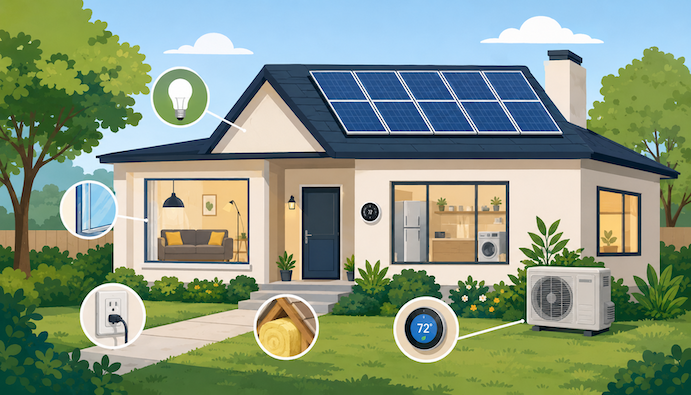
Making your home more energy-efficient is one of the smartest ways to lower monthly utility bills while creating a more comfortable living space. Whether you’re making small changes like switching to LED lighting or investing in larger upgrades such as solar panels and energy-efficient windows, every improvement can make a noticeable difference over time.
Today’s connected homes rely on multiple electronic devices, smart appliances, and constant internet access, all of which contribute to higher electricity consumption. If you’re working from home, streaming entertainment, or managing a smart home, reducing unnecessary energy waste has never been more important. In fact, understanding how your connected devices impact energy usage can help you make smarter decisions about both your home’s technology and electricity consumption. If you’re curious about the signs your home internet setup may need an upgrade, it’s worth considering how modern devices influence both performance and power usage.
In this guide, we’ll cover practical and affordable ways to make your home more energy-efficient, along with long-term improvements that can significantly reduce your electricity costs for years to come.
Why Home Energy Efficiency Matters
Improving your home’s energy efficiency isn’t just about saving money. It also helps reduce your environmental impact, extends the lifespan of many household systems, and creates a more comfortable indoor environment throughout the year.
Energy-efficient homes typically enjoy:
- Lower monthly electricity bills
- Reduced heating and cooling costs
- Better indoor comfort
- Higher property value
- Smaller carbon footprint
- Less strain on HVAC systems and appliances
The best part is that you don’t have to complete every upgrade at once. Even small improvements can add up to meaningful savings over time.
Replace Old Light Bulbs with LED Lighting
One of the easiest and most affordable ways to improve your home’s energy efficiency is by replacing outdated incandescent or CFL bulbs with LED lighting.
Many homes still rely on older bulbs that consume significantly more electricity than necessary. LEDs use a fraction of the energy while producing the same brightness, making them an excellent long-term investment.
Why LEDs Are Better
LED bulbs offer several advantages:
- Consume up to 75% less electricity
- Last up to 25 times longer than incandescent bulbs
- Produce less heat
- Require fewer replacements
- Lower overall maintenance costs
Replacing bulbs in frequently used spaces such as kitchens, living rooms, hallways, and outdoor fixtures can noticeably reduce your monthly electricity bill.
Unplug Chargers and Electronics You Aren’t Using
Many homeowners overlook one of the most common sources of wasted electricity: standby power.
Even when electronic devices appear to be turned off, many continue drawing electricity if they’re plugged into an outlet. Phone chargers, gaming consoles, televisions, printers, coffee makers, and other electronics can slowly increase your home’s energy consumption throughout the year.
Understanding Phantom Energy
An individual charger may only consume a small amount of electricity while sitting idle, but multiple devices operating around the clock can contribute a surprising amount to your annual energy costs.
Simple ways to eliminate phantom energy include:
- Unplug chargers after use.
- Use smart power strips that automatically cut standby power.
- Turn off entertainment systems completely.
- Disconnect seasonal electronics when they’re not in use.
These habits take only a few seconds but can lead to measurable savings over time.
Upgrade Drafty Windows for Better Insulation
Heating and cooling account for one of the largest portions of residential energy use. If your home has older windows, they may be allowing conditioned air to escape throughout the day.
Poor insulation forces your HVAC system to work harder to maintain comfortable indoor temperatures, especially during hot summers and cold winters.
Benefits of Modern Energy-Efficient Windows
Newer windows are designed with advanced insulation technologies, including:
- Double or triple-pane glass
- Low-E coatings
- Argon gas insulation
- Improved weather sealing
These features help keep cool air inside during summer and warm air inside during winter.
Replacing aging windows can dramatically reduce heating and cooling costs while making every room more comfortable.
Improve Your Home’s Insulation
Even the most efficient heating and cooling system can’t perform well if your home lacks proper insulation.
Heat naturally moves from warmer areas to cooler ones. Without adequate insulation, your home loses conditioned air through the attic, walls, crawl spaces, and roof.
Areas worth inspecting include:
- Attic insulation
- Exterior walls
- Basement ceilings
- Garage walls
- Around plumbing and electrical openings
Sealing small air leaks around windows, doors, vents, and utility penetrations can also improve efficiency without requiring major renovations.
Upgrade to Energy-Efficient Appliances
Older appliances often consume considerably more electricity than newer ENERGY STAR® certified models.
While replacing appliances requires a larger investment upfront, the long-term savings often offset the purchase cost through reduced utility bills.
Consider upgrading:
- Refrigerators
- Dishwashers
- Washing machines
- Dryers
- Water heaters
- HVAC systems
Modern appliances are designed to deliver better performance while using less electricity and water.
Install a Smart Thermostat
Heating and cooling systems frequently run longer than necessary because of outdated thermostat settings.
A smart thermostat learns your daily routine and automatically adjusts temperatures based on occupancy and scheduling.
Benefits include:
- Lower heating costs
- Reduced cooling expenses
- Remote smartphone control
- Automatic scheduling
- Better comfort throughout the day
Small temperature adjustments made consistently throughout the year can produce significant savings.
Reduce Water Heating Costs
Water heating is another major contributor to household energy use.
Simple adjustments can reduce unnecessary energy consumption without sacrificing comfort.
Try these strategies:
- Lower your water heater temperature slightly.
- Install low-flow showerheads.
- Wash clothes with cold water whenever possible.
- Repair leaking faucets promptly.
- Insulate exposed hot water pipes.
These changes require minimal effort while lowering both electricity and water bills.
Switch to Solar Energy for Long-Term Savings
For homeowners looking to make the biggest impact on their energy costs, solar energy remains one of the most effective solutions available.
Solar panels generate clean electricity using sunlight, allowing homeowners to reduce dependence on traditional utility providers while lowering monthly electric bills.
Before making the investment, it’s important to understand what homeowners should know before installing residential solar panels, including roof suitability, system sizing, financing options, and expected energy production.
Benefits of Solar Panels
Installing solar panels can provide:
- Lower monthly utility bills
- Renewable clean energy
- Increased home value
- Reduced carbon emissions
- Protection against rising electricity rates
Depending on your location and energy usage, a properly designed solar system may significantly offset or even eliminate much of your monthly electricity costs.
If you’re planning a solar installation, it’s also helpful to understand what determines the overall cost of installing a solar panel system so you can budget accurately and compare available options.
Build Energy-Efficient Habits Every Day
Large home improvements aren’t the only way to save energy.
Small daily habits can make a noticeable difference when practiced consistently.
Examples include:
- Turn off lights when leaving a room.
- Use natural daylight whenever possible.
- Run full loads in your dishwasher and washing machine.
- Clean HVAC filters regularly.
- Close blinds during hot afternoons.
- Open windows during cooler evenings when weather allows.
These simple routines reduce unnecessary energy consumption without requiring additional investment.
Monitor Your Home’s Energy Usage
Many utility companies now provide online dashboards that show hourly or daily electricity usage.
Monitoring your consumption can help identify:
- Unexpected spikes
- High-energy appliances
- Seasonal trends
- Opportunities to reduce waste
Some homeowners also install smart home energy monitors that provide real-time electricity data, making it easier to adjust habits and improve efficiency.
Frequently Asked Questions
How can I make my home more energy-efficient without spending a lot of money?
Start with low-cost improvements such as replacing old light bulbs with LEDs, unplugging unused electronics, sealing air leaks around doors and windows, and adjusting your thermostat settings.
Do LED light bulbs really save money?
Yes. LED bulbs use significantly less electricity than incandescent bulbs and last much longer, helping reduce both energy costs and replacement expenses.
Are solar panels worth installing?
For many homeowners, solar panels provide substantial long-term savings by generating clean electricity and reducing dependence on utility companies. The exact return on investment depends on your location, roof, and electricity usage.
What uses the most electricity in a home?
Heating and cooling systems typically consume the most electricity, followed by water heaters, refrigerators, clothes dryers, and older appliances.
How often should HVAC filters be replaced?
Most HVAC filters should be inspected monthly and replaced every one to three months, depending on usage, pets, and indoor air quality.
Final Thoughts
Making your home more energy-efficient doesn’t require an expensive renovation overnight. Small improvements like upgrading to LED lighting, eliminating standby power, improving insulation, and replacing inefficient appliances can steadily lower your electricity bills while increasing indoor comfort.
For homeowners ready to maximize long-term savings, investing in solar energy offers one of the most impactful upgrades available. Combined with everyday energy-saving habits, these improvements can reduce household expenses, increase property value, and support a more sustainable future.
If you’re looking for additional ways to lower household energy costs throughout the year, exploring practical ways to reduce electricity use during colder months can help you build energy-saving habits that work in every season.
Go Solar & Get Smart Energy