

Digital Marketing Trends to Watch in 2026
January 6, 2026
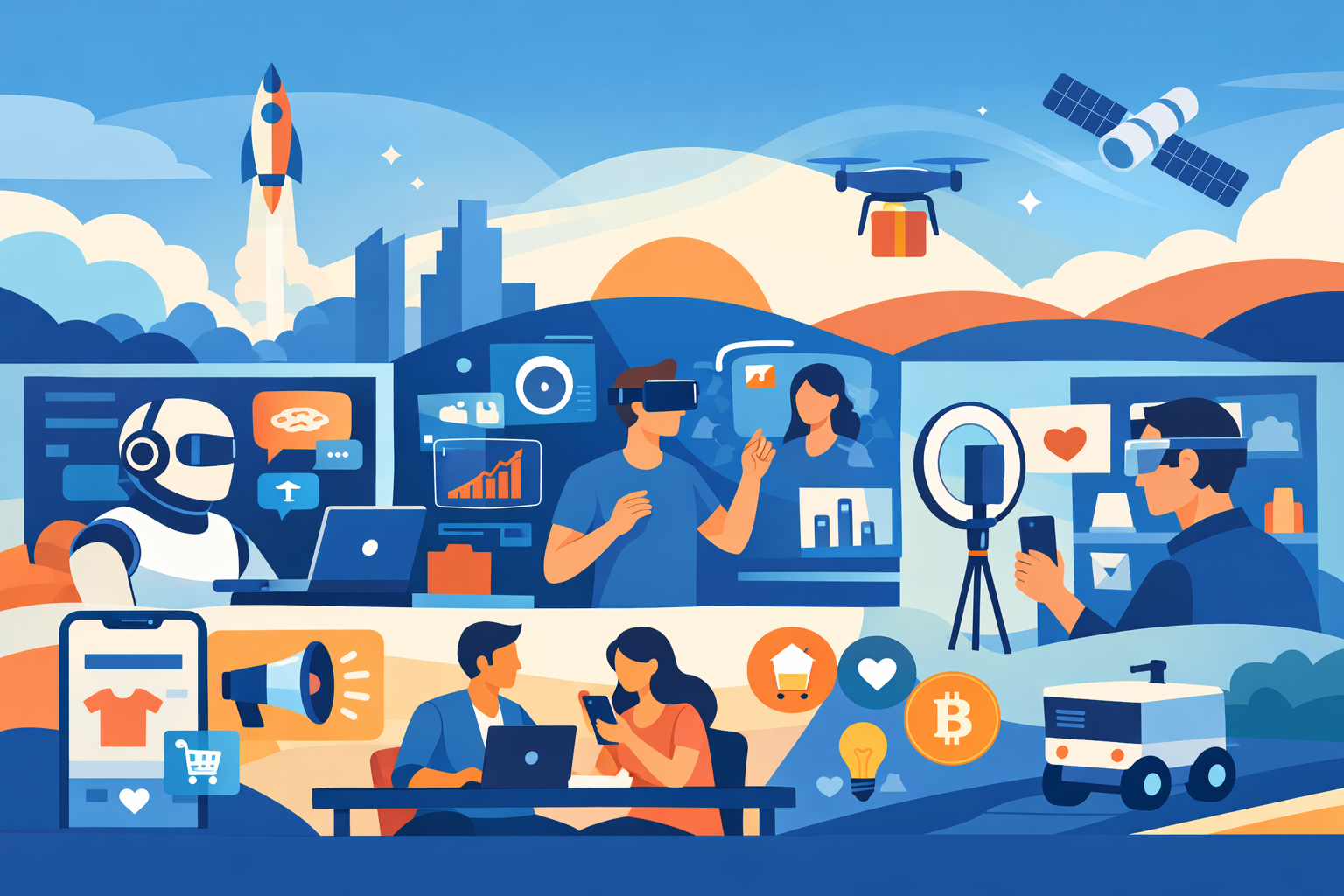
Digital marketing continues to evolve at lightning speed. What worked last year may not deliver the same results today, and staying ahead of the curve is essential for businesses aiming to reach their audience effectively. From emerging technologies to shifting consumer behaviors, marketers must adapt their strategies to remain competitive.
1. Artificial Intelligence and Automation
AI is no longer a futuristic concept—it’s now a core part of digital marketing strategies. From chatbots providing instant customer support to AI-driven content creation, automation tools are helping marketers save time and improve accuracy.
Key applications include:
- Personalized product recommendations
- Predictive analytics for customer behavior
- Automated email campaigns
Businesses that integrate AI can deliver more relevant experiences, improving engagement and conversion rates.
2. Short-Form Video Content
Short-form video continues to dominate social media platforms, including Instagram Reels, TikTok, and YouTube Shorts. Consumers prefer quick, engaging content that delivers value in seconds.
Tips for marketers:
- Focus on storytelling in under 60 seconds
- Include captions and clear calls-to-action
- Repurpose longer content into bite-sized clips
Brands using short-form videos effectively can boost engagement and reach younger audiences who consume content on mobile devices.
3. Voice Search Optimization
With smart speakers and voice assistants becoming mainstream, optimizing for voice search is increasingly important. Voice queries tend to be longer and more conversational, so traditional keyword strategies may not suffice.
How to optimize:
- Use natural language and question-based phrases
- Focus on local SEO to capture nearby customers
- Ensure your website loads quickly and is mobile-friendly
Voice search optimization can improve visibility and attract more organic traffic.
4. Personalization and Customer Experience
Consumers expect tailored experiences at every touchpoint. Personalization goes beyond addressing users by name—it involves delivering content, offers, and recommendations that match their interests and behavior.
Effective strategies include:
- Segmenting email lists based on past interactions
- Showing personalized product suggestions on your website
- Using retargeting ads to reach users with relevant content
Brands that prioritize personalization see higher engagement, loyalty, and conversions.
5. Social Commerce
Shopping directly through social media is on the rise, making social commerce an essential channel. Platforms like Instagram, Facebook, and TikTok now allow seamless transactions without leaving the app.
Best practices:
- Use shoppable posts to showcase products
- Highlight user-generated content to build trust
- Optimize your social storefront for mobile users
Integrating social commerce helps businesses meet customers where they already spend their time online.
6. Sustainability and Ethical Marketing
Consumers are increasingly aware of a brand’s values and environmental impact. Transparent, ethical marketing is no longer optional—it’s a differentiator.
How brands can adapt:
- Highlight eco-friendly practices in campaigns
- Share authentic stories about social responsibility
- Avoid greenwashing by being honest and actionable
Companies that communicate their values effectively strengthen trust and loyalty among conscious consumers.
7. Interactive Content
Interactive content engages audiences in a way static posts cannot. Quizzes, polls, calculators, and augmented reality experiences encourage participation and increase dwell time.
Benefits of interactive content:
- Higher engagement and click-through rates
- Better lead generation through quizzes or surveys
- Enhanced understanding of audience preferences
Interactive experiences make marketing memorable and drive stronger connections with your audience.
Conclusion
Digital marketing is constantly changing, and staying informed about emerging trends is key to maintaining a competitive edge. By incorporating AI, short-form video, voice search optimization, personalization, social commerce, ethical marketing, and interactive content into your strategy, you can better engage your audience and drive meaningful results.
Adapting to these trends will help your brand remain relevant, deliver exceptional experiences, and achieve long-term growth.