

Local SEO Tricks That Help Businesses Win on Google Maps
May 28, 2026
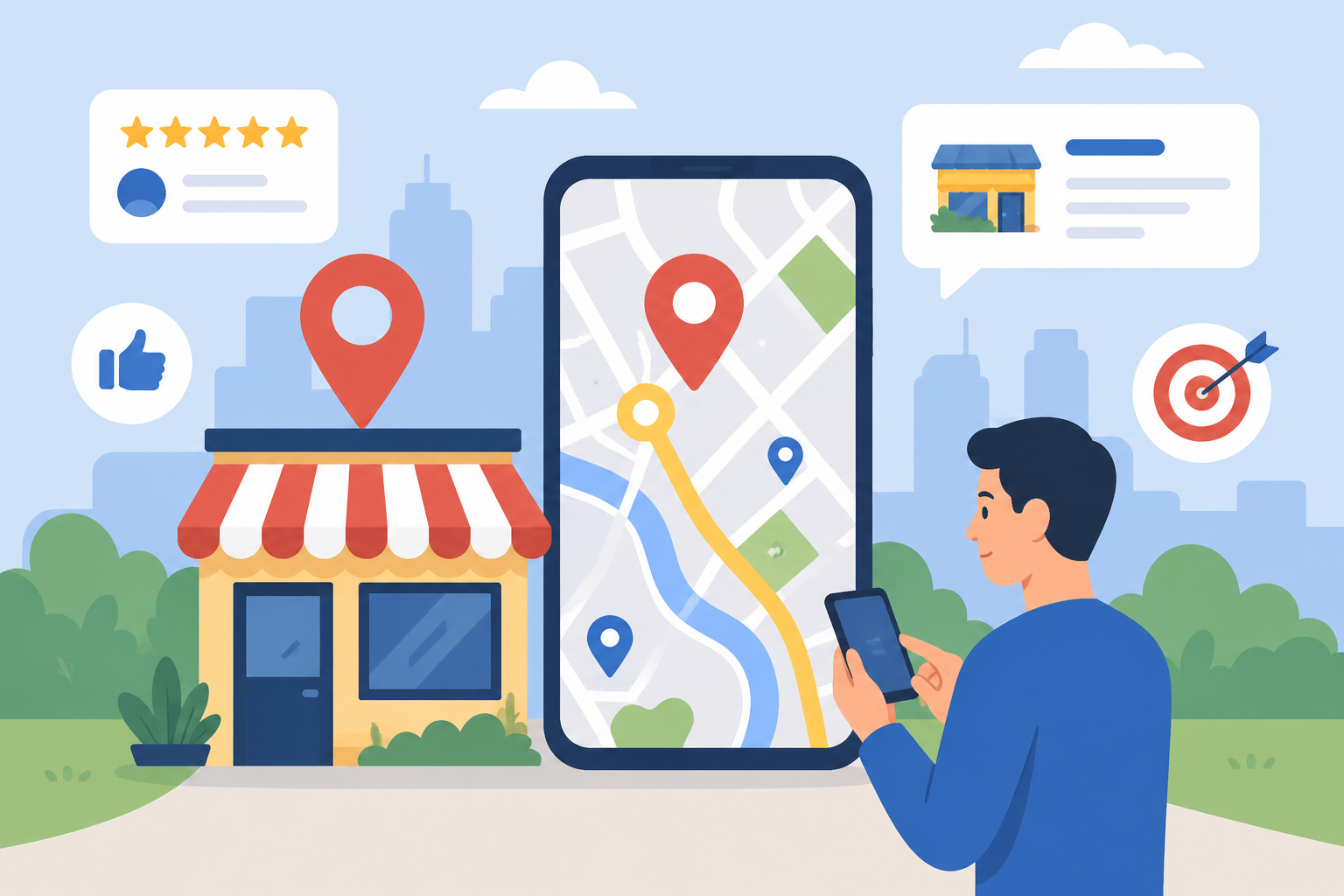
Local visibility is no longer optional. When customers search for services “near me,” Google Maps is often the first place they look—and the businesses that appear at the top capture the majority of clicks, calls, and foot traffic. If your business is not showing up prominently in local map results, you are likely losing high-intent customers to competitors who are.
This blog breaks down proven local SEO strategies that help businesses dominate Google Maps results. These approaches are built for long-term growth, consistent lead generation, and measurable impact—making them especially valuable for businesses looking to attract more local customers without relying entirely on paid advertising.
Why Google Maps Visibility Matters for Local Businesses
Search behavior has changed. Today’s customers want fast answers and nearby options they can trust. Google Maps delivers both, placing businesses directly in front of users who are ready to call, visit, or book.
Appearing in top map results builds instant credibility. Reviews, photos, proximity, and accurate business details create confidence before a customer even clicks through to your website. When local SEO is executed correctly, Google Maps becomes one of the highest-converting traffic sources available.
How Google Ranks Businesses in Google Maps
To dominate Google Maps, you need to understand how rankings are determined. Google evaluates local results using three core factors.
Relevance
Relevance measures how closely your business matches what someone is searching for. This includes your business categories, service descriptions, website content, and customer reviews.
Distance
Distance refers to how close your business is to the searcher or the location specified in the query. While you can’t control proximity, you can clearly define your service areas and locations to improve visibility.
Prominence
Prominence reflects how well-known and trusted your business appears online. Reviews, citations, backlinks, and overall brand authority all influence this factor.
Strong local SEO strategies address all three areas simultaneously.
Optimizing Your Google Business Profile for Map Rankings
Your Google Business Profile is the foundation of local SEO success. An incomplete or poorly optimized profile limits your visibility no matter how strong your website is.
Selecting Accurate Business Categories
Your primary category should reflect your core service, not a broad or generic label. Secondary categories should support related offerings without diluting focus. Category accuracy directly affects relevance in Google Maps results.
Writing a Clear and Trustworthy Business Description
Your description should explain what you do, who you serve, and what makes your business stand out. This is also where clarity helps with lead conversion by answering key questions before users reach your website.
Ensuring Consistent Business Information
Your name, address, phone number, and website must be identical across your Google Business Profile, website, and all listings. Inconsistent details weaken trust and reduce ranking potential.
Using Reviews to Increase Visibility and Trust
Reviews are one of the strongest local ranking signals and one of the most influential conversion factors.
Encouraging Ongoing Customer Feedback
A steady stream of authentic reviews signals activity and relevance. Businesses with consistent reviews tend to outperform competitors with outdated or stagnant profiles.
Responding to Reviews Professionally
Replying to reviews shows engagement and reinforces trust. It also adds fresh content to your profile, which supports visibility in local search.
Leveraging Natural Keywords in Reviews
Customer-written reviews often include service names, locations, and experiences. These organic mentions help Google better understand what your business is known for locally.
Building Local Citations That Strengthen Authority
Citations are online mentions of your business across directories, platforms, and local websites. They validate your business’s existence and location.
Prioritizing High-Quality Listings
Well-known directories, local business associations, and industry-specific platforms provide stronger authority signals than low-quality listing sites.
Maintaining Consistency Across Platforms
Even small formatting differences can reduce citation effectiveness. Consistency reinforces trust signals that support broader digital marketing performance.
Expanding Beyond Basic Directories
Local sponsorships, community websites, and regional publications provide valuable citation opportunities that competitors often overlook.
Creating Localized Website Content That Supports Map Rankings
Your website plays a direct role in Google Maps performance by reinforcing relevance and authority.
Developing Location-Specific Pages
Service area and location pages should clearly describe where you operate and how you help customers in those areas. Avoid thin content—each page should provide genuine value.
Embedding Maps and Structured Data
Embedding your Google Map on relevant pages strengthens location signals. Local business schema helps search engines interpret your business details accurately.
Supporting User Experience and Conversions
Local traffic is high-intent traffic. When your site experience aligns with strong marketing basics, visitors are more likely to call, book, or request a quote.
Earning Local Backlinks That Improve Prominence
Backlinks remain a key ranking factor for Google Maps, especially when they come from locally relevant sources.
Partnering With Local Organizations
Links from local chambers of commerce, events, charities, and businesses send strong geographic relevance signals.
Leveraging Local PR and Media Mentions
Coverage in local publications builds authority while increasing brand awareness in your service area.
Aligning SEO With Broader Marketing Efforts
These authority signals complement comparisons between offline and online approaches, reinforcing why digital visibility often outperforms traditional methods over time.
Improving Behavioral Signals That Influence Rankings
Google evaluates how users interact with your listing.
Encouraging Meaningful Actions
Phone calls, direction requests, website clicks, and photo views all signal usefulness and relevance.
Adding High-Quality Photos Regularly
Photos increase engagement and trust. Businesses with fresh visuals tend to attract more interactions and higher rankings.
Keeping Profiles Active
Regular updates and posts signal activity, reinforcing your position in competitive local markets.
Managing Local SEO for Multi-Location Businesses
Multi-location businesses require structured, scalable local SEO systems.
Separate Profiles for Each Location
Each location needs its own Google Business Profile, landing page, and citation footprint.
Consistent Branding Across Locations
Messaging, service quality, and branding should remain consistent while allowing for local relevance.
Centralized Strategy, Local Execution
This balance ensures quality and performance remain strong as your business grows.
Measuring Local SEO Success Beyond Rankings
Local SEO performance should be evaluated using business-focused metrics.
Tracking High-Intent Actions
Monitor calls, form submissions, and direction requests—not just impressions.
Using Insights to Optimize Strategy
Google Business Profile insights and analytics reveal what drives real customer engagement.
Aligning SEO With Revenue Goals
Local SEO should support growth, not vanity metrics. Clear reporting connects visibility to results.
Why Local SEO Is a Long-Term Growth Advantage
Local SEO compounds over time. Once your business establishes authority and trust, Google Maps visibility becomes a consistent source of qualified leads without escalating costs.
Businesses that invest in local SEO early often dominate their markets while competitors struggle to gain traction.
Rank for your target keywords and increase your search visibility on Google Organic Results.
Final Thoughts
Dominating Google Maps is not about shortcuts. It’s about building relevance, trust, and visibility where customers are actively searching. When executed strategically, local SEO becomes one of the most powerful client acquisition channels available.
For businesses focused on sustainable growth, Google Maps optimization is no longer optional—it’s essential.