

Can Solar Panels Power Your Entire Home?
July 16, 2026
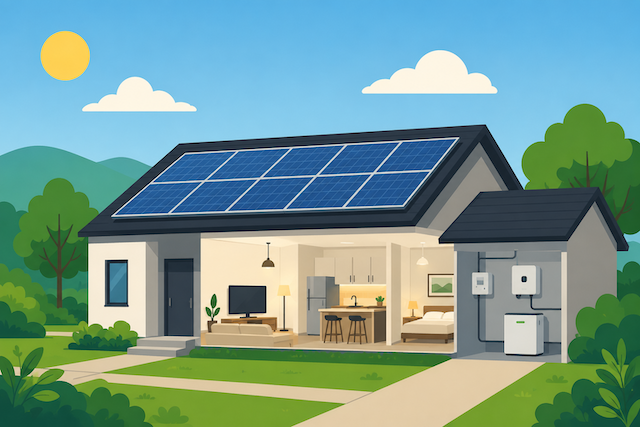
Switching to solar energy is becoming a popular choice for homeowners who want more control over their electricity costs, reduce their environmental impact, and gain greater energy independence. With improvements in solar panel efficiency and home energy technology, many people are asking an important question: Can solar panels completely power my home?
The answer depends on several factors, including your household’s electricity usage, roof conditions, location, available sunlight, and whether you include battery storage with your solar system. While some homes can generate enough solar energy to cover nearly all of their electricity needs, others may require a combination of solar power and traditional electricity from the grid.
A properly designed home solar system can significantly reduce your monthly utility bills while providing a cleaner and more sustainable energy solution. Understanding how solar power works and what factors affect system performance can help you determine whether going solar is the right choice for your home.
How Solar Panels Can Power Your Home
Solar panels work by converting sunlight into electricity through photovoltaic (PV) cells. When sunlight hits the solar panels installed on your roof, the system generates direct current (DC) electricity. An inverter then converts that electricity into alternating current (AC) power, which is the type of electricity used by most household appliances.
During sunny hours, your solar system can produce electricity to power everyday needs such as:
- Lighting and electronics
- Heating and cooling systems
- Kitchen appliances
- Home office equipment
- Electric vehicles
- Smart home devices
If your solar panels produce more electricity than your home uses, the extra energy can often be sent back to the electrical grid through a process called net metering. Depending on your location and utility provider, you may receive credits that help offset future electricity costs.
For homeowners interested in understanding their solar options, installing a professionally designed solar energy system for your home can provide a customized solution based on your energy needs and property conditions.
Can a Home Run Completely on Solar Power?
Yes, a home can potentially run entirely on solar power, but achieving complete energy independence requires careful planning. A solar system must be large enough to generate sufficient electricity throughout the year, including periods when sunlight is limited.
Several factors determine whether solar panels can fully power your home:
Your Household Energy Consumption
The first step is understanding how much electricity your home uses. Every household has different energy demands based on the number of residents, appliances, lifestyle habits, and heating or cooling requirements.
For example, a home with energy-efficient appliances and moderate electricity usage will require fewer solar panels than a larger home with high energy consumption.
Reviewing your past electricity bills can help determine your average monthly and yearly energy usage. Solar professionals can use this information to calculate the right system size and recommend the number of panels needed to meet your goals.
Your Roof Size and Condition
Your roof plays an important role in determining how much solar energy your home can generate. A larger roof with plenty of direct sunlight provides more space for solar panels, increasing the amount of electricity your system can produce.
Roof direction and angle also affect performance. In many areas, roofs that receive consistent sunlight throughout the day provide better solar production.
Before installing solar panels, homeowners should also consider the age and condition of their roof. If your roof needs repairs or replacement soon, completing those improvements before solar installation may prevent additional costs later.
Your Location and Sunlight Exposure
Solar panels depend on sunlight, so your geographic location has a major impact on energy production. Homes in areas with more sunny days typically generate more solar electricity than homes in regions with frequent cloud cover or shorter daylight hours.
However, solar panels can still produce electricity in less-than-perfect conditions. Modern solar technology is designed to capture available sunlight efficiently, allowing systems to generate power even when the weather is not completely sunny.
Energy Storage With Solar Batteries
One of the biggest challenges with relying entirely on solar power is that solar panels only generate electricity when sunlight is available. At night or during extended cloudy periods, your panels may not produce enough energy to meet your home’s needs.
Solar battery storage helps solve this problem by storing excess electricity produced during the day. That stored energy can then be used when your panels are not generating power.
For homeowners who want greater energy independence, combining solar panels with battery storage can reduce reliance on the electrical grid and provide backup power during outages.
How Many Solar Panels Do You Need to Power a Home?
The number of solar panels required depends on your home’s electricity usage and the amount of sunlight your property receives. There is no universal number that works for every household.
A smaller home with lower energy consumption may only need a limited number of panels, while a larger home with higher electricity usage may require a much larger solar array.
Other factors that influence the number of solar panels needed include:
- Average daily electricity consumption
- Solar panel efficiency rating
- Roof space availability
- Local climate conditions
- Household energy goals
- Future electricity needs
Many homeowners underestimate how much electricity they use because energy consumption is spread across many appliances and systems. A detailed energy assessment can provide a clearer picture of your requirements.
To better estimate your needs, homeowners can review their electricity usage and learn more about calculating the number of solar panels needed before choosing a solar installation plan.
What Happens When Solar Panels Produce More Energy Than You Use?
A common concern among homeowners is what happens when their solar system generates more electricity than they need. In many cases, excess electricity does not go to waste.
During sunny periods, solar panels may produce more energy than your household consumes. That extra electricity can either be stored in a battery system or sent back to the local power grid.
With net metering programs, utility companies may provide credits for the extra electricity your system sends to the grid. These credits can help reduce future electricity expenses when your solar panels produce less energy.
This system allows homeowners to maximize the value of their solar investment while maintaining access to reliable electricity when needed.
How Much Does It Cost to Install Solar Panels?
The cost of installing solar panels varies depending on several factors, including system size, equipment selection, installation requirements, and available incentives.
While the initial investment may seem significant, solar energy can provide long-term financial benefits by reducing monthly electricity expenses. Many homeowners recover their investment over time through energy savings.
Solar installation costs may be affected by:
- Number of solar panels required
- Type and efficiency of panels
- Battery storage options
- Roof preparation needs
- Installation complexity
- Local incentives and tax benefits
Advancements in solar technology and financing options have made renewable energy more accessible for many homeowners. Programs such as solar financing and available tax incentives can help reduce upfront costs.
Homeowners can also explore ways to reduce energy expenses with solar power while improving their home’s long-term energy efficiency.
Benefits of Powering Your Home With Solar Energy
Installing solar panels is about more than simply reducing your electricity bill. For many homeowners, solar energy provides a combination of financial savings, environmental benefits, and greater control over their energy usage.
As electricity prices continue to change over time, producing your own power can help protect your household from rising utility costs.
Lower Monthly Electricity Bills
One of the biggest reasons homeowners choose solar panels is the opportunity to reduce monthly electricity expenses.
A properly sized solar system can offset a significant portion of your energy usage. Depending on your location, energy consumption, and system design, you may be able to reduce your electricity bill dramatically or even eliminate most of your monthly energy costs.
The amount of savings will vary from home to home, but the long-term financial benefits can make solar a valuable investment.
Increased Energy Independence
Traditional homes depend entirely on electricity supplied by utility companies. When energy prices increase or power interruptions occur, homeowners have limited control over their energy supply.
Solar panels provide a way to generate your own electricity directly from sunlight. When combined with battery storage, a solar system can provide additional protection during power outages and reduce dependence on the traditional electrical grid.
This increased energy independence gives homeowners more control over how their energy is produced and used.
Environmentally Friendly Energy Solution
Solar power is a renewable energy source that uses sunlight to generate electricity without producing harmful emissions during operation.
By switching to solar, homeowners can reduce their dependence on fossil fuels and lower their household’s carbon footprint. Even a partial transition to solar energy can contribute to cleaner energy use and a more sustainable future.
Potential Increase in Home Value
Energy-efficient features are becoming increasingly attractive to homebuyers. A professionally installed solar system can make a property more appealing by offering lower energy costs and modern energy technology.
Many buyers recognize the value of a home that already has solar panels installed because it can provide immediate energy savings without requiring them to complete the installation process themselves.
Can Solar Panels Work During a Power Outage?
A common misconception is that solar panels automatically provide electricity during a power outage. In most standard grid-connected solar systems, this is not the case.
For safety reasons, traditional solar systems usually shut down when the electrical grid goes offline. This prevents electricity from flowing back into power lines while utility workers are making repairs.
However, homeowners who want backup power can add a solar battery storage system. A battery allows stored solar energy to be used when the grid is unavailable.
A complete solar-plus-storage setup can provide backup electricity for essential appliances, lighting, and important home systems during outages.
Is Going Completely Off-Grid With Solar Possible?
Living completely off-grid with solar power is possible, but it requires careful planning and the right equipment.
An off-grid solar system must produce and store enough energy to meet your household’s needs throughout the year. This usually requires:
- A properly sized solar panel system
- Battery storage capacity
- Energy-efficient appliances
- Careful electricity management
- Backup energy planning
For homes in remote locations or areas with unreliable grid access, an off-grid solar system can provide a reliable alternative. However, many homeowners prefer a grid-connected solar system because it combines solar savings with the reliability of traditional electricity.
The best option depends on your energy goals, location, budget, and lifestyle.
How to Determine If Your Home Is Ready for Solar Panels
Before investing in solar energy, it is important to evaluate whether your property is suitable for installation.
A solar professional can review several factors, including your electricity usage, roof condition, sunlight exposure, and future energy needs.
Here are a few important questions to consider:
Does Your Roof Receive Enough Sunlight?
Solar panels perform best when they receive consistent sunlight throughout the day. Homes with large shaded areas from trees, buildings, or other structures may require adjustments to maximize energy production.
A solar assessment can help determine the best panel placement and system design.
Is Your Electricity Usage High Enough to Benefit?
Homes with higher electricity consumption often have greater opportunities to save with solar energy. Households that use significant amounts of power for air conditioning, appliances, or electric vehicles may benefit from generating their own electricity.
However, even homes with lower energy usage can still benefit from solar depending on local electricity rates and available incentives.
Are You Planning Future Energy Upgrades?
When designing a solar system, it is important to think about future changes.
For example, if you plan to purchase an electric vehicle, upgrade appliances, or expand your home, your future electricity needs may increase.
Planning ahead can help ensure your solar system continues meeting your household’s needs for years.
Frequently Asked Questions About Using Solar Panels to Power a Home
Can solar panels power a house 100%?
Yes, solar panels can potentially power a home completely, but the system must be properly designed based on your energy usage, sunlight availability, and storage needs. Some homes may require battery storage to achieve full energy independence.
How long do solar panels last?
Most modern solar panels are designed to last 25 years or more. While energy production may gradually decrease over time, quality solar panels can continue generating electricity for decades with proper maintenance.
Do solar panels work on cloudy days?
Yes, solar panels can still generate electricity on cloudy days. Although production may be lower compared to sunny conditions, modern solar technology can capture available sunlight even when skies are overcast.
Will solar panels eliminate my electricity bill?
Solar panels can significantly reduce electricity bills, and some homeowners may offset nearly all of their energy costs. However, final savings depend on system size, electricity usage, utility policies, and whether additional fees apply.
Should I install solar panels with battery storage?
Battery storage is a good option for homeowners who want backup power, increased energy independence, or the ability to use stored solar energy at night. Whether it is necessary depends on your specific goals and energy needs.
Make the Solar Energy Switch Today
Solar panels can provide enough electricity to power an entire home when the system is properly designed and matched to your household’s energy requirements. Factors such as electricity usage, roof conditions, sunlight exposure, and battery storage all play an important role in determining how much energy your solar system can produce.
For many homeowners, solar energy offers a practical way to lower monthly expenses, improve energy independence, and make a positive environmental impact.
If you are considering making the transition to renewable energy, working with experienced solar professionals can help you choose the right system for your home and long-term goals.
