

What Is PPC in Marketing? Simple Guide for Beginners
July 27, 2026
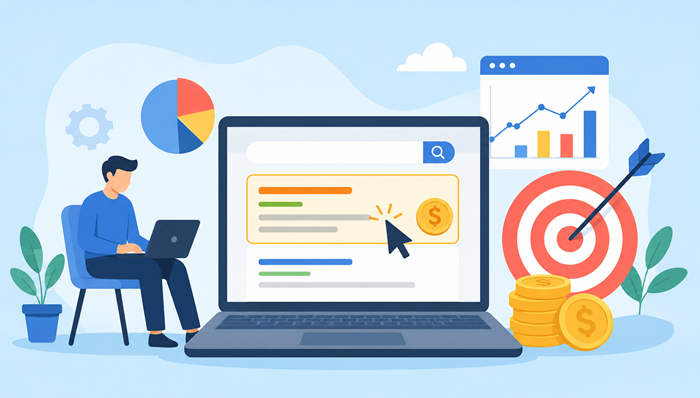
Online competition continues to grow, making it harder for businesses to stand out in search results. That’s where PPC comes in. This advertising model helps businesses reach interested customers almost instantly by displaying ads to people actively searching for relevant products or services. Understanding the basics of PPC can help you invest your marketing budget more effectively and achieve better business results.
In this guide, you’ll learn what ppc means, how it works, why businesses use it, and how to get better results from your campaigns.
What Is PPC in Marketing?
Pay-Per-Click is an online advertising model where advertisers pay only when someone clicks on their advertisement. Instead of paying simply to display an ad, you’re charged only when a potential customer visits your website.
These paid listings commonly appear at the top of search engine results, making them one of the fastest ways to reach people who are actively searching for your products or services.
Many businesses combine this strategy with professional ppc management services to improve campaign performance, reduce wasted spending, and maximize return on investment.
How PPC Works
The process is straightforward:
- Choose relevant keywords your audience searches for.
- Create compelling advertisements.
- Set your daily or monthly budget.
- Bid on selected keywords.
- When users search those terms, your ads may appear.
- You pay only if someone clicks your listing.
Search engines evaluate several factors before displaying advertisements, including keyword relevance, landing page quality, expected click-through rate, and bid amount.
Why Businesses Use Paid Search
One of the biggest advantages is speed. Unlike long-term marketing strategies that may take months to show measurable improvements, paid campaigns can begin driving traffic shortly after launch.
Businesses often invest in this approach because it offers:
- Immediate visibility in search results
- Highly targeted audience reach
- Flexible budgets
- Measurable campaign performance
- Better lead generation opportunities
- Complete control over spending
Many companies also combine paid search with broader digital marketing services to build a more balanced online growth strategy.
Where PPC Ads Appear
The most common placements include:
Search Engine Results
These advertisements appear above or below organic search listings when users search for relevant keywords.
Display Networks
Banner advertisements appear across websites, blogs, and mobile apps that participate in advertising networks.
Shopping Results
Retail businesses can display product images, pricing, and reviews directly in search results.
Video Platforms
Video advertisements help businesses reach users before or during video content.
Social Media Platforms
Paid campaigns can also appear on social media feeds based on audience interests and demographics.
Common Types of PPC Campaigns
Not all PPC campaigns serve the same purpose. Different campaign types are designed to reach users at various stages of the buying journey, helping businesses meet specific marketing goals.
Some of the most common PPC campaign types include:
1. Search Ads: Search Ads target users actively looking for products or services.
2. Display Ads: Display Ads build brand awareness across websites.
3. Shopping Ads: Shopping Ads showcase products with images and prices.
4. Video Ads: Video Ads engage audiences through video platforms.
5. Remarketing Ads: Remarketing Ads reconnect with previous website visitors.
6. Local Ads: Local Ads help nearby customers discover businesses in their area.
Choosing the right campaign type depends on your objectives, target audience, and overall marketing strategy.
Benefits of PPC Advertising
Businesses continue investing in ppc advertising because it provides measurable and predictable outcomes.
Fast Results
Campaigns can begin generating visitors almost immediately after approval.
Precise Audience Targeting
You can target users based on:
- Location
- Device
- Language
- Search intent
- Time of day
- Demographics
Budget Flexibility
Whether you’re spending a few hundred dollars or several thousand each month, campaigns can be adjusted at any time.
Easy Performance Tracking
Every click, conversion, and cost can be measured, allowing businesses to improve campaigns using real performance data.
If you’re planning your first campaign, understanding how google ads ppc helps small businesses can help you avoid common beginner mistakes.
PPC vs. SEO: What’s the Difference?
Both PPC and SEO help businesses attract visitors from search engines, but they work in different ways.
PPC delivers immediate visibility by placing paid ads at the top of search results, while SEO focuses on improving your website’s organic rankings over time.
Businesses that need quick leads or want to promote limited-time offers often choose PPC, whereas SEO is better suited for building long-term authority and sustainable traffic.
Rather than choosing one over the other, many successful businesses use both strategies together. Paid campaigns provide instant exposure and valuable keyword data, while SEO helps reduce long-term acquisition costs by earning consistent organic traffic. Combining the strengths of both approaches creates a more balanced and effective digital marketing strategy.
Common PPC Mistakes to Avoid
Even experienced advertisers can waste money if campaigns aren’t managed carefully.
Some of the most common mistakes include:
- Choosing overly broad keywords
- Ignoring negative keywords
- Sending visitors to poor landing pages
- Failing to monitor conversion tracking
- Writing weak advertisement copy
- Not optimizing campaigns regularly
Continuous testing and optimization usually produce better long-term results than simply increasing budgets.
Is Hiring a PPC Agency Worth It?
Managing campaigns requires ongoing research, testing, reporting, and optimization. For many businesses, working with a professional ppc agency saves time while improving campaign efficiency.
Experienced specialists understand bidding strategies, audience targeting, keyword research, conversion tracking, and performance optimization.
Before selecting a provider, it’s worth reading this guide on how to choose the right ppc agency to know what factors really matter.
Choosing the Right Campaign Budget
There isn’t a universal budget that works for every business.
Your ideal investment depends on:
- Industry competition
- Customer lifetime value
- Geographic targeting
- Campaign goals
- Conversion rates
Starting with a manageable budget allows you to collect data before scaling your investment.
Businesses serving specific geographic regions often benefit from exploring local ppc management packages that are designed for regional advertising needs.
Tips for Better PPC Performance
Successful campaigns usually follow several best practices:
- Focus on high-intent keywords
- Improve landing page experience
- Test multiple ad variations
- Monitor conversion data regularly
- Adjust bids based on performance
- Pause underperforming keywords
- Optimize campaigns continuously
Small improvements across several areas often produce significantly better overall results.
Conclusion
Understanding what PPC is in marketing helps businesses make smarter advertising decisions. Instead of waiting months for visibility, paid search allows you to reach customers when they’re actively looking for products or services.
When campaigns are properly planned, monitored, and optimized, they can become one of the most effective ways to generate qualified traffic and increase revenue. Whether you’re running campaigns yourself or using professional ppc services, consistent optimization remains the key to long-term success.
Frequently Asked Questions
1. What does PPC stand for?
Pay-Per-Click, where advertisers pay only when someone clicks their advertisement.
2. Is PPC better than SEO?
Both serve different goals; PPC delivers faster visibility while SEO builds long-term organic traffic.
3. How much should I spend on PPC?
Budgets vary based on competition, goals, and industry.
4. Can small businesses use PPC?
Yes, even modest budgets can generate qualified traffic when managed effectively.
5. How quickly can PPC produce results?
Many campaigns begin generating traffic shortly after they are approved.