

How to Turn Website Visitors into Leads: A Practical Guide
December 29, 2025
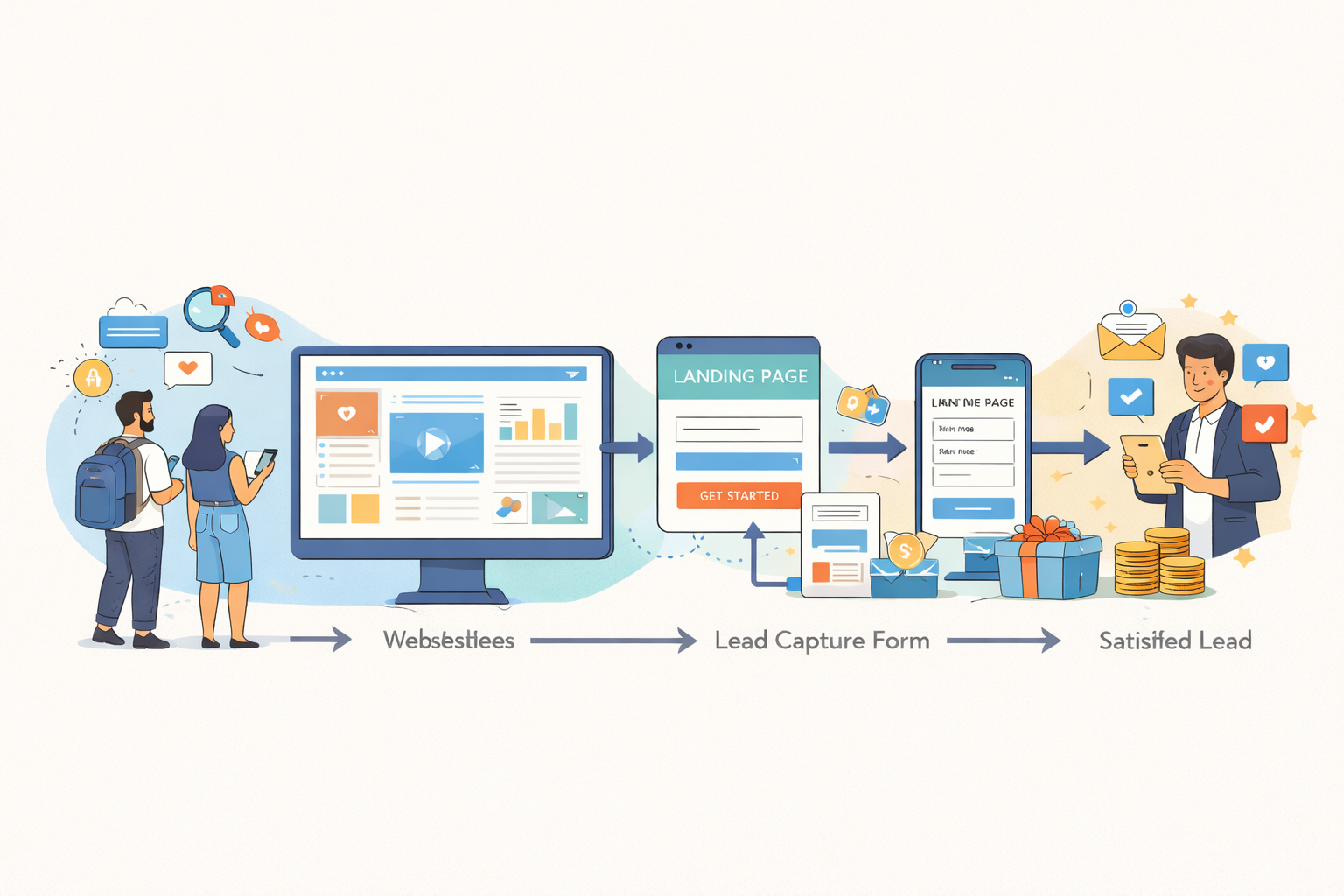
Generating traffic to your website is only half the battle. The real challenge lies in converting those visitors into qualified leads who are genuinely interested in your products or services. Every click, scroll, and visit represents potential revenue—but only if you have a clear strategy to guide users through your website and inspire action.
This guide explores actionable strategies to turn website visitors into leads, helping businesses maximize ROI from their digital marketing efforts. From website optimization to lead capture techniques, we’ll cover everything you need to create a conversion-focused website.
Understanding the Importance of Lead Conversion
Turning website traffic into leads is critical for business growth. While attracting visitors is essential, unconverted traffic doesn’t contribute to revenue. Lead generation allows you to capture contact information and nurture prospects, ultimately guiding them toward purchase decisions.
A well-optimized website combined with targeted marketing services can significantly improve lead conversion rates. From strategically placed call-to-action buttons to integrated lead forms, every element of your website plays a role in converting curiosity into measurable results.
Optimize Your Website for Conversions
Your website is often the first touchpoint for potential customers. Creating a user-friendly, visually appealing, and functional site is the foundation for lead generation. Strong web design ensures clear navigation, mobile responsiveness, and fast-loading pages, all of which contribute to a seamless user experience.
Additionally, integrating app development or mobile-friendly solutions ensures that users on smartphones and tablets have an equally smooth experience. A website that is difficult to navigate or slow to load can result in lost leads before any engagement even occurs.
Craft Compelling Calls-to-Action
A clear, persuasive call-to-action (CTA) guides visitors toward the next step. Whether it’s signing up for a newsletter, downloading a guide, or requesting a consultation, CTAs must be visible, relevant, and appealing.
Use action-oriented language such as “Get Started” or “Claim Your Free Trial,” and place CTAs strategically throughout landing pages, blog posts, and service pages. Coupled with a comprehensive marketing approach, these elements can significantly increase lead capture rates.
Leverage Content Marketing
Content marketing is not just about publishing blog posts; it’s about providing value that resonates with your audience. Search engine optimization ensures your content is discoverable by users actively searching for solutions. Incorporating targeted keywords naturally helps attract qualified traffic.
Guest posting on reputable platforms can expand your reach and establish authority in your niche. Every article or resource you create should encourage engagement and guide readers to conversion points, whether it’s subscribing to your newsletter or exploring services.
Use Landing Pages Effectively
Landing pages are purpose-built to capture leads. Unlike general website pages, they focus on a single offer and a single conversion goal. Pairing these pages with pay per click campaigns allows you to attract users already interested in a specific solution, increasing the likelihood of conversion.
Well-structured landing pages include concise, persuasive copy, visually appealing layouts, and a single, clear CTA. Providing downloadable resources, free trials, or consultation options incentivizes users to share their contact information.
Implement Lead Capture Forms Strategically
Forms are one of the most direct methods of capturing visitor information. However, poorly designed forms can deter users. Keep forms short, asking only for essential details such as name and email address.
Integrate forms seamlessly into your website, whether embedded within blog posts, landing pages, or pop-up windows. Lead forms should feel natural, providing value in exchange for information without disrupting the user experience.
Offer Valuable Incentives
Incentives can be a powerful motivator for users to provide their contact details. These may include eBooks, exclusive reports, discount codes, or free trials. The perceived value of the incentive should align with your target audience’s interests and needs.
Combining incentives with effective web design, clear CTAs, and targeted content ensures that visitors are not only engaged but also willing to share information to gain access to valuable resources.
Utilize Retargeting Techniques
Even with optimized landing pages and compelling content, not all visitors convert on their first visit. Retargeting allows businesses to reconnect with users who have previously interacted with your website.
Retargeting campaigns and follow-ups ensure that your brand stays top-of-mind. Paid retargeting, combined with email campaigns, increases the likelihood of conversion over time.
Track and Measure Performance
Data-driven decision-making is essential for lead generation. Tracking metrics such as conversion rates, bounce rates, and engagement helps identify which strategies are working and which need adjustment.
Analytics from search engine optimization and pay per click campaigns provide insights into traffic sources, user behavior, and campaign effectiveness. This information allows businesses to optimize website elements, content, and offers to maximize lead generation results.
Integrate Marketing Across Channels
Lead generation is more effective when digital marketing efforts are integrated. Coordinating website, content, social media, and email marketing ensures a consistent message across channels.
Comprehensive marketing strategies combined with web design, app development, and content management create a seamless experience that guides visitors from initial awareness to final conversion. Every interaction reinforces brand credibility and encourages engagement.
Build Trust and Credibility
Trust is a key factor in turning visitors into leads. Clearly displaying contact information, client testimonials, case studies, and certifications helps establish credibility. Users are more likely to share information when they feel confident that your business is reliable.
Marketing that emphasizes transparency, expertise, and customer-centric values naturally encourages lead generation and fosters long-term relationships.
Continuous Improvement
The digital landscape is constantly evolving. Continuous optimization of website design, CTAs, content, and marketing strategies ensures that your lead generation efforts remain effective. Regularly auditing analytics, testing landing page variations, and refining content strategy helps maintain high conversion rates.
By staying agile and responsive, businesses can maximize the impact of their website as a lead generation tool while maintaining alignment with overall marketing goals.
Conclusion
Turning website visitors into leads requires a multi-faceted approach. From optimized web design and app development to strategic content, compelling calls-to-action, and targeted retargeting, every element contributes to the conversion process.
Leveraging search engine optimization, pay per click campaigns, and guest posting opportunities enhances discoverability and authority, while incentives and clear lead forms facilitate engagement. Businesses that implement these strategies cohesively create a website that not only attracts visitors but also converts them into meaningful leads.