

SEO vs SEM: What’s the Real Difference and Which One Wins?
July 2, 2026
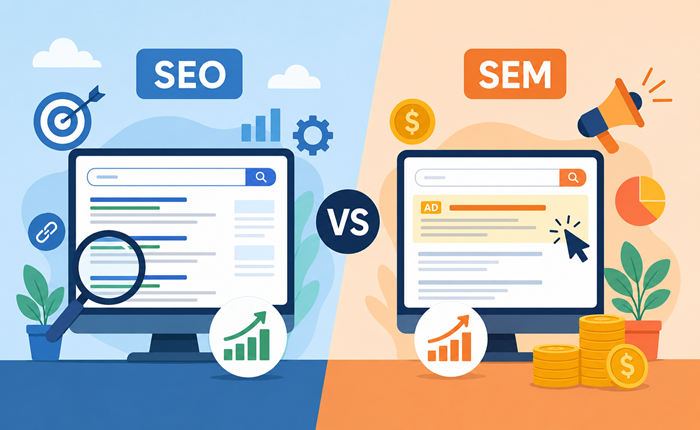
If you’ve ever wondered whether you should invest in SEO or SEM, you’re not alone. Many business owners hear these terms used interchangeably, even though they serve different purposes. Understanding SEO vs SEM helps you make smarter marketing decisions, improve online visibility, and allocate your budget more effectively.
Whether you’re building a new website, launching an online store, or looking to increase qualified traffic, knowing how these two digital strategies work together can have a major impact on long-term success. This guide explains everything in simple language so you can choose the right approach for your business.
Understanding SEO vs SEM
The debate around SEO vs SEM usually starts with one question: are they the same thing?
The answer is no.
While both strategies aim to increase website visibility on search engines, they achieve that goal in completely different ways. One focuses on earning organic traffic over time, while the other relies on paid advertising for immediate visibility.
Understanding SEO vs SEM allows businesses to create a balanced marketing strategy that delivers both short-term results and long-term growth.
What Is SEO?
Search engine optimization is the process of improving a website so it appears higher in unpaid search results. Instead of paying for every visitor, businesses optimize their content, website structure, speed, and authority to attract consistent organic traffic.
A successful optimization strategy includes:
- High-quality content
- Technical website improvements
- Fast loading pages
- Mobile-friendly design
- Quality backlinks
- Strong user experience
Since search engines constantly update how they rank websites, it’s important to stay informed about the google algorithm for SEO .
What Is SEM?
Search engine marketing focuses on increasing visibility through paid advertising on search engines.
With sem marketing, businesses bid on keywords and pay when someone clicks their advertisement. Paid listings typically appear above organic results, making them ideal for businesses that need immediate exposure.
Unlike organic optimization, paid campaigns can begin driving traffic within hours after launch.
SEO vs SEM: The Core Difference
The biggest distinction in SEO vs SEM is how traffic is earned.
Both methods increase visibility, but they serve different business goals.
When SEO Is the Better Choice
Businesses looking for sustainable online growth often benefit from organic optimization.
Some advantages include:
Long-Term Traffic
Once pages rank well, they can continue bringing visitors for months or even years without paying for every click.
Better Trust
Users often trust organic listings more than advertisements because rankings are earned rather than purchased.
Lower Cost Over Time
Although optimization requires time and effort, the long-term return often exceeds the initial investment.
If you’re researching seo pricing packages, understanding available options can help you select the right strategy based on your goals and budget.
When SEM Makes More Sense
There are situations where SEO vs SEM clearly favors paid advertising.
Paid campaigns work well when:
- Launching a new business
- Promoting seasonal offers
- Running limited-time campaigns
- Testing new products
- Entering highly competitive markets
Since results appear almost immediately, paid advertising is valuable when speed matters.
Comparing SEO vs SEM by Business Goals
Choosing between SEO vs SEM depends largely on what you’re trying to accomplish.
Brand Awareness
Paid campaigns generate instant visibility, helping new brands reach audiences quickly.
Lead Generation
Both approaches generate leads, but combining them often delivers the strongest performance.
Long-Term Growth
Organic optimization creates a steady stream of visitors that continues even after major optimization work is complete.
Fast Sales
Paid advertisements usually produce faster conversions for businesses with active campaigns.
Cost Comparison
Budget is often the deciding factor in SEO vs SEM.
Organic optimization requires investment in content creation, website improvements, and ongoing optimization.
Paid campaigns require continuous spending because every click has a cost. Once advertising stops, traffic typically disappears.
Businesses seeking lasting value usually invest in both strategies while adjusting spending based on objectives.
Which Strategy Delivers Faster Results?
When comparing SEO vs SEM, speed is one of the biggest differences.
Paid advertising can begin producing clicks within a day.
Organic rankings usually take several months before significant traffic develops.
If you’re curious about realistic timelines for ranking to google’s first page, it’s important to understand that results can vary based on your industry, competition, website authority, and the quality of your optimization efforts.
Can SEO and SEM Work Together?
Absolutely.
Many successful businesses don’t choose one over the other—they combine both.
Paid advertising provides immediate traffic while organic optimization builds lasting authority.
A balanced strategy allows businesses to:
- Generate quick leads
- Build long-term credibility
- Test keywords before creating content
- Increase overall search visibility
Rather than treating SEO vs SEM as competitors, think of them as complementary marketing tools.
Common Myths About SEO vs SEM
Myth 1: Paid Ads Improve Organic Rankings
Running advertisements does not directly improve organic search rankings.
Myth 2: SEO Is Free
Although you don’t pay per click, optimization requires time, expertise, and ongoing maintenance.
Myth 3: SEM Is Too Expensive
Well-managed campaigns can generate an excellent return when properly optimized.
Myth 4: Only Large Businesses Need Both
Businesses of every size benefit from using the right mix based on their goals.
Which Businesses Should Prioritize SEO?
Organic optimization works especially well for:
- Local service providers
- Professional firms
- Healthcare practices
- Educational websites
- Bloggers
- Ecommerce businesses focused on long-term growth
If you’re searching for digital marketing services near me, choosing an agency that understands both organic optimization and paid advertising creates stronger overall results.
Which Businesses Should Prioritize SEM?
Paid campaigns often perform better for:
- Product launches
- Event promotions
- New startups
- Limited-time offers
- Competitive industries
- Seasonal businesses
Businesses needing immediate leads often begin with paid advertising while building long-term organic visibility simultaneously.
How SEO and SEM Influence Sales
Visibility alone isn’t enough.
Businesses need visitors who are ready to become customers.
When both strategies are aligned, they create multiple opportunities to reach buyers during different stages of their decision-making journey. Over time, higher google rankings turn visibility into sales, especially when supported by quality content, trusted branding, and strong user experience.
Choosing the Right Strategy for Your Business
There’s no universal winner in SEO vs SEM.
The best choice depends on:
- Your available budget
- Marketing timeline
- Competition level
- Business goals
- Industry
- Customer behavior
Many businesses start with paid campaigns for immediate exposure while gradually investing in organic optimization for sustainable growth.
This balanced approach provides both immediate opportunities and long-term stability.
Final Thoughts
Understanding SEO vs SEM helps businesses avoid wasting time and marketing dollars.
Organic optimization builds credibility, sustainable traffic, and long-term authority. Paid advertising delivers immediate visibility and fast results when timing matters most.
Instead of viewing them as competing strategies, consider how they can complement each other. Businesses that combine both approaches often enjoy stronger visibility, better lead generation, and more consistent growth over time.
Making the right decision starts with understanding your goals, your audience, and your budget. Once those are clear, choosing between SEO and SEM—or combining both—becomes much easier.
Frequently Asked Questions
1. What is the main difference between SEO and SEM?
SEO focuses on organic rankings, while SEM uses paid advertisements to gain visibility.
2. Which delivers faster results?
SEM typically generates traffic immediately after campaigns begin.
3. Is SEO better than SEM?
Neither is universally better; each serves different marketing goals.
4. Can small businesses use both?
Yes, combining both strategies often delivers the best overall performance.
5. Should I start with SEO or SEM?
Businesses needing quick results often start with SEM while building SEO for long-term growth.