

How Many Solar Panels Does Your Home Really Need?
July 2, 2026
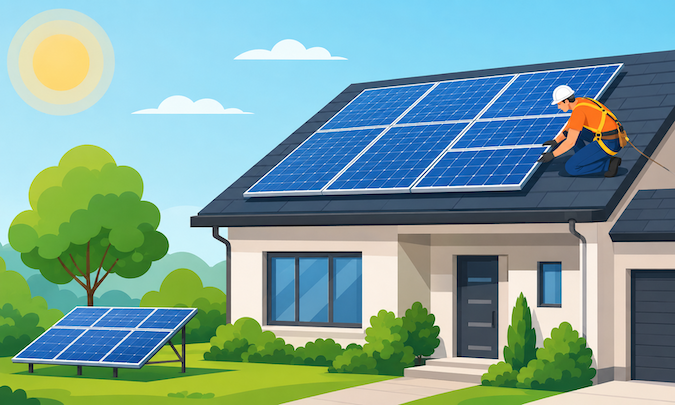
If you’re planning to install solar panels, one of the first questions you’ll ask is: How many solar panels do I need? The answer depends on much more than the size of your home. Your electricity usage, roof space, local climate, panel efficiency, and long-term energy goals all play an important role in determining the right system size.
Installing too few panels may leave you relying on utility power, while installing more than you need could increase your upfront investment unnecessarily. The good news is that calculating the ideal number of solar panels isn’t complicated once you understand the key factors involved.
Whether you’re looking to reduce your monthly electric bill, achieve greater energy independence, or increase your property’s value, knowing how to size a solar system correctly is the first step toward making a smart investment. In this guide, we’ll explain exactly how to estimate the number of solar panels your home or business needs and why a professional solar assessment provides the most accurate results.
What Determines How Many Solar Panels You Need?
Although many average-sized homes require somewhere between 20 and 25 solar panels, there is no universal answer. Every property consumes electricity differently, and every roof receives a unique amount of sunlight.
Here are the biggest factors that influence the ideal solar panel count.
Your Solar Energy Goals
Before calculating system size, decide what you want your solar investment to accomplish.
Some homeowners simply want to lower their monthly electric bills, while others hope to generate enough electricity to eliminate their utility bill almost entirely. Others prioritize reducing their environmental impact by producing clean, renewable energy.
Your goals directly affect the size of the system you’ll need. For example, a homeowner who wants to offset 100% of annual electricity usage will require more solar panels than someone aiming to reduce costs by 50%.
If you’re planning a commercial installation, working with professionals experienced in custom commercial solar panel installations helps ensure your system is designed around your specific energy requirements.
Calculate Your Annual Electricity Usage
The most important number in sizing a solar system is your annual electricity consumption.
Look at your electric bills from the previous 12 months and total the kilowatt-hours (kWh) you’ve used throughout the year. This provides the baseline for estimating how much solar energy your system must generate.
Don’t stop with your current usage. Think about future changes that could increase your electricity demand, such as:
- Purchasing an electric vehicle
- Installing a pool or hot tub
- Expanding your home
- Adding new appliances
- Switching from gas to electric heating
Planning ahead helps prevent installing a system that’s too small.
If your goal is complete energy independence, understanding how to offset your home’s total energy consumption with solar panels can help you estimate the production your system should deliver.
Solar Panel Efficiency Matters
Not all solar panels produce the same amount of electricity.
Higher-efficiency panels convert more sunlight into usable electricity, allowing you to generate more power using fewer panels. While premium panels often come with a higher purchase price, they can save valuable roof space and improve long-term energy production.
Lower-efficiency panels may require a larger installation area to produce the same output.
This is especially important for homeowners with limited roof space. Installing more efficient panels may eliminate the need for additional roof sections or alternative mounting solutions.
If you’re comparing different products, understanding how much electricity a single solar panel produces makes it much easier to estimate how many panels your home will require.
Available Roof Space
Even if your energy needs suggest installing 30 solar panels, your roof must have enough usable space to accommodate them.
Solar installers evaluate several factors, including:
- Roof size
- Roof shape
- Roof pitch
- Chimneys
- Skylights
- Roof vents
- Orientation
- Structural condition
South-facing roof sections typically generate the highest production in the United States, but east- and west-facing roofs can also perform well depending on your location.
When roof space is limited, installers may recommend:
- Higher-efficiency solar panels
- A redesigned panel layout
- Ground-mounted solar systems
- Carport solar installations
Every property is different, which is why custom system design is essential.
Sunlight Exposure and Your Location
Solar panels produce electricity only when exposed to sunlight.
Homes located in sunny climates naturally require fewer panels than properties in areas with frequent cloud cover because each panel generates more electricity throughout the year.
Florida, for example, receives abundant sunshine, making it one of the best states for residential solar installations.
However, regional weather isn’t the only consideration.
Local conditions around your property can significantly impact production, including:
- Large trees
- Neighboring buildings
- Roof obstructions
- Seasonal shading
- Roof orientation
Even partial shading can reduce solar output if not properly addressed during system design.
Choosing the best location on your property for solar panel installation helps maximize production and improve long-term savings.
A Simple Formula for Estimating Solar Panels
Although every installation is unique, you can estimate your solar panel requirements using a basic calculation.
Step 1: Find your annual electricity usage (kWh).
Step 2: Estimate annual production for one solar panel.
Step 3: Divide your annual electricity consumption by the yearly production of one panel.
For example:
- Annual electricity usage: 12,000 kWh
- One 400-watt panel produces approximately 550 kWh annually
12,000 ÷ 550 = 22 solar panels
This estimate will vary depending on your location, sunlight exposure, panel efficiency, and roof orientation, but it provides a useful starting point.
Should You Install More Panels Than You Currently Need?
Many homeowners choose to slightly oversize their systems.
This approach can make sense if you expect your electricity usage to increase in the coming years.
Examples include:
- Buying an electric vehicle
- Installing a home battery
- Expanding your home
- Switching major appliances to electric power
- Planning for higher utility rates
Adding a few extra panels during the initial installation is often less expensive than expanding the system later.
Why Professional Solar System Design Is Worth It
Online calculators provide estimates, but they cannot evaluate your home’s unique characteristics.
Professional solar designers consider:
- Roof measurements
- Shade analysis
- Historical weather data
- Local utility regulations
- Building codes
- Future energy usage
- Available incentives
- Equipment compatibility
This results in a system that produces the maximum amount of electricity while fitting your property and budget.
If you’re comparing installers, it’s worth taking the time to find an experienced solar company that serves your area before making a decision.
Get a Customized Solar Panel Estimate
The fastest way to determine exactly how many solar panels you need is through a professional consultation.
An experienced solar consultant will evaluate your home’s energy consumption, inspect your roof, identify any shading concerns, and recommend a system designed specifically for your property.
Instead of relying on averages, you’ll receive accurate production estimates, projected savings, equipment recommendations, and installation options tailored to your goals.
Whether you’re interested in lowering your electric bill or investing in long-term energy independence, working with a trusted local solar installation company gives you the confidence to make an informed decision.
Frequently Asked Questions
How many solar panels does the average home need?
Most homes require between 20 and 25 solar panels, but the exact number depends on annual electricity usage, panel efficiency, roof size, and local sunlight conditions.
How do I calculate the number of solar panels I need?
Divide your home’s annual electricity consumption by the estimated yearly production of one solar panel. A professional solar assessment will provide the most accurate calculation.
Does a larger home always need more solar panels?
Not necessarily. Two homes of similar size can have very different electricity usage depending on the number of occupants, appliances, heating and cooling systems, and lifestyle habits.
Can I add more solar panels later?
Yes. Many systems can be expanded, although it’s usually more cost-effective to size your system appropriately during the initial installation.
Do higher-efficiency solar panels reduce the number of panels required?
Yes. Higher-efficiency panels generate more electricity per panel, allowing you to meet your energy needs using fewer panels.
Is roof size the biggest factor?
Roof space is important, but your annual electricity usage and the amount of sunlight your roof receives usually have a greater impact on determining system size.
Start Your Solar Journey with Confidence
Calculating how many solar panels you need involves more than simply counting panels on your neighbor’s roof. Your electricity consumption, roof layout, panel efficiency, future energy plans, and local climate all contribute to finding the ideal system size.
A professionally designed solar system ensures you’re investing in equipment that matches both your energy goals and your budget. With the right planning, you can maximize energy production, reduce utility costs, and enjoy reliable renewable power for decades to come.
If you’re ready to explore solar, schedule a personalized consultation and receive a custom system design tailored specifically to your home or business.
Make the Solar Energy Switch Today!
