

Florida Solar Inspection Tips Before Hurricane Season
April 30, 2026
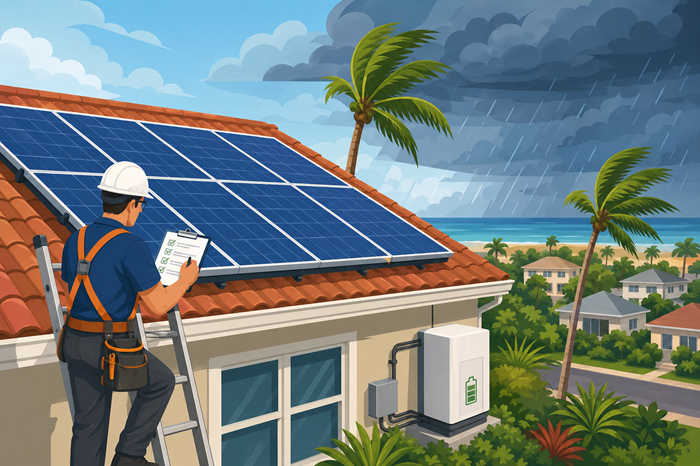
Florida homeowners rely on solar energy year-round, but hurricane season can put every part of a solar system to the test. Strong winds, heavy rain, flooding, and flying debris can all impact panels, wiring, mounts, and battery storage systems if they are not properly inspected ahead of time.
A pre-hurricane season solar inspection helps protect your investment, improve system performance, and reduce the risk of expensive repairs after a storm. Whether you already have a rooftop system or are planning an upgrade, understanding what to inspect before severe weather arrives is essential for long-term reliability and home safety.
Many homeowners searching for reliable solar installers want to make sure their systems are ready before the first major storm warning appears. Preventative maintenance not only improves efficiency but also gives peace of mind when hurricane season begins.
Why Pre-Hurricane Solar Inspections Matter
Florida experiences some of the harshest weather conditions in the country. Even well-installed solar systems can develop small issues over time due to heat, moisture, salt air, and seasonal storms.
A professional inspection identifies weak points before they turn into major problems. Loose mounts, worn seals, exposed wiring, and damaged panels may seem minor today but can become serious hazards during high winds.
Routine inspections also help maintain manufacturer warranties and ensure the system continues operating efficiently after the storm passes.
Homeowners often search for solar installers near me during hurricane preparation season because they want experts to evaluate the condition of their systems before severe weather arrives.
Common Risks Solar Systems Face During Hurricanes
Wind Damage
High winds are one of the biggest threats to rooftop solar systems. Panels that are not properly secured may loosen or shift during a storm.
Mounting hardware should always be checked for corrosion, loose bolts, or weakened roof attachments before hurricane season starts.
Water Intrusion
Heavy rain can expose vulnerable areas around roof penetrations and electrical connections. Moisture entering these areas may lead to leaks, short circuits, or structural damage.
Inspecting waterproof seals and conduit connections is critical for preventing storm-related electrical issues.
Flying Debris
Tree branches and debris can crack solar panels or damage exposed wiring. Trimming nearby trees before hurricane season significantly reduces this risk.
Understanding proper solar panel safety in strom conditions can also help homeowners prepare their systems more effectively for extreme weather.
Power Outages
Extended outages are common after hurricanes. Without backup storage, solar systems tied directly to the grid may shut down during blackouts.
Many Florida homeowners now invest in battery backup for home energy protection so critical appliances continue running during emergencies.
Signs Your Solar System Needs an Inspection
Not every issue is immediately visible. Some warning signs appear gradually and are easy to overlook.
Here are a few indicators your system may need professional attention:
- Sudden drops in energy production
- Visible cracks or discoloration on panels
- Loose mounting hardware
- Roof leaks near solar attachments
- Corrosion around electrical components
- Flickering inverter warning lights
- Unusual noises during operation
If you notice any of these problems, scheduling an inspection before storm season becomes even more important.
What Happens During a Solar Inspection?
A comprehensive inspection evaluates both the electrical and structural integrity of the system.
Roof and Mounting Assessment
Inspectors check whether panels remain firmly secured to the roof structure. They also evaluate flashing, seals, and mounting brackets for signs of wear or corrosion.
This step is especially important for older installations exposed to years of Florida heat and humidity.
Electrical System Testing
Technicians inspect wiring, grounding systems, inverters, and conduit connections to ensure everything operates safely.
Minor electrical problems can worsen quickly during storms if moisture enters damaged components.
Panel Condition Check
Panels are examined for cracks, hot spots, scratches, or impact damage that could affect performance or safety.
A professional inspection can often identify hidden damage not visible from ground level.
Performance Evaluation
Inspectors compare actual energy production against expected output to identify efficiency issues.
Using a solar panel troubleshooting checklist can also help homeowners understand common warning signs between scheduled inspections.
How Solar Batteries Help During Hurricane Season
Power outages following hurricanes may last for days in some parts of Florida. That is why many homeowners now consider adding solar battery backup systems to their homes.
Unlike standard grid-tied systems that shut down during outages, solar batteries store excess power for later use.
Backup storage can help operate:
- Refrigerators
- Medical devices
- Wi-Fi routers
- Essential lighting
- Security systems
- Charging stations
Learning about different types of solar batteries can help homeowners choose the right storage solution based on energy needs and hurricane preparedness goals.
Choosing the Right Solar Inspection Company
Not every contractor has experience evaluating solar systems for hurricane readiness. Choosing qualified professionals matters.
Look for companies that:
- Understand Florida building codes
- Have experience with storm-resistant installations
- Offer detailed inspection reports
- Check both electrical and structural components
- Use certified technicians
- Provide repair recommendations if needed
Working with the best solar installers often ensures systems are inspected according to modern safety standards and local weather conditions.
Solar Inspection Checklist
Before hurricane season arrives, homeowners should review the following areas:
Many homeowners searching for solar inspection near me wait until a storm warning is issued, but scheduling inspections earlier provides more time for repairs and maintenance.
Preparing Your Roof Alongside Your Solar System
Your roof plays a major role in protecting the solar array during severe weather. Even a perfectly installed solar system can fail if the roofing structure beneath it weakens.
Before hurricane season:
- Replace damaged shingles
- Repair flashing problems
- Check attic ventilation
- Inspect for soft spots or moisture damage
- Ensure gutters drain properly
Combining roof maintenance with solar inspections creates a stronger overall defense against storm damage.
Should You Remove Solar Panels Before a Hurricane?
In most cases, professionally installed solar panels should not be removed before a hurricane. Modern systems are designed to withstand significant wind speeds when properly installed and maintained.
Removing panels unnecessarily may actually increase the risk of roof damage or installation problems later.
Instead, focus on proper inspection, maintenance, and securing loose objects around the property before the storm arrives.
Benefits of Early Hurricane Preparation
Waiting until the peak of hurricane season can make inspections difficult to schedule. Demand for repairs and inspections often increases dramatically once major storms are forecasted.
Early preparation offers several advantages:
- Faster repair scheduling
- Lower risk of emergency damage
- Improved system efficiency
- Better insurance documentation
- Increased home safety
- Greater peace of mind
Preventative maintenance is usually far less expensive than storm-related repairs or complete system replacement.
Conclusion
Florida hurricane season brings unpredictable weather, but proactive solar maintenance can greatly reduce the risk of damage and system failure. A thorough inspection helps identify vulnerabilities early, protects your energy investment, and improves safety during severe storms.
From securing mounting systems to checking electrical components and backup storage, every part of the system plays an important role in storm readiness. Preparing now gives homeowners more confidence that their solar systems will continue performing when they are needed most.
If your system has not been inspected recently, scheduling a professional evaluation before hurricane season is one of the smartest preventative steps you can take.
FAQs
How often should solar panels be inspected in Florida?
At least once a year, preferably before hurricane season begins.
Can hurricanes damage solar panels?
Yes, strong winds, debris, and water intrusion can damage poorly maintained systems.
Do solar panels work during power outages?
Only systems with battery storage or backup configurations can operate during outages.
Are rooftop solar panels designed for hurricanes?
Most modern systems are built to withstand high winds when properly installed.
What should I do after a hurricane passes?
Inspect for visible damage and schedule a professional evaluation before restarting the syste