

How to Optimize for Voice Search in Local SEO
May 12, 2026
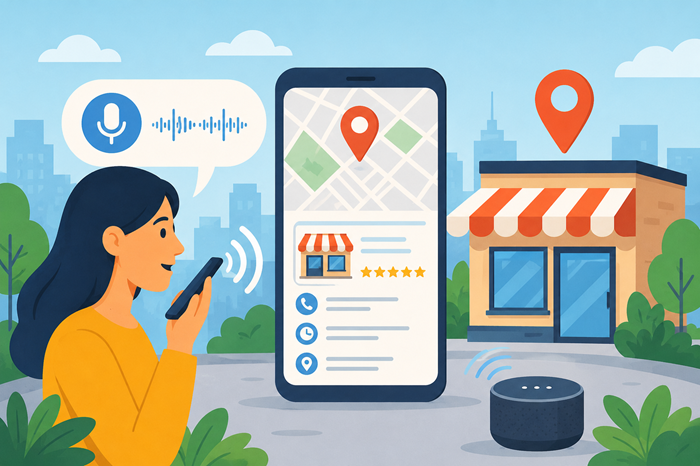
Voice technology has changed the way people search online. Instead of typing short phrases into a search bar, users now ask full questions through smartphones, smart speakers, and virtual assistants. That shift is creating new opportunities for businesses that want to attract nearby customers.
If your company depends on local traffic, learning how to optimize for voice-based queries can help you appear in more high-intent searches. This guide breaks down practical strategies that improve visibility, increase engagement, and help your business stay competitive in a rapidly changing search landscape.
Why Voice Search Matters for Local Businesses
People use spoken queries differently than typed searches. They ask conversational questions like:
- “Where’s the best coffee shop near me?”
- “What time does the hardware store open?”
- “Who offers emergency plumbing services nearby?”
These searches often happen when users are ready to take action. They may want directions, contact information, pricing, or immediate service. That makes voice-driven traffic extremely valuable for businesses targeting local customers.
As mobile usage continues to rise, optimizing for spoken search behavior is no longer optional. It’s becoming a core part of modern search strategy.
Understand How People Speak During Searches
Traditional search behavior usually relies on short keywords. Spoken queries are longer, more natural, and question-based.
For example:
- Typed search: “best pizza NYC”
- Spoken search: “What’s the best pizza place open near me right now?”
This means your website content should sound natural and conversational. Instead of stuffing pages with repetitive phrases, focus on answering real questions clearly and directly.
One effective way to improve visibility is by creating FAQ-style sections throughout your site. These sections mirror the way users speak and can help search engines understand your content more accurately.
Focus on Local Intent First
Most spoken queries have strong local intent. People often search while driving, walking, or looking for nearby services.
To improve visibility in these searches:
Keep Your Business Information Consistent
Your business name, address, and phone number should match everywhere online. Inconsistent details can confuse search engines and reduce trust signals.
Double-check your:
- Website
- Business directories
- Social platforms
- Review sites
Optimize Your Google Listing
Your google business profile plays a major role in voice-driven discovery. Make sure it includes:
- Accurate contact details
- Updated business hours
- Service categories
- Photos
- Customer reviews
Businesses with complete listings are more likely to appear in location-based results.
Create Content Around Real Questions
Voice users tend to ask complete questions instead of fragmented phrases. Your content should reflect that behavior.
Examples of Useful Content
You can create:
- FAQ pages
- Blog posts
- Location-specific service pages
- “How-to” guides
- Comparison articles
The goal is to provide concise, direct answers that search engines can easily extract.
A strong content strategy also supports long-term authority building. Businesses that consistently publish helpful content often strengthen their visibility through signals tied to e-e-a-t in seo.
Improve Mobile Performance
Most spoken searches happen on mobile devices. If your site loads slowly or performs poorly on smartphones, users will leave quickly.
Key Mobile Optimization Tips
- Use responsive design
- Compress large images
- Reduce unnecessary scripts
- Improve page speed
- Simplify navigation
Fast-loading pages improve both user experience and search visibility.
Target Conversational Keywords Naturally
You don’t need awkward keyword placement to rank for spoken queries. Instead, write naturally and include conversational phrases where they make sense.
For example, someone searching through voice assistants might ask:
- “Which bakery delivers fresh cakes nearby?”
- “What’s the fastest car repair service in town?”
Building content around natural speech patterns improves readability while helping search engines connect your pages with spoken requests.
This is especially important for businesses competing in crowded markets where visibility for near me searches can significantly impact local traffic and conversions.
Use Structured Data Markup
Structured data helps search engines understand your website content more clearly. It also increases the chances of appearing in featured snippets and voice-generated answers.
Important Schema Types
Consider adding:
- Local business schema
- FAQ schema
- Review schema
- Product schema
- Service schema
Schema markup gives search engines additional context about your business and services.
Optimize for Featured Snippets
Voice assistants often pull answers directly from featured snippets. These are the short answer boxes that appear near the top of search results.
How to Improve Your Chances
- Answer questions clearly in 40–60 words
- Use headings that match common questions
- Add bullet points and numbered lists
- Keep explanations concise
Well-structured content is easier for search engines to interpret and present as spoken answers.
Build Strong Local Authority
Search engines evaluate trust and relevance before recommending businesses in local results.
Ways to Strengthen Authority
- Collect genuine customer reviews
- Publish locally relevant content
- Earn backlinks from community websites
- Maintain active social profiles
- Keep business details updated
Strong authority signals improve credibility and increase your visibility in location-based searches.
Prioritize User Experience
Voice search optimization isn’t just about keywords. Search engines also measure how users interact with your website.
If visitors quickly leave your pages, it may signal that your content doesn’t match their intent.
Improve Engagement With:
- Clear page layouts
- Readable fonts
- Helpful navigation
- Fast response times
- Direct answers
A positive user experience increases the likelihood that visitors will stay, explore, and convert.
Create Location-Specific Landing Pages
If your business serves multiple areas, dedicated landing pages can improve relevance for spoken local queries.
Each page should include:
- Unique content
- Area-specific information
- Service details
- Testimonials
- Directions or landmarks
Avoid copying the same content across multiple pages. Unique local content performs better and builds stronger relevance signals.
Don’t Ignore Customer Reviews
Reviews influence both rankings and customer trust. Voice assistants often prioritize businesses with strong ratings and consistent feedback.
Encourage Reviews By:
- Asking satisfied customers directly
- Sending follow-up emails
- Providing simple review links
- Responding professionally to feedback
Positive reviews can improve visibility while helping users feel confident choosing your business.
Use Natural Language Throughout Your Website
Many websites still sound overly technical or robotic. That approach doesn’t align well with spoken search behavior.
Write the way real people talk. Use simple language, short sentences, and direct explanations.
This helps:
- Improve readability
- Increase engagement
- Match conversational queries
- Support better search understanding
Natural language also improves accessibility for a wider audience.
Monitor Performance and Adjust
Optimization is an ongoing process. Track how users discover your business and identify opportunities for improvement.
Helpful Metrics to Monitor
- Mobile traffic
- Local rankings
- Click-through rates
- Calls from search listings
- Conversion rates
- Search queries
Using reliable local seo tools can help uncover valuable insights about search behavior and performance trends.
Voice Search and Small Business Growth
Spoken search optimization offers a major advantage for smaller companies competing against larger brands.
For many businesses, investing in local seo for small business creates opportunities to attract highly targeted traffic without relying entirely on paid advertising.
Small companies that focus on user intent, local relevance, and conversational content often outperform larger competitors in neighborhood-level searches.
Work With the Right Marketing Strategy
Search optimization requires ongoing effort, technical improvements, and consistent content development. Many businesses choose to partner with professionals who understand evolving search trends and local competition.
Companies looking for scalable growth often benefit from flexible digital marketing services that adapt to changing search behavior and customer expectations.
Understand the Cost of Optimization
Business owners frequently ask how much investment is required to improve visibility in local search.
The answer depends on factors like:
- Competition
- Service area size
- Website condition
- Content requirements
- Ongoing maintenance
Understanding realistic expectations and budgeting properly can help businesses plan more effectively. This breakdown of local seo cost explains what typically influences pricing and long-term strategy.
The Future of Spoken Search Optimization
Voice technology will continue evolving as devices become more advanced and user behavior changes. Businesses that adapt early will be in a stronger position to capture future demand.
Success comes from focusing on:
- Helpful content
- Accurate business information
- Fast mobile experiences
- Conversational language
- User-focused optimization
A well-planned local seo strategy built around modern search behavior can create lasting visibility and stronger customer engagement.
Businesses that stay proactive with voice optimization will be better prepared for future changes in digital search.
Conclusion
Voice-based search is changing how customers discover local businesses. People want quick answers, accurate information, and nearby solutions delivered instantly.
Optimizing for spoken queries means thinking beyond traditional keywords. It requires conversational content, strong local signals, fast mobile performance, and a user-friendly experience.
Whether you run a small shop or manage a growing company, adapting your strategy now can help you attract more qualified traffic and stay competitive in local search results.
A trusted local seo agency can also help streamline the process and identify opportunities that improve long-term visibility.
FAQs
What is voice search optimization?
Voice search optimization improves your website so it appears in spoken search queries from mobile devices and smart assistants.
Why is voice search important for local businesses?
Most voice searches have local intent and often lead to immediate customer actions.
How do voice searches differ from typed searches?
Spoken searches are more conversational and usually longer than typed queries.
Does mobile speed affect voice search rankings?
Yes, faster mobile websites generally perform better in voice-related search results.
What are the benefits of local seo?
The benefits of local seo include higher visibility, better local traffic, and stronger customer engagement.