

Hidden SEO Problems That Hurt Residential Service Sites
May 15, 2026
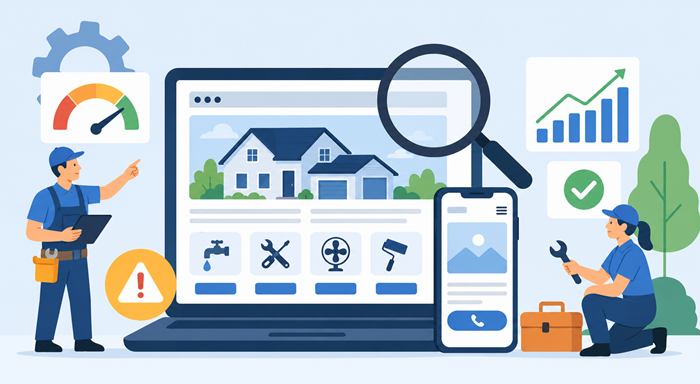
Residential service websites often look polished on the surface. They have clean layouts, strong branding, and attractive photos of completed projects. Yet many of them still struggle to rank in search results, generate qualified leads, or convert local traffic into booked jobs.
The problem is rarely obvious. In many cases, the biggest performance issues live behind the scenes. Slow-loading pages, broken page structures, poor mobile rendering, and messy code can quietly damage visibility without business owners even noticing. These hidden technical problems create friction for both users and search engines.
That’s why invisible optimization matters more than ever. A strong online presence is not just about design or content. It also depends on how well your site is built under the hood. From crawlability to page speed, fixing developer-related issues can dramatically improve rankings, engagement, and lead generation for residential service companies.
Whether you run a roofing company, plumbing business, HVAC service, landscaping brand, or local remodeling operation, understanding these hidden website issues can help you stay competitive in local search.
Why Residential Service Sites Often Underperform
Many service-based businesses invest heavily in branding and advertising but overlook the technical side of their websites. Developers may focus on appearance and functionality without considering how search engines interpret the site structure.
This disconnect often creates silent performance issues that weaken organic visibility over time.
A residential service site typically includes:
- Location pages
- Service pages
- Contact forms
- Scheduling tools
- Image galleries
- Customer reviews
- Mobile navigation systems
When these elements are poorly optimized, search engines struggle to crawl and understand the site properly.
Even businesses offering excellent work can lose rankings simply because their websites are technically inefficient.
Slow Site Speed Is Quietly Killing Rankings
Page speed remains one of the most overlooked issues in residential service websites. Large images, bloated code, and unnecessary scripts can significantly slow down load times.
Homeowners searching for emergency services rarely wait around for slow pages. If a plumbing page takes too long to load, users leave quickly and contact another company instead.
This is where understanding proper seo foundations becomes critical. Technical performance directly influences how search engines evaluate website quality.
Common Causes of Slow Residential Websites
Oversized Images
Before-and-after project photos often consume massive amounts of bandwidth. Many websites upload full-resolution images without compression.
Too Many Plugins
Some platforms rely on excessive plugins that conflict with each other or load unnecessary scripts sitewide.
Poor Hosting Infrastructure
Cheap hosting environments create slow response times, especially during traffic spikes.
Unoptimized Code
Messy CSS and JavaScript files can block rendering and reduce performance scores.
Improving speed does more than help rankings. It also improves lead conversion rates because visitors can navigate the site more smoothly.
Mobile Issues Are More Serious Than Most Businesses Realize
Most homeowners now search for local services using smartphones. If a residential service site performs poorly on mobile devices, rankings and conversions both suffer.
Many developer issues only appear on smaller screens. Buttons may overlap, forms may become unusable, or text may display incorrectly.
Google prioritizes mobile usability heavily, especially for local intent searches.
Signs Your Mobile Experience Needs Attention
- Tap targets are too close together
- Text is difficult to read
- Navigation menus malfunction
- Contact forms break on phones
- Images overflow off-screen
- Pages shift while loading
These issues frustrate users and reduce trust immediately.
For service businesses competing in crowded markets, mobile usability can determine whether a visitor calls your business or leaves for a competitor.
Weak Site Structure Confuses Search Engines
A poorly organized website makes it difficult for search engines to understand service relevance and location targeting.
Many residential businesses publish pages randomly without considering hierarchy or internal relationships.
This creates indexing problems and weakens authority signals across the site.
Build Clear Content Relationships
A strong structure typically follows a logical path:
- Main service category
- Individual service pages
- Local area pages
- Supporting educational content
Each page should connect naturally to related topics without excessive repetition.
Businesses looking for long-term visibility often benefit from working with professionals offering digital marketing services near me because local structure optimization requires strategic planning.
Thin Service Pages Reduce Visibility
One of the most common problems on residential service websites is shallow content.
Developers frequently create template-based pages with minimal information. Unfortunately, search engines expect more depth and relevance.
A page targeting water heater repair, for example, should explain:
- Types of water heater issues
- Warning signs
- Repair timelines
- Maintenance advice
- Emergency considerations
- Local availability
Thin pages fail to establish topical authority.
Why Template Pages Cause Problems
When dozens of pages use nearly identical wording, search engines may struggle to differentiate them. This weakens ranking potential across the entire domain.
Instead of copying content structures repeatedly, businesses should regularly update service pages with fresh details, project examples, FAQs, and localized information.
Broken Internal Linking Weakens Authority
Internal linking plays a major role in helping search engines understand website relationships.
Many residential service sites either ignore internal linking completely or overdo it unnaturally.
The goal is to guide users logically while distributing authority across important pages.
Effective Internal Linking Strategies
Good internal links should:
- Connect related services
- Guide users toward contact pages
- Support location relevance
- Improve navigation flow
- Reduce orphaned pages
Poor linking structures make websites feel disconnected and harder to crawl.
Technical Errors Often Go Undetected
Some of the most damaging website problems are invisible to business owners because they occur behind the scenes.
A website may appear functional while still containing serious technical flaws.
Hidden Issues Developers Commonly Miss
Duplicate Metadata
Multiple pages using identical title tags and descriptions confuse search engines.
Broken Redirect Chains
Old URLs may redirect improperly, creating crawl inefficiencies.
Indexing Problems
Important pages sometimes get blocked accidentally through robots.txt or noindex settings.
Schema Errors
Improper structured data can prevent rich search enhancements.
Crawl Budget Waste
Search engines may spend time crawling unnecessary pages instead of valuable service pages.
This is why comparing manual seo audits vs automated tools is important. Automated scanners catch basic errors, but manual analysis often reveals deeper structural problems that software misses.
Poor User Experience Signals Affect Rankings
Search engines increasingly measure how users interact with websites.
If visitors arrive and leave quickly, rankings may gradually decline.
Many residential service businesses focus only on attracting traffic while ignoring engagement quality.
User Experience Problems That Hurt Performance
Confusing Navigation
Visitors should instantly understand where to click next.
Aggressive Pop-Ups
Intrusive pop-ups disrupt browsing and increase abandonment.
Cluttered Layouts
Too many visual elements overwhelm users.
Weak Calls-to-Action
Contact buttons and scheduling prompts should remain clear and accessible.
Businesses that monitor metrics like bounce rate can identify whether users are finding value or leaving prematurely.
Location Pages Often Lack Local Relevance
Residential service businesses depend heavily on local visibility, yet many location pages feel generic and repetitive.
Search engines prioritize authentic geographic relevance.
Strong Local Pages Should Include
- Neighborhood references
- Local customer examples
- Service availability details
- Region-specific concerns
- Local testimonials
- Nearby landmarks when appropriate
Generic city pages copied across multiple locations rarely perform well long term.
JavaScript Problems Can Block Visibility
Modern website builders often rely heavily on JavaScript frameworks.
While visually appealing, these setups sometimes create rendering issues that prevent search engines from properly indexing content.
Warning Signs of Rendering Problems
- Important content loads late
- Text disappears temporarily
- Navigation depends entirely on scripts
- Pages render differently across devices
When search engines cannot interpret important content efficiently, rankings suffer.
Residential service sites should prioritize clean rendering and accessible page structures.
Image Optimization Is Frequently Ignored
Service websites rely heavily on visuals because homeowners want proof of quality work.
However, large image galleries often become performance liabilities.
Best Practices for Image Optimization
- Compress large files
- Use descriptive filenames
- Add relevant alt text
- Serve modern image formats
- Avoid loading all gallery images immediately
Optimized images improve both performance and accessibility.
Poor Conversion Design Wastes Traffic
Even websites that generate traffic can fail if conversion pathways are weak.
Residential service businesses should treat every page as a lead-generation opportunity.
Essential Conversion Elements
Clear Contact Information
Phone numbers should remain visible throughout the site.
Fast Quote Forms
Keep forms simple and mobile-friendly.
Trust Signals
Include reviews, certifications, and guarantees.
Emergency Visibility
Urgent service businesses should highlight emergency availability clearly.
Without strong conversion design, increased traffic alone will not produce better business results.
Content and Technical Teams Must Work Together
One major issue in residential service marketing is the separation between developers and content strategists.
Developers often focus purely on functionality, while marketers focus only on content creation.
The strongest websites combine both disciplines effectively.
A technically sound website with weak content struggles to rank. Likewise, excellent content on a poorly optimized website also underperforms.
Successful residential service sites require alignment between:
- Technical structure
- User experience
- Local targeting
- Content quality
- Performance optimization
Long-Term Visibility Requires Ongoing Maintenance
Optimization is not a one-time project.
Search behavior changes constantly, and website performance gradually declines without maintenance.
Regular monitoring helps businesses catch problems before rankings drop significantly.
Ongoing Maintenance Priorities
- Review page speed monthly
- Fix broken links regularly
- Refresh outdated content
- Monitor mobile usability
- Audit technical errors
- Improve local relevance continuously
Consistent maintenance creates stronger long-term search visibility and better lead generation stability.
Final Thoughts
Many residential service businesses lose valuable traffic because of hidden technical issues they never see. Slow speeds, poor mobile experiences, weak structures, and rendering problems quietly reduce visibility while competitors move ahead.
The good news is that most of these issues are fixable.
By improving technical performance, strengthening content structure, and refining user experience, residential service companies can dramatically improve search visibility and lead quality over time.
The most effective websites are not just visually appealing. They are technically efficient, locally relevant, easy to navigate, and designed with both users and search engines in mind.
Businesses that invest in fixing invisible website problems often see stronger rankings, better engagement, and more consistent customer inquiries.
FAQs
What are invisible SEO issues on residential service websites?
Hidden technical problems like slow speed, broken structure, and poor mobile usability that affect rankings.
Why does site speed matter for local businesses?
Faster websites improve user experience, search visibility, and lead conversions.
How often should residential service sites be audited?
A technical review every few months helps catch performance and indexing problems early.
Do location pages help local rankings?
Yes, properly optimized local pages improve geographic relevance in search results.
Can mobile issues reduce search visibility?
Yes, poor mobile usability can negatively affect rankings and customer engagement.