

What Is Bounce Rate? How to Reduce It Effectively
April 13, 2026
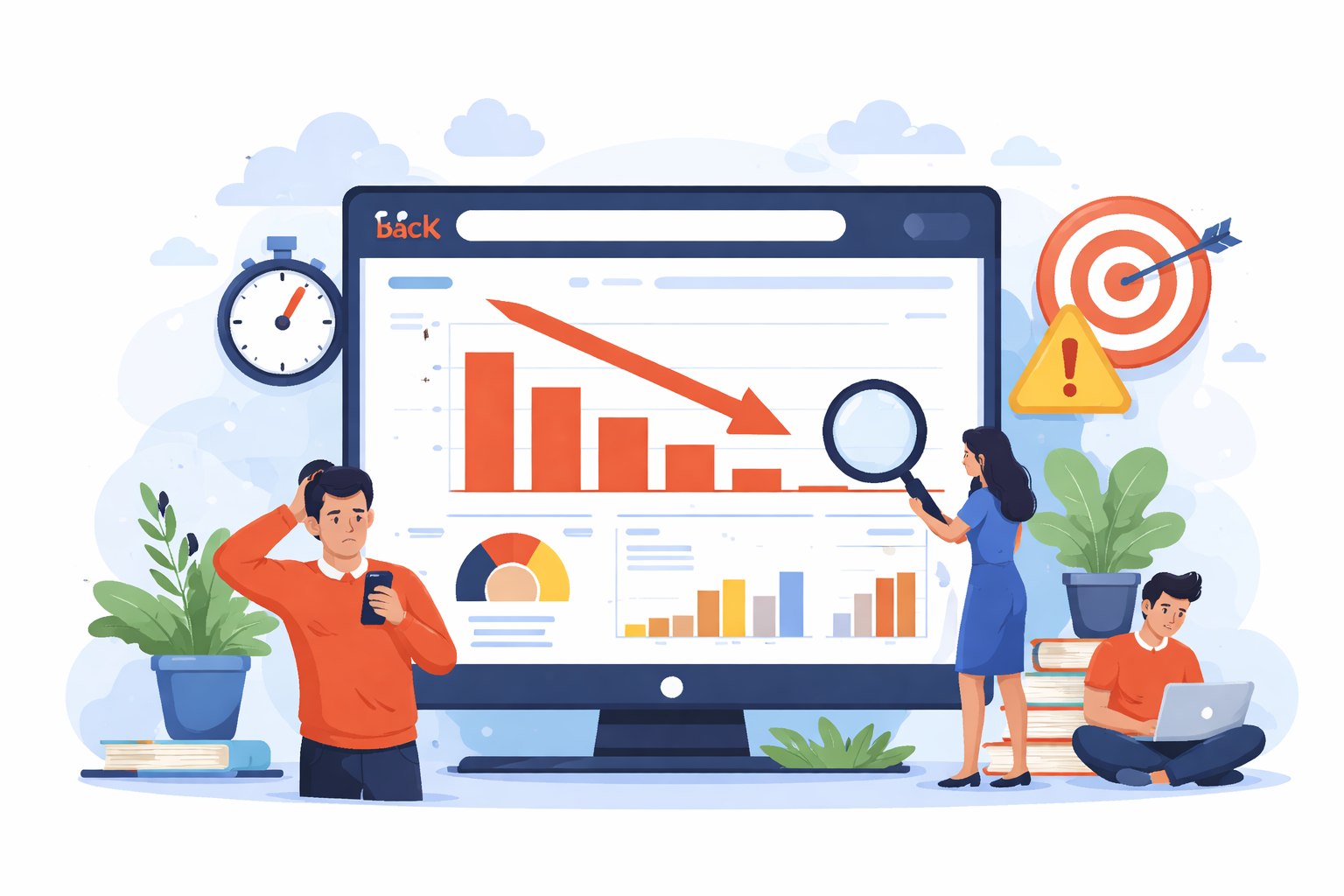
If you care about SEO, conversions, or overall website performance, you can’t ignore bounce rate. It’s one of those metrics that quietly tells you whether visitors are engaging with your content—or leaving without taking action.
But here’s the catch: it is often misunderstood. Many marketers focus on lowering it without fully understanding what it actually represents or how to improve it strategically.
In this guide, you’ll learn what Traffic loss rate really means, why it matters, and how to reduce it using practical, proven methods that actually improve user engagement and performance.
What Is Bounce Rate?
It is the percentage of users who land on a page and leave without taking any further action—no clicks, no navigation, no interaction.
A bounce occurs when:
- A visitor lands on your page
- Leaves without clicking anything else
- Doesn’t trigger any additional events
Formula:
(Single-page sessions ÷ Total sessions) × 100
For example, if 100 users visit your website and 60 leave without interacting, your bounce rate is 60%.
Why Bounce Rate Matters for SEO
It is not a direct Google ranking factor, but it strongly reflects user experience—and that directly impacts SEO performance.
A high percentage typically means:
- Irrelevant content
- Poor user experience
- Slow loading speed
- Weak targeting
A low percentage typically means:
- Users find your content valuable
- Your site is easy to navigate
- Your content matches search intent
To improving it often leads to better engagement, higher dwell time, and improved conversions—especially when you understand how factors like On-Page vs Off-Page SEO influence user behavior and overall site performance.
What Is a Good Bounce Rate?
There’s no one-size-fits-all number—it depends on your website type and industry.
General Benchmarks:
- 26% – 40%: Excellent
- 41% – 55%: Average
- 56% – 70%: Slightly high
- 70%+: Needs attention
Context Matters:
- Blog posts often have higher engagement drop-off rate
- E-commerce sites should aim lower
- Landing pages may naturally have higher visitor exit percentage
Common Reasons for Engagement Drop-off Rate
Before fixing user disengagement rate, you need to understand why users are leaving.
1. Slow Page Load Speed
Users expect pages to load within seconds. Delays lead to immediate exits.
2. Poor Content Relevance
If your content doesn’t match what users are searching for, they leave quickly.
3. Weak User Experience (UX)
Cluttered layouts and confusing navigation frustrate users.
4. Misleading Titles or Meta Descriptions
If your headline promises one thing but delivers another, users won’t stay.
5. No Clear Call-to-Action
Without direction, users have no reason to continue exploring.
How to Improve Bounce Rate (Actionable Strategies)
Improve Page Load Speed
Speed is critical for retaining users.
Tips:
- Compress images
- Use caching
- Minimize scripts
- Choose reliable hosting
Even a one-second delay can significantly increase Page abandonment rate.
Match Content With Search Intent
Your content must align with what users expect.
If someone searches “what is digital marketing” they want:
- A clear explanation
- Real examples
- Practical tips
Deliver exactly that—nothing less, nothing irrelevant.
Write Engaging Introductions
First impressions matter.
Best Practices:
- Start with a problem or question
- Keep sentences short
- Avoid fluff
A strong introduction encourages users to keep reading.
Improve Readability
Users scan content before committing to reading.
Make content easy to read:
- Use short paragraphs
- Add subheadings
- Break text with bullet points
- Highlight key ideas
Better readability increases time on page.
Use Internal Linking Strategically
Internal links help users discover more content and stay longer on your site.
For example, understanding how guest posting helps businesses build authority online can naturally lead readers to explore more SEO strategies and improve engagement.
Optimize for Mobile Experience
Most traffic today comes from mobile devices.
Ensure:
- Responsive design
- Fast mobile load speed
- Easy navigation
- Click-friendly buttons
A poor mobile experience leads to quick exits.
Add Clear Call-to-Actions (CTAs)
Guide users toward the next step.
Examples:
- Read another blog
- Explore services
- Contact your team
Clear CTAs reduce confusion and increase interaction.
Use Visual Elements
Text alone can feel overwhelming.
Add:
- Images
- Infographics
- Charts
- Videos
Visual content improves engagement and reduces Visitor drop-off rate.
Reduce Intrusive Pop-Ups
Pop-ups can hurt user experience if overused.
Avoid:
- Instant pop-ups
- Full-screen interruptions
- Multiple overlapping elements
Use them wisely—timed or exit-intent works best.
Improve Navigation Structure
Make it easy for users to explore.
Tips:
- Simple menu
- Logical structure
- Clear categories
Good navigation encourages users to visit more pages.
Update and Refresh Content
Outdated content can drive users away.
Keep content fresh:
- Update stats
- Add new insights
- Improve readability
Fresh content keeps users engaged and improves SEO.
Invest in Better Website Experience
Sometimes, this metrics issues go deeper than content.
A well-structured, fast, and user-friendly website can significantly improve engagement. Investing in modern design and development ensures users stay longer and interact more.
You can explore solutions like Bridge Your Ideas to Reality with Custom Web Development to create a seamless and high-performing website experience.
Bounce Rate vs Exit Rate
These two metrics are often confused.
Bounce Rate:
- User visits one page and leaves immediately
Exit Rate:
- User leaves after visiting multiple pages
Bounce rate focuses on first interaction, while exit rate measures where users leave in their journey.
Tools to Measure Bounce Rate
Popular Tools:
- Google Analytics
- Google Search Console
- Hotjar
- Microsoft Clarity
These tools provide insights into user behavior and engagement.
Final Thoughts
Bounce rate is a powerful indicator of how well your website connects with visitors. Instead of trying to reduce it artificially, focus on improving the overall user experience.
Deliver valuable content, match user intent, improve speed, and guide users clearly—and your one-page visit rate will improve naturally.
If you’re looking to take your website performance to the next level, investing in affordable digital marketing services can help you build a strategy that not only increase visibility but also increases conversions and long-term growth.