

Influencer Marketing: Is It Still Worth It in 2026?
April 28, 2026
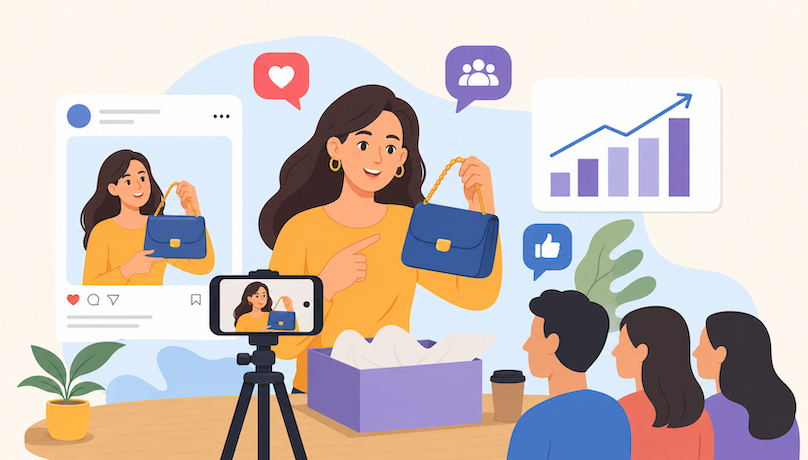
Influencer marketing has changed a lot. A few years ago, brands could partner with a popular creator, post a polished product photo, and expect attention almost instantly. Today, audiences are more selective, platforms are more competitive, and businesses are asking a fair question: is influencer marketing still worth it?
The short answer is yes, but only when it is done with strategy, authenticity, and clear goals. Influencer marketing is no longer about paying someone with a large following to mention your product. It is about building trust, reaching specific audiences, and creating content that feels real enough to move people from awareness to action.
For small businesses, service brands, ecommerce companies, and local businesses, influencer marketing can still be a powerful digital marketing channel. The key is knowing when it makes sense, who to work with, and how to measure whether the campaign is actually helping your business grow.
What Influencer Marketing Means Today
Influencer marketing is a partnership between a brand and a content creator who has the ability to influence purchasing decisions, opinions, or brand awareness within a specific audience.
That influence does not always come from fame. In many cases, it comes from consistency, expertise, relatability, or trust. A creator with 8,000 loyal followers in a niche market can often drive better results than a celebrity with millions of passive followers.
Modern influencer marketing includes product reviews, tutorials, social media posts, short-form videos, unboxings, affiliate campaigns, sponsored content, brand ambassador programs, and user-generated content. It can happen on Instagram, TikTok, YouTube, LinkedIn, podcasts, blogs, and even email newsletters.
What matters most is not the platform itself. It is whether the creator has the right audience, the right message, and the right level of trust.
Why Brands Still Use Influencer Marketing
Consumers are exposed to ads everywhere. They see sponsored posts, display ads, search ads, video ads, and email promotions every day. Because of that, many people naturally filter out traditional advertising.
Influencer marketing works differently because the message comes through a person the audience already follows. When the partnership feels natural, the recommendation can feel more like a trusted opinion than a sales pitch.
That is why brands still use influencer marketing to:
Increase brand awareness
Build credibility
Launch new products
Generate social proof
Reach niche audiences
Create reusable content
Drive traffic, leads, and sales
The value is not just in one post. A strong influencer campaign can create content that supports your website, paid ads, email campaigns, and social media strategy long after the original post goes live.
Is Influencer Marketing Still Worth It?
Influencer marketing is worth it when your business has a clear offer, a defined audience, and a realistic campaign goal. It becomes less effective when brands treat it as a shortcut for instant sales.
A good campaign starts with strategy. You need to know what you want the influencer partnership to accomplish before choosing a creator.
Are you trying to introduce your brand to a new audience? Do you want more website visits? Are you collecting leads? Are you promoting a specific product? Are you trying to build trust in a competitive industry?
When the goal is clear, the campaign becomes easier to plan, track, and improve.
Businesses that need a more structured approach often benefit from flexible marketing services that connect influencer campaigns with SEO, paid ads, content marketing, and conversion-focused strategy.
The Biggest Shift: Trust Matters More Than Reach
One of the biggest mistakes brands make is choosing influencers based only on follower count. A large audience can look impressive, but it does not guarantee engagement, trust, or conversions.
A creator with a smaller but highly engaged community can be more valuable than someone with a massive following and low interaction. This is why micro-influencers and niche creators continue to grow in importance.
Micro-influencers often feel more accessible and relatable. Their followers may see them as real people rather than polished media personalities. That connection can make recommendations feel more genuine.
The best influencer partnerships happen when there is alignment between the creator, the audience, and the brand. If the promotion feels forced, people notice. If it feels useful and honest, people pay attention.
Influencer Marketing Works Best With a Strong Brand Foundation
Influencer marketing can bring people to your business, but your brand still needs to make the right impression once they arrive.
If someone clicks from an influencer’s post to your website and sees outdated visuals, confusing messaging, or a weak offer, the campaign may lose momentum quickly. Your website, landing pages, and brand presentation all need to support the attention you are paying to generate.
This is where strong brand presence becomes important. Influencer marketing creates interest, but your brand experience turns that interest into trust.
A campaign should never operate in isolation. It should connect smoothly to your website, social media profiles, email list, and sales process.
The Pros of Influencer Marketing
Influencer marketing remains valuable because it combines reach, content, and credibility. When done well, it can support several parts of your marketing strategy at once.
It Builds Trust Faster
People often trust people more than brands. A creator who has already built a relationship with an audience can introduce your business in a way that feels more personal.
This does not mean every recommendation will result in instant sales. But it can reduce the trust gap, especially for new or growing brands.
It Helps You Reach Niche Audiences
Traditional advertising can be broad. Influencer marketing allows you to reach specific communities based on interests, location, lifestyle, profession, or buying behavior.
For example, a local fitness studio may get better results from a trusted wellness creator in its city than from a broad paid campaign targeting everyone nearby.
It Creates Useful Content
Influencer campaigns often produce photos, videos, reviews, testimonials, and demonstrations. With the right usage rights, brands can repurpose this content across ads, websites, emails, and social media.
This is especially useful because creator-led content often feels more natural than studio-produced advertising.
It Supports Social Proof
When people see others using or recommending your product, it can make your brand feel more credible. This is especially helpful for businesses that are new, launching a product, or entering a competitive market.
The Cons of Influencer Marketing
Influencer marketing is not perfect. Like any digital marketing strategy, it has risks and limitations.
Results Are Not Always Immediate
Some campaigns drive quick traffic or sales, but others are better for awareness and long-term trust. Expecting every influencer post to produce instant revenue can lead to disappointment.
Influencer marketing often works best as part of a broader funnel. The first interaction may create awareness, while retargeting ads, email campaigns, or SEO content help convert that attention later.
Fake Engagement Can Be a Problem
Follower counts can be inflated. Engagement can be purchased. Comments can be shallow or automated.
That is why brands need to review creator quality carefully. Look beyond numbers and study the actual comments, audience fit, content style, and past partnerships.
Creative Control Requires Balance
Brands often want specific messaging, but overly scripted influencer content can feel unnatural. The creator understands their audience better than anyone, so there needs to be room for their own voice.
A good brief gives direction without removing authenticity.
Tracking Can Be Messy
Influencer marketing performance is not always as clean as paid search or email marketing. Some users may see the content, search your brand later, visit your website directly, or convert days after the campaign.
Using tracking links, promo codes, landing pages, and campaign-specific calls to action can help, but attribution will not always be perfect.
How to Know If Influencer Marketing Is Right for Your Business
Influencer marketing is not ideal for every business at every stage. Before investing in it, ask whether your business is ready to turn attention into action.
You may be ready if you have:
A clear offer
A defined target audience
A professional website or landing page
A product or service people can easily understand
A way to track leads, traffic, or sales
A budget for testing
You may need to improve your foundation first if your messaging is unclear, your website is outdated, or your customer journey is confusing.
For app-based businesses or digital products, the experience after the click matters even more. A creator can bring users in, but UX UI design can affect whether they stay, explore, and convert.
Micro-Influencers vs Macro-Influencers
Choosing between micro-influencers and macro-influencers depends on your goals.
Micro-influencers usually have smaller audiences but stronger community relationships. They can be excellent for niche campaigns, local promotions, product testing, and authentic recommendations.
Macro-influencers have larger audiences and can be useful for brand awareness, major launches, and broad exposure. However, they often cost more and may have lower engagement rates compared to smaller creators.
For many small and mid-sized businesses, micro-influencers are often the better starting point. They are usually more affordable, easier to collaborate with, and more connected to a specific audience.
The best approach may involve working with several smaller creators instead of spending the entire budget on one large influencer.
How to Choose the Right Influencer
The right influencer is not always the most popular one. The right influencer is the one whose audience matches your ideal customer.
Look at the creator’s content style, engagement quality, audience demographics, values, and previous brand partnerships. Pay attention to whether their followers ask real questions, share opinions, and respond naturally.
Also consider whether the creator’s tone fits your brand. A luxury brand, a local service business, and a playful ecommerce store may all need very different types of influencers.
A strong partnership should feel believable. If the influencer would never naturally use or discuss your product, the campaign may feel forced.
What Makes an Influencer Campaign Successful?
A successful influencer campaign starts with a clear brief. The brief should explain the campaign goal, key message, product details, required deliverables, posting dates, disclosure requirements, and tracking method.
However, the brief should not turn the creator into a script reader. The best content usually happens when the creator understands the goal and communicates it in their own style.
Strong campaigns also include:
Clear calls to action
Campaign-specific landing pages
Discount codes or tracking links
Content usage agreements
Performance reporting
Follow-up strategy
The campaign should feel connected to the rest of your marketing. If the influencer creates awareness, your website, email sequence, retargeting ads, and sales process should continue the conversation.
This is also why many businesses work with teams that understand strategy beyond one platform. Choosing a results focused partner can help ensure influencer campaigns are tied to measurable business goals.
How Much Should You Spend on Influencer Marketing?
Influencer marketing costs vary widely. Some creators accept gifted products, while others charge hundreds or thousands of dollars per post or video.
Pricing usually depends on audience size, engagement rate, niche, content format, platform, usage rights, exclusivity, and campaign complexity.
Instead of focusing only on cost, think about value. A creator who charges more but produces high-quality content and reaches your exact target audience may be more cost-effective than a cheaper creator with poor audience fit.
For beginners, it is often smart to start with a test campaign. Work with a few smaller creators, compare performance, and use the results to guide future spending.
How to Measure Influencer Marketing ROI
To understand whether influencer marketing is worth it, you need to track performance based on your campaign goal.
If your goal is awareness, track reach, impressions, engagement, follower growth, branded searches, and website traffic.
If your goal is leads, track form submissions, email signups, calls, bookings, and landing page conversions.
If your goal is sales, track revenue, promo code usage, conversion rate, average order value, and customer acquisition cost.
Do not judge every campaign only by direct sales. Some influencer campaigns help build awareness and trust, which can support conversions later through other channels.
The important thing is to define success before the campaign starts.
Influencer Marketing for Service-Based Businesses
Influencer marketing is often associated with beauty, fashion, food, and ecommerce, but service-based businesses can also benefit.
Local service providers, consultants, designers, wellness businesses, real estate professionals, and home improvement companies can use influencer partnerships to build credibility and visibility.
For service businesses, the content should focus on experience, transformation, expertise, or results. A creator might document a consultation, share a before-and-after experience, review the process, or explain how the service helped them.
This approach works especially well when the service is visual or lifestyle-driven. For example, interior design marketing can benefit from creator content that shows style, trust, and the finished experience.
Common Mistakes to Avoid
One common mistake is choosing influencers only because they have a big audience. Bigger does not always mean better.
Another mistake is failing to set clear expectations. Without a proper brief, brands may receive content that does not match the campaign goal.
Some businesses also forget to negotiate content usage rights. If you want to use influencer content in ads, on your website, or in email campaigns, that should be agreed upon in advance.
It is also risky to run a campaign without a landing page or tracking system. If you cannot measure performance, it becomes difficult to know what worked.
Finally, avoid partnerships that feel unnatural. Audiences can tell when a promotion does not fit the creator’s usual content or values.
The Future of Influencer Marketing
Influencer marketing is moving toward authenticity, niche communities, and performance-based partnerships. Brands are becoming more selective, and audiences are becoming more aware of sponsored content.
Creators who build genuine trust will continue to be valuable. Brands that treat influencer marketing as a relationship, not just a transaction, will usually see better results.
Short-form video will likely remain important, but long-form content, newsletters, podcasts, and community-based platforms can also play a role. The best strategy depends on where your audience spends time and how they make decisions.
So, Is Influencer Marketing Still Worth It?
Yes, influencer marketing is still worth it, but it is not a magic solution. It works best when it is strategic, authentic, and connected to the rest of your digital marketing plan.
The brands that benefit most are the ones that choose the right creators, set clear goals, track meaningful results, and create a smooth path from discovery to conversion.
Influencer marketing should not replace SEO, website optimization, paid ads, email marketing, or strong branding. Instead, it should support them. When everything works together, influencer marketing can become a powerful way to build trust, reach new audiences, and grow your business.
FAQ
Is influencer marketing still effective in 2026?
Yes, influencer marketing is still effective when brands work with the right creators and set clear goals. The most successful campaigns focus on trust, audience fit, and useful content rather than follower count alone.
Are micro-influencers better than big influencers?
Micro-influencers can be better for niche campaigns because they often have stronger engagement and closer relationships with their audience. Big influencers may be useful for large awareness campaigns, but they are not always the best choice for conversions.
How do I measure influencer marketing success?
You can measure success through reach, engagement, website traffic, leads, sales, promo code usage, conversion rates, and customer acquisition cost. The right metrics depend on your campaign goal.
How much should a small business spend on influencer marketing?
Small businesses should usually start with a test budget. Working with a few micro-influencers can help you learn what works before investing in larger campaigns.
What platform is best for influencer marketing?
The best platform depends on your audience. TikTok and Instagram are strong for visual and lifestyle content, YouTube works well for deeper reviews, and LinkedIn may be better for B2B services.
Can influencer marketing work for local businesses?
Yes, local businesses can benefit from working with creators who have influence in a specific city or community. Local influencers can help drive awareness, trust, visits, bookings, and referrals.