

How HVAC Companies Capture Seasonal Search Demand
January 28, 2026
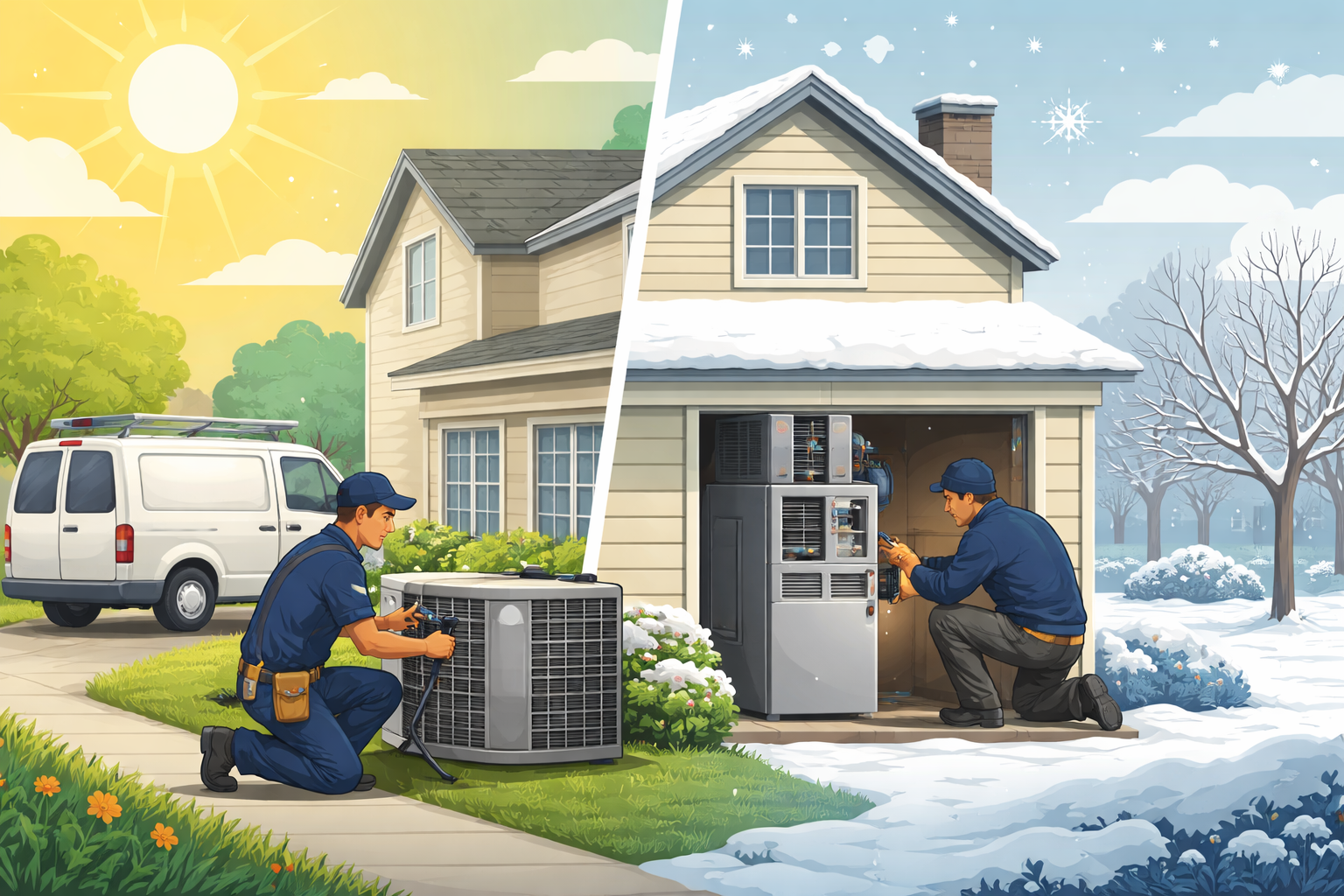
Seasonal demand is the backbone of most HVAC businesses. When temperatures swing to extremes, homeowners don’t browse casually — they search with urgency. The HVAC companies that appear first during these moments aren’t relying on chance. They’ve built a deliberate strategy to capture seasonal search demand before competitors even react.
Understanding how search behavior changes throughout the year allows HVAC companies to align their online presence with real customer intent, weather patterns, and buying urgency — turning seasonal spikes into predictable lead flow.
Why Seasonal Search Matters for HVAC Companies
HVAC services are closely tied to climate conditions. Unlike many industries, demand can surge overnight due to a heatwave, cold snap, or unexpected system failure.
When homeowners search during these moments, they’re not comparing options — they’re ready to act.
Seasonal Searches Drive Higher Conversion Rates
Seasonal HVAC searches often include urgent modifiers like “near me,” “emergency,” or “same day.” These signals indicate immediate intent, making them far more valuable than general research-based queries.
This urgency-driven behavior is similar to how restaurant reservations increase when dining demand peaks during holidays or weekends — visibility at the right moment determines who wins the customer.
Understanding HVAC Seasonal Search Cycles
To capture demand effectively, HVAC companies must understand how search intent shifts across the year.
Summer: Cooling Failures and Emergency Repairs
During summer, air conditioning failures dominate search activity. Queries spike rapidly during heatwaves, often with strong local intent.
Content and landing pages should emphasize emergency response, fast scheduling, and local availability to align with user expectations.
Winter: Heating Reliability and Safety
Cold weather drives searches related to furnaces, heat pumps, and heating safety. Homeowners prioritize reliability and credentials during this season.
Messaging should reinforce trust, certifications, and preventative maintenance to ease decision-making under stress.
Shoulder Seasons: Maintenance and System Upgrades
Spring and fall are quieter but strategically important. Searches focus on inspections, tune-ups, and efficiency upgrades.
These periods are ideal for building visibility and authority before peak seasons arrive.
Creating Seasonal HVAC Pages That Rank and Convert
Generic service pages rarely perform well during high-intent seasons. High-performing HVAC companies create pages tailored to seasonal demand.
Location-Specific Seasonal Pages
Seasonal HVAC searches are almost always local. Pages that mention specific cities, neighborhoods, and service areas perform significantly better than broad pages.
Local relevance builds trust and aligns with how search engines evaluate proximity-based intent.
Seasonal Keyword Targeting Done Naturally
Seasonal keywords should appear organically within content, reflecting real customer language. Addressing common problems clearly improves both rankings and conversions without keyword stuffing.
Publishing Content Before Seasonal Demand Peaks
One of the biggest mistakes HVAC companies make is waiting until demand spikes to publish content.
Early Indexing Creates a Competitive Advantage
Search engines need time to crawl, index, and rank pages. Publishing seasonal content early allows visibility to build before competition intensifies.
This same early-prep strategy is why mortgage professionals see better results when they align content with market shifts instead of reacting late.
Answering Urgent Seasonal Questions
During peak seasons, homeowners search for clear answers fast. Content that addresses warning signs, system failures, and next steps captures clicks and builds trust immediately.
Local SEO and Seasonal Visibility
Local SEO becomes even more critical during seasonal surges.
Optimizing Google Business Profile for Each Season
Updating services, descriptions, and photos to match seasonal offerings improves relevance. Emergency services should be highlighted during peak months, while maintenance messaging works well in off-seasons.
These signals help search engines understand current service focus.
Seasonal Reviews Strengthen Trust
Recent reviews mentioning seasonal services reassure new customers. Encouraging satisfied clients to reference the service performed adds contextual relevance that improves local rankings.
Using Paid Search to Support Seasonal SEO
While SEO builds long-term authority, paid search captures immediate demand.
Weather-Triggered Advertising
Some HVAC companies adjust ad spend based on weather forecasts, increasing visibility during extreme conditions. This ensures presence when homeowners need help most.
This reactive visibility mirrors how roofing companies capture high-intent leads during storm seasons by aligning ads with real-world events.
Matching Ads to Seasonal Landing Pages
Paid traffic should always land on season-specific pages. Alignment between ad copy and page content reduces bounce rates and improves conversions.
Data-Driven Seasonal Forecasting
Predicting seasonal demand accurately allows HVAC companies to stay ahead.
Analyzing Historical Search Data
Past search trends reveal predictable demand cycles. Reviewing analytics data helps identify which services spike and when.
Combining Weather and Search Insights
Local climate patterns provide context to search data. Extreme summers or mild winters can significantly shift demand timing and volume.
Businesses that adapt quickly gain a measurable advantage.
Strategic Internal Linking for Seasonal Authority
Internal linking helps search engines understand page relationships and service priority.
Reinforcing Seasonal Service Pages
Linking related services together strengthens topical authority and improves crawlability. These links should feel natural within the content flow.
This structure supports consistent visibility across service areas, similar to how comprehensive marketing strategy frameworks reinforce performance across channels.
Supporting Pages With Contextual Relevance
Blog content should naturally reference relevant services without interrupting readability. Context-driven links signal expertise and depth.
Technical SEO During Peak Demand
Even strong content can underperform if technical foundations are weak.
Mobile Performance Is Critical
Many HVAC searches happen on mobile devices under stress. Fast load times and click-to-call functionality are essential for capturing leads.
Ensuring Pages Are Indexed Early
Seasonal pages must be live and indexed well before demand peaks. Late deployment often means missing the most profitable window.
Routine audits prevent costly visibility losses.
Turning Seasonal Leads Into Long-Term Growth
Seasonal demand creates opportunities beyond immediate revenue.
Retention and Follow-Up
Capturing contact information enables follow-up campaigns, maintenance plans, and reminders that stabilize revenue year-round.
Building Compounding Search Authority
Each successful season strengthens domain authority. Over time, this reduces reliance on paid ads and improves organic performance across services.
Conclusion
Seasonal search demand isn’t unpredictable — it’s patterned, measurable, and highly profitable when approached strategically. HVAC companies that align SEO, content, local optimization, and paid campaigns with real-world demand cycles consistently outperform those who react too late.
Preparation, data-driven execution, and user-focused content turn seasonal urgency into sustained business growth.