

Best Solar Inverters for Home Solar Systems
May 22, 2026
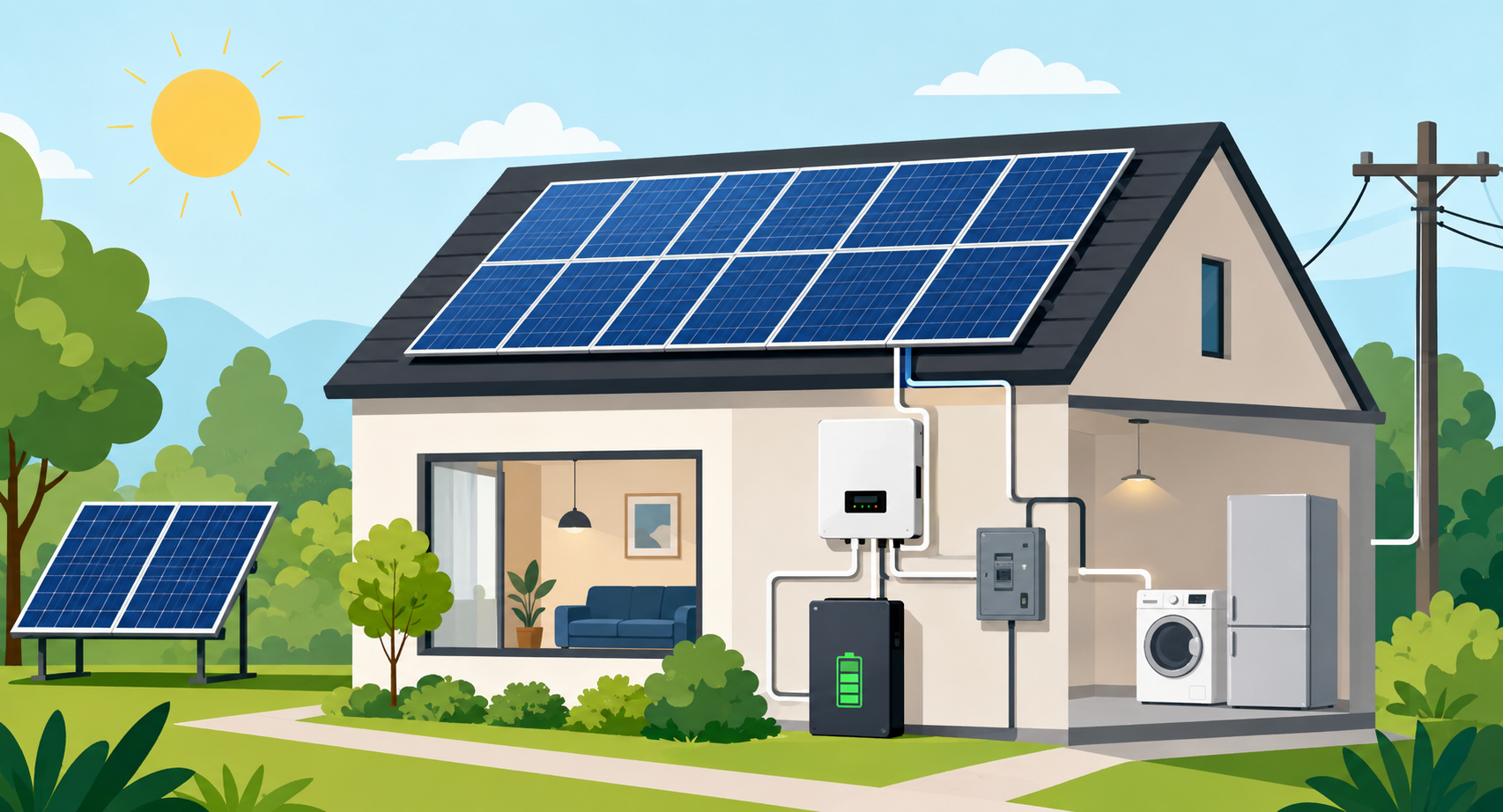
Switching to solar energy is one of the smartest long-term investments homeowners can make. But while solar panels often get the most attention, the inverter is what keeps the entire system running efficiently.
Solar inverters convert the direct current (DC) electricity generated by solar panels into alternating current (AC) electricity your home can actually use. Choosing the right inverter affects your system’s energy production, long-term reliability, monitoring capabilities, and overall return on investment.
With several inverter options available today, understanding how each one works can help you choose the best setup for your home, budget, and energy goals.
What Does a Solar Inverter Do?
A solar inverter acts as the control center of a solar power system. Solar panels generate DC electricity, but homes operate on AC electricity. The inverter handles that conversion while also helping monitor system performance and maintain safe electrical operation.
Modern solar inverters also provide:
- Energy production tracking
- Safety shutdown protection
- Grid synchronization
- Battery integration support
- Panel-level performance monitoring
Without an efficient inverter, even high-quality solar panels cannot perform at their best.
Why Choosing the Right Solar Inverter Matters
Not all homes have the same roof design, sun exposure, or electricity usage patterns. Some homes experience partial shading from trees, neighboring buildings, or chimneys. Others may have complex roof layouts with panels facing different directions.
The right inverter can help maximize energy production despite these conditions.
Factors that influence inverter selection include:
- Roof orientation
- Shading levels
- System size
- Budget
- Monitoring preferences
- Future battery storage plans
- Long-term maintenance expectations
Choosing the wrong inverter may reduce energy efficiency and impact the overall value of your solar investment.
Comparing the Main Types of Solar Inverters
Understanding the differences between inverter technologies makes it easier to determine which setup fits your home best.
String Inverters
String inverters remain one of the most common and affordable options for residential solar systems.
In this setup, multiple solar panels connect together into a “string,” and all the generated electricity flows through a single inverter.
How String Inverters Work
Each panel in the string contributes energy to the central inverter. The inverter then converts the combined DC electricity into usable AC power for the home.
This setup works best when all panels receive similar sunlight throughout the day.
Advantages of String Inverters
Lower Installation Cost
String inverters are usually the most budget-friendly option. Since one inverter handles multiple panels, hardware and installation costs are lower.
Simpler System Design
These systems are relatively straightforward to install and maintain, making them popular for standard residential setups.
Reliable for Full-Sun Roofs
Homes with large, unobstructed roof areas often perform very well with string inverters.
Limitations of String Inverters
Shading Can Reduce Performance
If one panel in the string becomes shaded or underperforms, the output of the entire string can drop.
Limited Panel-Level Monitoring
Most standard string inverter systems monitor performance at the system level rather than individual panel level.
Best Homes for String Inverters
String inverters are ideal for:
- Large south-facing roofs
- Homes with minimal shading
- Budget-conscious installations
- Simple roof layouts
Microinverters
Microinverters have become increasingly popular because they allow each solar panel to operate independently.
Instead of one central inverter, every panel gets its own dedicated microinverter.
How Microinverters Work
Each solar panel converts DC to AC electricity individually. This means one panel’s performance does not directly impact the others.
Advantages of Microinverters
Better Performance in Partial Shade
Microinverters excel in conditions where sunlight varies across the roof.
If one panel is shaded, the remaining panels continue operating at full capacity.
Individual Panel Monitoring
Many microinverter systems allow homeowners to track the performance of each panel separately.
This makes identifying maintenance issues much easier.
Increased System Flexibility
Microinverters work well for:
- Complex roof designs
- Multiple roof angles
- Homes with trees nearby
- Future solar expansion projects
Limitations of Microinverters
Higher Upfront Cost
Because every panel requires its own inverter, installation costs are generally higher.
More Components on the Roof
More equipment means there are additional parts that could potentially require servicing over time.
Best Homes for Microinverters
Microinverters are excellent for:
- Roofs with partial shading
- Multi-direction roof layouts
- Smaller solar systems
- Homeowners wanting detailed monitoring
Central Inverters
Central inverters are commonly used in large commercial or utility-scale solar installations.
They operate similarly to string inverters but on a much larger scale.
How Central Inverters Work
Large groups of solar panels connect to one centralized inverter system.
These systems prioritize cost efficiency for large energy production environments.
Advantages of Central Inverters
Cost Efficiency for Large Installations
Central inverters reduce equipment costs in large-scale solar projects.
Simplified Maintenance Access
Commercial systems often centralize equipment for easier service access.
Limitations of Central Inverters
Reduced Flexibility
Central inverters are less adaptable to varying roof conditions or shading.
Lower Residential Suitability
Most homeowners benefit more from string inverters or microinverters because residential roofs tend to have more layout complexity.
Best Applications for Central Inverters
These systems are most suitable for:
- Solar farms
- Industrial facilities
- Large commercial buildings
Power Optimizers
Power optimizers combine aspects of string inverter systems and microinverters.
They attach to individual panels while still using a central inverter.
How Power Optimizers Work
Each optimizer manages panel-level performance before sending electricity to the main inverter.
This improves efficiency without fully converting power at each panel.
Advantages of Power Optimizers
Improved Shading Performance
Power optimizers reduce the performance losses caused by shaded or underperforming panels.
Panel-Level Monitoring
Like microinverters, many optimizer systems provide detailed monitoring for each panel.
Lower Cost Than Full Microinverter Systems
Power optimizers often cost less than complete microinverter installations while still offering performance benefits.
Limitations of Power Optimizers
Still Requires a Central Inverter
Because these systems still rely on a central inverter, there remains a single major conversion point.
Best Homes for Power Optimizers
Power optimizers work well for:
- Moderate shading conditions
- Mixed roof orientations
- Homeowners wanting advanced monitoring
- Mid-range solar budgets
Which Solar Inverter Is Best for Your Home?
The best inverter depends on your home’s layout, shading conditions, and long-term energy goals.
Here’s a simplified comparison:
| Inverter Type     | Best For              | Main Advantage     | Main Limitation             |
|-------------------|-----------------------|--------------------|-----------------------------|
| String Inverters  | Full-sun roofs        | Affordable         | Shade affects performance   |
| Microinverters    | Shaded roofs          | Panel independence | Higher cost                 |
| Central Inverters | Commercial systems    | Scalable           | Not ideal for homes         |
| Power Optimizers  | Mixed roof conditions | Better efficiency  | Still uses central inverter |
A professional solar installer can assess your roof and recommend the most efficient setup for your property.
Solar Inverter Efficiency Explained
Inverter efficiency measures how effectively DC electricity converts into usable AC power.
Most modern residential inverters operate between 95% and 98% efficiency.
Even small efficiency differences can impact long-term energy savings.
Factors affecting inverter efficiency include:
- Heat exposure
- Shading
- Wiring quality
- Panel compatibility
- System maintenance
High-efficiency inverters may cost more upfront but can improve overall system performance over time.
How Long Do Solar Inverters Last?
Solar inverter lifespan varies by type.
Typical Lifespan Estimates
- String inverters: 10–15 years
- Microinverters: 20–25 years
- Power optimizers: 20–25 years
- Solar panels: 25–30 years
Since solar panels often outlast string inverters, homeowners may need at least one inverter replacement during the system’s lifetime.
Signs Your Solar Inverter May Need Replacement
Watch for these common warning signs:
- Reduced energy production
- Error messages on the display
- Frequent shutdowns
- Unusual noises
- Connectivity issues
- Flashing warning lights
Routine inspections and monitoring can help detect problems early.
Should You Add Battery Storage?
Many modern inverters support battery integration, allowing homeowners to store excess solar energy for later use.
Battery-ready systems offer advantages such as:
- Backup power during outages
- Reduced dependence on the grid
- Better energy management
- Increased long-term energy savings
If future battery storage is part of your plan, choosing a compatible inverter from the beginning can reduce future upgrade costs.
Are Solar Panels Covered by Home Insurance?
Many homeowners wonder whether their solar investment is protected under standard insurance policies.
Coverage often depends on whether the panels are roof-mounted, ground-mounted, or leased. Understanding your policy details is important before installation.
Building a Complete Solar Energy System
Solar panels are only one part of a larger renewable energy setup. Inverters, batteries, mounting systems, and monitoring technology all work together to improve performance and reliability.
Professional Installation Matters
Even the best solar inverter cannot compensate for poor installation.
A qualified solar installer helps ensure:
- Proper system sizing
- Safe electrical connections
- Roof compatibility
- Local code compliance
- Optimal panel placement
Professional installation also protects warranties and improves long-term system performance.
Final Thoughts
Choosing the right solar inverter plays a major role in how efficiently your solar energy system performs over time.
String inverters remain affordable and effective for homes with full sun exposure. Microinverters offer superior flexibility and performance for complex or partially shaded roofs. Power optimizers provide a balanced middle-ground solution for many homeowners.
By understanding how different inverter technologies work, you can make a more informed decision that supports your energy savings, system reliability, and long-term sustainability goals.
Frequently Asked Questions
What is the most efficient type of solar inverter?
Microinverters and power optimizer systems are often considered the most efficient in shaded or complex roof conditions because they optimize performance at the panel level.
Are microinverters worth the extra cost?
For homes with shading, multiple roof angles, or future expansion plans, microinverters can provide better long-term energy production and monitoring benefits.
Can I upgrade my inverter later?
Yes. Many homeowners upgrade their inverter systems later, especially when adding battery storage or expanding their solar setup.
Do solar inverters require maintenance?
Solar inverters generally require minimal maintenance, but periodic inspections and monitoring are recommended to ensure proper operation.
How do I know which inverter is right for my home?
A professional solar assessment can evaluate your roof, energy usage, shading conditions, and budget to recommend the best inverter solution.
Will my inverter work during a power outage?
Most standard grid-tied solar systems shut down during outages for safety reasons. However, battery-backed systems may continue supplying power.