

5 Reasons Your Business Isn’t Ranking on Google
April 22, 2026
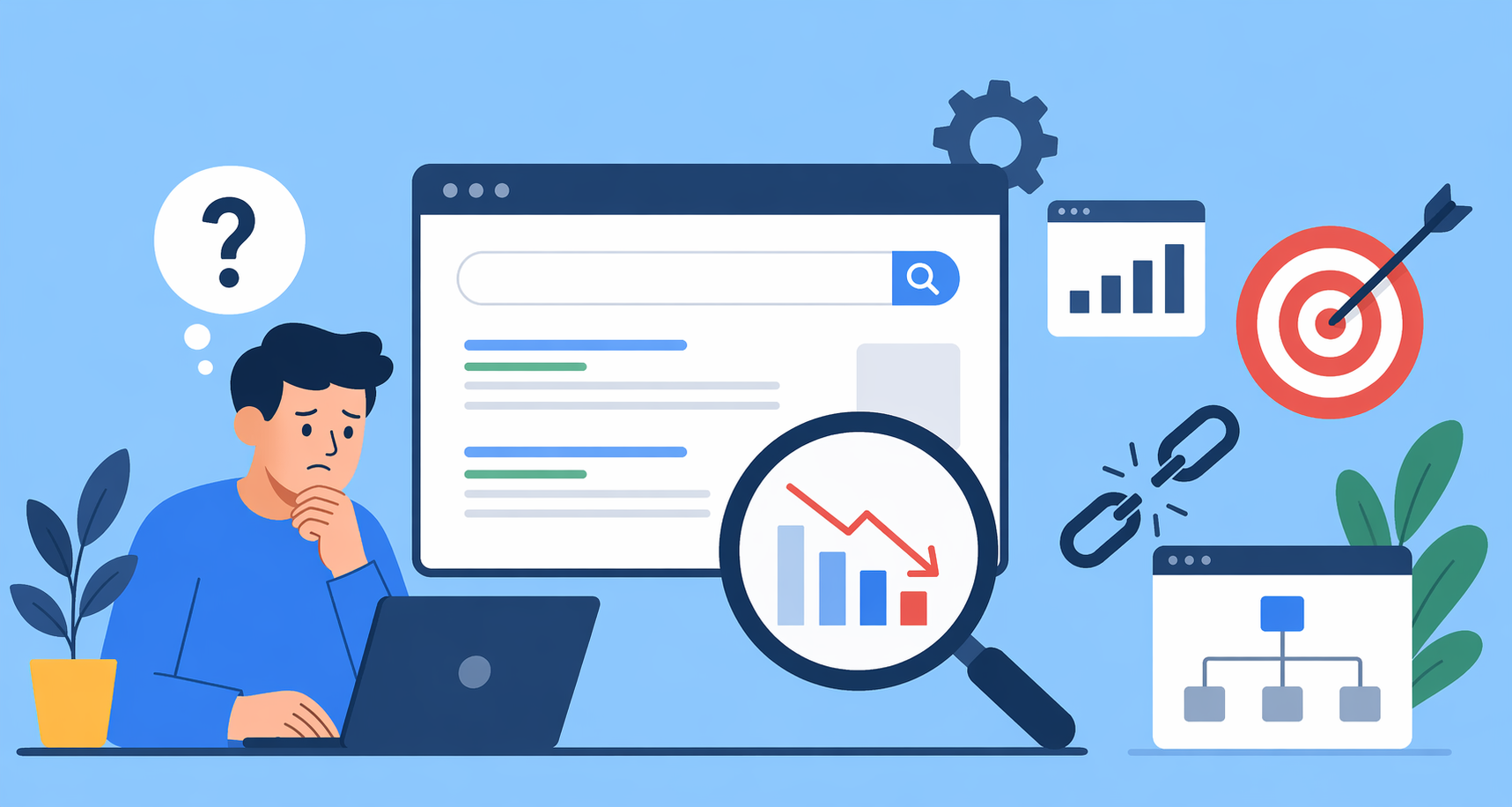
If your business isn’t showing up on Google, you’re not alone—and more importantly, it’s not random. Ranking on Google comes down to clear, measurable factors. When those aren’t aligned, even great businesses get buried under competitors who simply understand how search works better.
The good news? Once you know what’s holding you back, you can fix it.
In this guide, we’ll break down the real reasons your business isn’t ranking—and what you can do today to start moving up.
Why Google Rankings Matter More Than Ever
Before diving into the issues, it’s important to understand what’s at stake.
Most customers don’t go past the first page of Google. If your business isn’t there, you’re essentially invisible to people actively searching for your services.
That means lost traffic, fewer leads, and missed revenue opportunities.
1. Your Website Isn’t Optimized for SEO
What’s going wrong
Many businesses have websites that look good but aren’t built for search engines. Google relies on structured signals—like keywords, headings, and metadata—to understand what your site is about.
If those signals are missing or unclear, your site won’t rank.
Common SEO mistakes
- No keyword targeting
- Missing title tags and meta descriptions
- Poor heading structure (no H1, H2 hierarchy)
- Slow loading speed
- Not mobile-friendly
How to fix it
Start with a solid foundation. Your pages should clearly target specific keywords your audience is searching for.
If you’re unsure how to structure this properly, learning the basics of search engine optimization can help you understand how Google evaluates your site—and where you’re falling short.
2. You’re Targeting the Wrong Keywords
What’s going wrong
Trying to rank for broad keywords like “marketing” or “business” is a losing battle for most companies. These terms are highly competitive and often dominated by big brands.
Even worse, they may not bring in the right audience.
Why keyword intent matters
Google prioritizes content that matches what users actually want. If your content doesn’t align with search intent, it won’t rank—even if it’s well-written.
How to fix it
Focus on long-tail keywords with clear intent. For example:
- Instead of “marketing,” target “digital marketing for small businesses”
- Instead of going after a broad keyword like “photography,” focus on more specific terms your ideal clients are actually searching for. A good example is local visibility strategies, which feels more targeted and gives you a better chance of ranking for the right audience.
These keywords may have lower search volume, but they attract users who are ready to take action.
3. Your Content Isn’t Strong Enough
What’s going wrong
Thin, generic, or outdated content won’t rank anymore. Google rewards depth, clarity, and usefulness.
If your content doesn’t provide real value, it won’t compete.
Signs your content needs improvement
- Short blog posts with little detail
- No clear structure or headings
- Content that doesn’t answer user questions
- No updates over time
How to fix it
Create content that solves problems and goes deeper than your competitors.
For example, instead of publishing a broad, generic article, create content tailored to a specific audience—like interior designers. Niche content like this feels more relevant to the right readers and often has a better chance of ranking well on Google.
Also, aim for:
- 1,000–1,500+ words per blog
- Clear headings and sections
- Actionable insights
4. You Don’t Have Enough Authority (Backlinks)
What’s going wrong
Google uses backlinks—links from other websites—as a trust signal. If no one is linking to your site, Google has little reason to rank you higher.
Think of backlinks as votes of confidence.
Why authority matters
Even if your content is good, competitors with stronger authority will outrank you.
How to fix it
Focus on building quality backlinks:
- Guest posting on relevant sites
- Getting featured in industry blogs
- Building partnerships
- Creating shareable content
Authority takes time to build, but it’s one of the most powerful ranking factors.
5. You Don’t Have a Clear Strategy
What’s going wrong
Many businesses treat SEO like a one-time task instead of an ongoing strategy. They publish a few blogs, tweak their website, and expect results.
That’s not how ranking works.
What a real strategy looks like
- Consistent content publishing
- Keyword planning
- Technical optimization
- Performance tracking
- Continuous improvements
If you’re not sure where to begin, it helps to look at what a strong strategy actually includes. A practical guide on how to choose the right agency can give you a clearer picture of what a structured, results-focused approach should look like.
How to Start Improving Your Rankings Today
You don’t need to fix everything at once. Focus on these steps:
- Audit your website for SEO issues
- Identify better keywords
- Improve your existing content
- Start building backlinks
- Create a long-term plan
Consistency matters more than quick wins.
Common Mistakes to Avoid
Even with the right intentions, these mistakes can slow your progress:
- Ignoring mobile optimization
- Keyword stuffing
- Copying competitor content
- Publishing low-quality blogs
- Expecting overnight results
SEO is a long-term investment, but the payoff is worth it.
FAQ: Why Your Business Isn’t Ranking on Google
How long does it take to rank on Google?
Most websites start seeing results in 3 to 6 months. Competitive niches may take longer.
Can I rank without backlinks?
It’s possible for low-competition keywords, but for most cases, backlinks are essential.
Is SEO still worth it in 2026?
Yes. SEO remains one of the highest ROI marketing strategies because it brings consistent, organic traffic.
How often should I update my website?
Regular updates are important. Aim to publish new content weekly or bi-weekly and refresh older pages every few months.
Should I hire an SEO expert?
If you want faster and more reliable results, working with professionals can help you avoid costly mistakes.
Final Thoughts
If your business isn’t ranking on Google, it’s not because of bad luck—it’s because of fixable issues.
The key is understanding where you’re falling short and taking consistent action to improve.
SEO isn’t instant, but it’s one of the most powerful ways to grow your business online when done right.