

When Is Open Enrollment for Health Insurance?
July 31, 2026
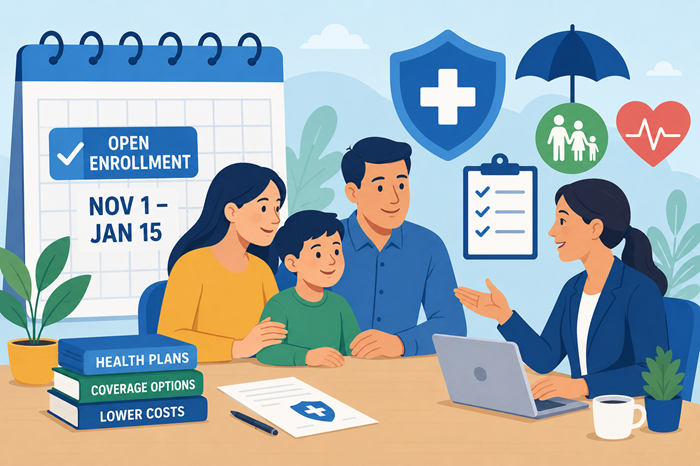
Open enrollment is one of the most important times of the year for anyone looking to enroll in or update health insurance coverage. Whether you’re purchasing a policy for the first time, changing your existing plan, or reviewing your options, understanding how the enrollment period works can help you avoid missing important deadlines and ensure you have the right coverage for your healthcare needs.
If you’ve been searching for when is open enrollment for health insurance, it’s important to know that while the coverage year changes, the enrollment process generally follows a consistent schedule each year. This guide explains when open enrollment usually takes place, who should enroll, how to prepare, and what factors to consider before choosing a policy.
What Is Open Enrollment for Health Insurance?
Open enrollment is the annual period during which individuals and families can apply for health insurance, renew an existing policy, or switch to a different plan without needing a qualifying life event.
Outside this window, most people can only enroll if they qualify for a Special Enrollment Period due to events such as marriage, childbirth, or loss of existing coverage. That’s why understanding the annual enrollment timeline is essential for maintaining continuous protection.
When Is Open Enrollment for Health Insurance?
For most people purchasing individual or family coverage through the health insurance marketplace, open enrollment typically begins in early November and continues through mid-January of the following year. During this period, you can enroll in a new policy, renew your current coverage, or switch to a different plan for the upcoming coverage year.
While the exact dates may vary slightly depending on your state, the November-to-January timeframe is the standard schedule most people can expect. Some state-operated marketplaces may offer extended enrollment periods, giving residents additional time to select a policy.
Rather than waiting until the final days, it’s always a smart idea to begin comparing coverage options early. This gives you enough time to review benefits, understand costs, and complete your application without unnecessary pressure.
Why Open Enrollment Is Important
Choosing the right health insurance policy is about much more than comparing monthly premiums. It gives you an opportunity to evaluate your healthcare needs and make sure your coverage still fits your lifestyle and budget.
During open enrollment, you can:
- Enroll in a new policy
- Renew your current coverage
- Compare benefits and costs
- Update dependent information
- Review provider networks
- Select coverage that better matches your healthcare needs
Many people automatically renew their existing plan without checking for better alternatives. Taking a little time to compare your options each year could result in improved coverage or lower overall healthcare expenses.
Who Should Enroll During Open Enrollment?
Open enrollment is designed for anyone who needs individual or family health insurance coverage for the upcoming year.
You should consider enrolling if you:
- Need new coverage for yourself or your family
- Want to replace your current policy
- Recently lost employer-sponsored insurance
- Need to add dependents to your coverage
- Want to compare new policy options
Working with a trusted health insurance provider can make the process easier by helping you compare available plans and understand which options best suit your needs.
What Happens If You Miss Open Enrollment?
Missing the enrollment period doesn’t automatically mean you’ll have to wait another full year for coverage.
You may still qualify for a Special Enrollment Period if you experience certain life events, including:
Marriage
Getting married usually allows you to enroll in health insurance outside the regular enrollment period.
Birth or Adoption
Welcoming a new child into your family qualifies you to update or obtain coverage.
Loss of Existing Coverage
If you lose employer-sponsored insurance or another qualifying policy, you may become eligible for a Special Enrollment Period.
Moving to a New State
Relocating to another state or service area may allow you to choose a new health insurance plan based on your new location.
How to Prepare Before Open Enrollment Begins
Preparing ahead of time can make the enrollment process much smoother and help you choose coverage with confidence.
Gather Important Documents
Before enrollment opens, have these documents ready:
- Social Security numbers
- Proof of household income
- Current insurance information
- Identification documents
Having this information available helps speed up the application process and reduces the chances of delays.
Review Your Healthcare Needs
Think about how often you visit doctors, whether you take prescription medications, and if you expect any planned medical procedures during the coming year.
When you’re comparing different policies, learning about the benefits of having health insurance can help you better understand which features provide the greatest long-term value.
Comparing Your Coverage Options
Not every health insurance policy offers the same level of value. While monthly premiums are important, they shouldn’t be the only factor influencing your decision.
When comparing plans, consider:
- Monthly premium
- Annual deductible
- Out-of-pocket maximum
- Provider network
- Prescription drug coverage
- Preventive care benefits
A lower premium may seem attractive, but higher deductibles or limited provider networks could increase your overall healthcare costs. Reviewing the complete benefits package helps you make a more informed decision.
Understanding Financial Assistance
Depending on your household income and family size, you may qualify for financial assistance that helps reduce the cost of your coverage. This can make affordable health insurance more accessible for many individuals and families.
To learn how premium tax credits work and whether you may qualify, read our guide on understanding the health insurance credit.
Common Mistakes to Avoid During Open Enrollment
Many people rush through the enrollment process and overlook important details. Taking a few extra minutes to review your options can prevent costly mistakes later.
Some of the most common errors include:
- Automatically renewing last year’s policy without comparing alternatives
- Choosing a plan based only on the monthly premium
- Ignoring provider networks and prescription coverage
- Underestimating annual healthcare expenses
- Missing enrollment deadlines
Carefully reviewing your options each year helps ensure your health insurance continues to meet your changing healthcare needs.
Health Insurance Companies Available Through JNA
JNA partners with leading insurance carriers to provide reliable coverage options for individuals and families. Here is a brief overview of the companies available.
Aetna
Aetna health insurance offers flexible coverage options, an extensive provider network, and a variety of plans designed to meet different healthcare needs.
Blue Cross Blue Shield
Blue Cross Blue Shield is known for its nationwide provider network and dependable coverage, making it a popular choice for individuals and families.
Cigna
Cigna provides comprehensive medical coverage along with wellness programs, preventive care services, and access to a broad network of healthcare professionals.
Humana
Humana offers individual, family, and Medicare plans with a strong focus on preventive care, wellness benefits, and customer support.
Molina Healthcare
Molina Healthcare specializes in cost-effective coverage solutions while maintaining access to essential healthcare services for eligible members.
Oscar Health
Oscar Health combines modern digital tools with quality medical coverage, making it easier for members to manage their healthcare online.
UnitedHealthcare
UnitedHealthcare provides one of the largest healthcare provider networks in the country, offering coverage options for individuals, families, employers, and seniors.
Choosing the Right Coverage
Selecting the right health insurance policy requires balancing monthly costs with the benefits you’ll actually use. Consider your expected medical expenses, preferred doctors, prescription needs, and budget before making a decision.
For Freelancers or self-employed or run your own business, our guide to the best health insurance plans for self-employed can help you explore suitable coverage options.
It’s also worth reviewing the important pros & cons of health insurance so you understand both the advantages and potential limitations before selecting a plan.
Conclusion
Open enrollment for health insurance generally takes place each year between November and mid-January, making it the ideal time to review your coverage and compare available options. Although exact dates can vary by state, understanding the annual enrollment cycle helps you prepare ahead and avoid unnecessary gaps in coverage.
Whether you’re enrolling for the first time, renewing an existing policy, or exploring better coverage, taking time to compare benefits, costs, and provider networks can help you make a confident decision for the year ahead.
Frequently Asked Questions
1. When does open enrollment for health insurance usually begin?
Open enrollment generally starts in early November each year.
2. When does open enrollment typically end?
For most states, it usually continues through mid-January.
3. Can I enroll after open enrollment closes?
Yes, but only if you qualify for a Special Enrollment Period.
4. Can I change my plan during open enrollment?
Yes, you can enroll in a new plan or switch your existing coverage.
5. Why should I compare plans every year?
Coverage, premiums, and benefits may change annually, so reviewing your options helps you choose the best plan.