

What Is Native Advertising? A Simple Guide for Businesses
November 18, 2026
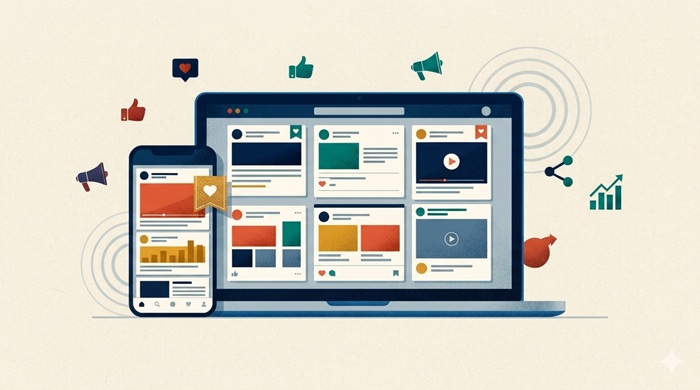
Understanding native advertising can help businesses reach the right audience, build trust, and promote products without disrupting the online experience. Unlike traditional advertisements that often interrupt browsing, this approach blends promotional content with the platform’s regular content, making it feel more natural and relevant.
From sponsored articles and social media promotions to recommended content on news websites, native advertising has become an important part of modern digital marketing. Businesses use it to attract attention, increase brand awareness, and encourage potential customers to engage with their offerings.
Whether you run a small business, manage a growing brand, or work in marketing, understanding how this advertising approach works can help you make better promotional decisions.
Key Takeaways
-
Native advertising matches the appearance and format of the platform where it appears.
-
It helps businesses reach relevant audiences through engaging, non-disruptive promotions.
-
Sponsored content, in-feed advertisements, and recommendation widgets are common formats.
-
Clear disclosure, relevant messaging, and performance tracking are essential for successful campaigns.
What Is Native Advertising?
Native advertising is a form of paid digital promotion designed to match the look, feel, and function of the content surrounding it. Instead of appearing as a separate banner or pop-up, the advertisement fits naturally into a website, social media feed, or digital publication.
For example, a sponsored article on a news website may look similar to its regular editorial articles. A promoted post on Instagram may appear alongside updates from accounts a user already follows.
The important difference is that the advertiser pays for placement or distribution, while the content is designed to suit the platform’s usual experience. The Federal Trade Commission (FTC) describes this approach as paid content that resembles the surrounding online material. FTC’s Native Advertising Guide.
How Does Native Advertising Work?
The process combines paid placement, relevant content, and audience targeting. An advertiser creates or commissions promotional material, selects a suitable publishing environment, and pays to have that material shown to a specific audience.
Here is how the process generally works:
-
Identify the target audience: Businesses define the people they want to reach based on interests, demographics, location, or online behavior.
-
Choose the right format: The advertiser selects a sponsored article, in-feed promotion, recommendation widget, or another suitable format.
-
Create relevant content: The advertisement is developed to match the platform’s style while communicating the brand’s message.
-
Select placements: The campaign is distributed through relevant publishers, social networks, or advertising networks.
-
Measure performance: Marketers review impressions, clicks, engagement, conversions, and other campaign results.
The objective is to make the promotion relevant to the audience without disguising its commercial purpose. A well-planned campaign attracts attention because the content offers something useful, interesting, or entertaining.
Native Advertising vs. Traditional Advertising
Traditional digital advertisements usually have a clearly separate appearance. Display banners, pop-ups, and sidebar promotions are designed to stand out from the main content.
Native advertising takes a different approach by adapting to the environment where the promotion appears.
| Feature | Native advertising | Traditional advertising |
| Appearance | Matches the platform's format | Usually has a separate design |
| Placement | Within content feeds or articles | Banners, sidebars, and pop-ups |
| User experience | Generally less disruptive | Can interrupt browsing |
| Content | Often informative or entertaining | Often directly promotional |
| Engagement | Encourages interaction through relevance | Relies heavily on visibility |
| Main objective | Build interest and encourage action | Generate attention and immediate response |
Neither approach is automatically better. Traditional advertisements can be effective for direct promotions and broad visibility, while the native format can be useful for brands that want to introduce products through relevant content.
Common Types of Native Advertising
Different formats serve different marketing objectives. The right choice depends on the audience, publishing platform, campaign budget, and type of content being promoted.
1. In-Feed Sponsored Content
These advertisements appear within social media feeds or website content streams. They follow the visual structure of regular posts but carry a paid promotion label.
For example, a clothing brand might promote a seasonal collection through a sponsored Facebook or Instagram post. The advertisement includes an image, a short description, and a link to the product page.
2. Sponsored Articles and Blog Posts
Businesses can collaborate with online publications to create articles that provide information related to their industry.
A home improvement company, for instance, might sponsor an article about planning a kitchen renovation. The content can explain budgeting, material selection, and design considerations while introducing relevant products or services.
The article should offer genuine informational value rather than functioning as a sales pitch disguised as independent journalism.
3. Content Recommendation Widgets
These placements commonly appear below articles or alongside editorial content. They display recommended stories, guides, or other promotional material.
A reader browsing a financial publication might see a sponsored guide about retirement planning. Clicking the recommendation takes the reader to the advertiser’s landing page or sponsored article.
4. Video-Based Promotions
Video promotions can appear within video feeds or alongside other entertainment content. They may include product demonstrations, tutorials, interviews, or short educational videos.
A fitness company could publish a workout tutorial featuring its equipment. The video provides practical information while introducing the brand to viewers.
5. Mobile Advertising Formats
Mobile native advertising places promotional content inside mobile applications, news feeds, and other smartphone experiences.
For example, a travel application might display a sponsored hotel recommendation between regular travel suggestions. Since smartphone users interact with different screen layouts, advertisements need to be designed for readability, usability, and relevance.
Practical Native Advertising Examples
Understanding real-world applications makes it easier to see how different industries can use this strategy.
Here are some practical native advertising examples:
-
E-commerce: An online fashion retailer promotes a seasonal styling guide featuring its latest collection.
-
Healthcare services: A healthcare provider sponsors an educational article about preventive care, with appropriate medical review and clear sponsorship disclosure.
-
Travel and hospitality: A hotel brand promotes a destination guide featuring local attractions and accommodation recommendations.
-
Financial services: A financial company sponsors an article explaining basic investment concepts and linking to its services.
-
Food and beverage: A food brand promotes recipes that incorporate its products through sponsored social media posts.
These examples demonstrate how brands can connect promotional messages with content that matches audience interests. The strongest campaigns provide useful information before asking readers to take action.
What Are the Benefits of Native Advertising?
A properly managed campaign can support several business objectives.
Better Audience Engagement
People are more likely to interact with content that relates to their interests. Relevant topics, appealing visuals, and useful information can encourage users to explore a brand rather than immediately ignore its promotion.
Improved Brand Awareness
Sponsored articles, videos, and social media placements introduce businesses to audiences who may not have encountered their products through ordinary search or display campaigns.
Repeated exposure across relevant publishing environments can help improve brand recognition.
A More Natural User Experience
Since the format follows the platform’s content structure, it can feel less disruptive than conventional advertisements. However, it should remain clearly identifiable as paid promotional material.
Greater Content Discovery
Businesses can use paid distribution to bring valuable guides, videos, and educational resources to new audiences. This can support website visits, newsletter subscriptions, and product discovery.
Flexible Campaign Objectives
Campaigns can be developed for different stages of the customer journey, from initial awareness to consideration and conversion.
Popular Native Advertising Platforms
Selecting the right distribution channel is important for campaign performance. Different native advertising platforms offer different audiences, targeting options, and placement formats.
Some commonly used options include:
-
Meta Ads: Supports sponsored placements across Facebook and Instagram feeds, Stories, and other eligible formats.
-
Google Ads: Offers Discovery and other native-style placements through eligible campaign types and inventory.
-
Taboola: Connects advertisers with publisher websites through content recommendation placements.
-
Outbrain: Provides content discovery and recommendation advertising across participating publishers.
-
LinkedIn Ads: Offers sponsored posts and professional content placements for business-focused audiences.
Each platform has its own advertising policies, targeting capabilities, and pricing structure. Businesses should compare audience relevance and campaign objectives instead of selecting a platform based only on its popularity.
How Much Does Native Advertising Cost?
Native advertising cost varies according to the platform, audience, competition, campaign objective, content quality, and targeting requirements.
Most campaigns use pricing models such as:
-
Cost per click (CPC): The advertiser pays when someone clicks the advertisement.
-
Cost per thousand impressions (CPM): The advertiser pays for every thousand ad impressions.
-
Cost per acquisition (CPA): The advertiser pays based on a specified conversion or acquisition.
-
Fixed sponsorship fees: A publisher charges a negotiated amount for sponsored content or a specific placement.
For example, a sponsored article on a well-known publication may require a fixed placement fee, while a social media campaign may use an auction-based pricing model.
There is no universal price that works for every business. Start with a manageable budget, test different creative approaches, and evaluate the cost of meaningful actions rather than focusing only on impressions.
Businesses exploring broader promotional expenses can also review how much should small businesses spend on digital marketing to understand how to allocate their marketing resources.
How to Create a Successful Native Advertising Campaign
An effective campaign requires more than attractive visuals or a compelling headline. It needs a clear strategy that connects the brand’s message with the audience’s interests.
1. Define a Clear Campaign Objective
Start by identifying the desired outcome. Brand awareness, website traffic, lead generation, and product sales require different content formats and performance indicators.
2. Understand Your Audience
Research the audience’s needs, preferences, interests, and common challenges. This information helps businesses develop content that addresses genuine questions rather than relying on generic promotional messages.
3. Create Valuable Content
Focus on providing information that readers can use. Educational articles, useful comparisons, practical guides, and product demonstrations can encourage meaningful engagement.
4. Choose Relevant Publishing Channels
Select platforms based on audience behavior and campaign objectives. A professional services company may benefit from business-focused publications, while a consumer brand may achieve better reach through social media feeds.
5. Make Advertising Disclosures Clear
Transparency is essential. Labels such as “Advertisement,” “Sponsored,” or “Paid Partnership” should be easy to notice and understand.
The FTC recommends placing disclosures close to the promotional content and ensuring they are clear and prominent across devices.
6. Track and Optimize Performance
Monitor relevant metrics such as:
-
Impressions and reach
-
Click-through rate (CTR)
-
Cost per click
-
Engagement rate
-
Conversion rate
-
Cost per lead or acquisition
Use this information to identify successful placements, improve content, and adjust targeting. A campaign should be judged by its contribution to business goals, not just the number of views it receives.
How Can a Native Advertising Agency Help?
Planning and managing paid content campaigns requires experience in audience research, content development, media buying, targeting, and performance analysis.
Working with a native advertising agency can help businesses coordinate these activities and create campaigns that align with their broader marketing strategy.
An experienced agency can assist with:
-
Researching relevant audiences and publishers.
-
Developing sponsored articles, videos, and promotional creatives.
-
Selecting suitable advertising channels.
-
Managing campaign budgets and placements.
-
Monitoring results and improving performance.
However, choosing a partner requires careful evaluation. Businesses should understand how to identify agencies that actually drive performance before committing to a long-term marketing arrangement.
JNA is a digital marketing agency in the USA that helps businesses strengthen their online presence through strategic marketing solutions. Our digital marketing services can help businesses explore coordinated approaches to reaching audiences, building brand visibility, and supporting their marketing objectives.
Is Native Advertising Right for Your Business?
This approach can be useful for businesses that want to introduce their products, educate potential customers, and reach relevant audiences through content-led promotions.
However, it is not a replacement for every other marketing channel. A successful strategy often combines paid content distribution with search engine optimization, social media marketing, email campaigns, and other promotional activities.
Businesses should also consider how their campaigns fit into the wider customer journey. For example, sponsored content may introduce a brand, while email marketing can help maintain communication with interested prospects. Explore is email marketing still effective for businesses to understand how email can complement other digital channels.
Ultimately, the best approach depends on your audience, available resources, and measurable business objectives.
Conclusion
Native advertising offers businesses a practical way to connect with audiences through relevant, engaging, and platform-friendly promotional content. From sponsored articles and social media posts to recommendation widgets and video promotions, it provides different opportunities to communicate brand messages.
The key to success is choosing the right platform, understanding audience interests, creating valuable content, and maintaining transparency about paid promotions.
With proper planning and continuous performance monitoring, businesses can use this approach to strengthen brand awareness, attract potential customers, and support long-term digital marketing goals.
Frequently Asked Questions
1. What is native advertising in digital marketing?
It is paid promotional content designed to match the appearance and format of the platform where it appears.
2. Is native advertising better than display advertising?
It can generate more relevant engagement, while display advertising may be better suited to direct visibility and promotional campaigns.
3. Which platforms support native advertising?
Popular options include Meta Ads, Google Ads, Taboola, Outbrain, and LinkedIn Ads.
4. How much does native advertising cost?
Pricing depends on the platform, audience, placement, bidding model, and campaign objectives.
5. Does native advertising help build brand awareness?
Yes, relevant sponsored content can introduce brands to new audiences and improve brand recognition over time.