

SaaS Development Services That Actually Scale
April 17, 2026
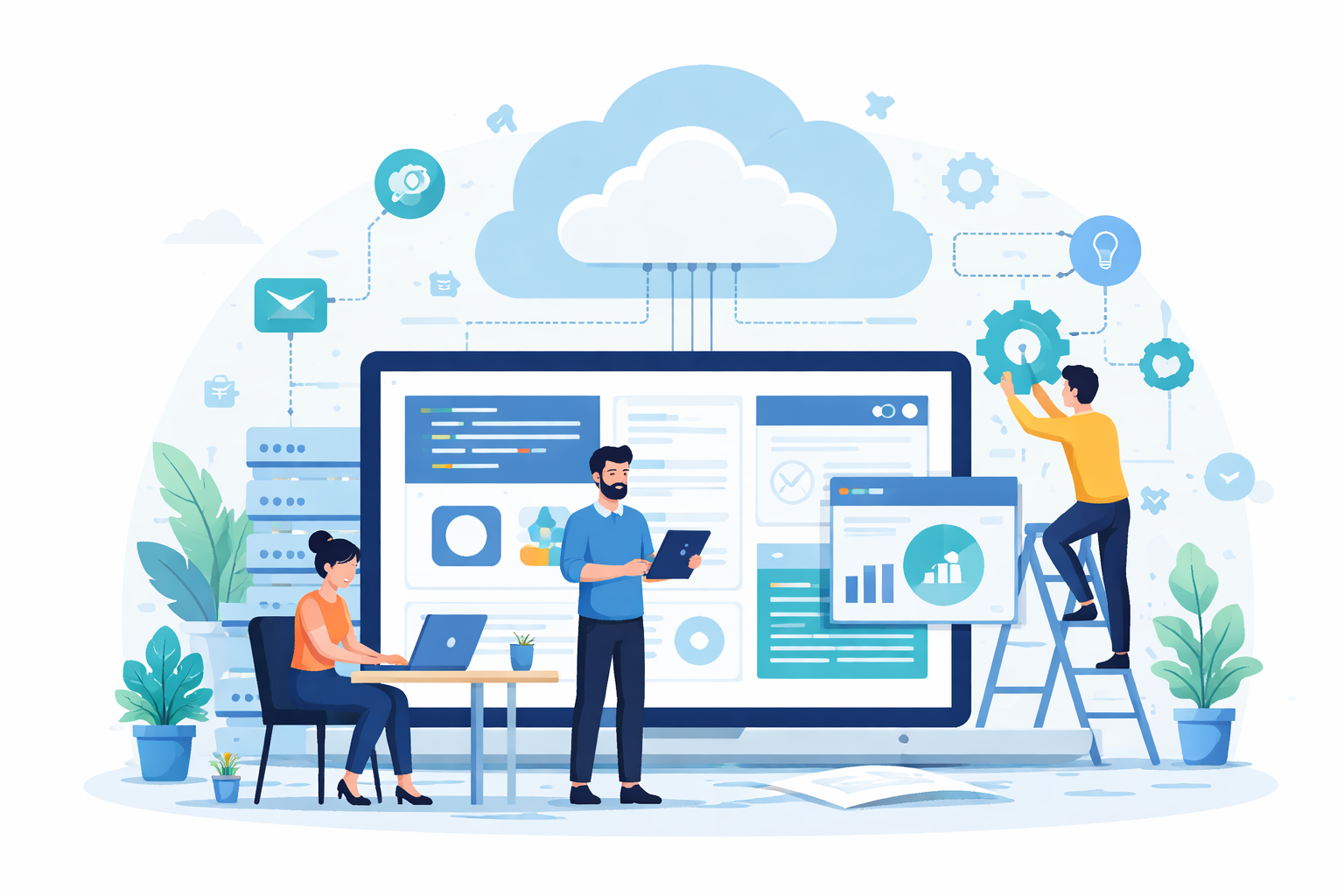
Software as a Service has reshaped how businesses build, deliver, and monetize digital products. But launching a SaaS platform that truly scales isn’t just about writing code—it’s about architecture, performance, user experience, and long-term growth strategy. That’s where saas development services come in.
Whether you’re a startup validating an idea or an enterprise modernizing legacy systems, the right approach to SaaS development can determine how quickly you grow and how well you compete. In this guide, we’ll break down what makes SaaS development successful, what to look for in a provider, and how to align your product with real market demand.
What Are SaaS Development Services?
At their core, SaaS development services focus on building cloud-based applications that users can access via the internet—without needing local installation. These services typically cover everything from ideation and architecture to deployment and maintenance.
Key Components of SaaS Development
1. Product Strategy and Planning
Before a single line of code is written, defining your product vision, target users, and feature roadmap is critical. This ensures you build something people actually need.
2. Cloud Infrastructure Setup
SaaS platforms rely on scalable cloud environments like AWS, Azure, or Google Cloud to ensure uptime, flexibility, and performance.
3. Multi-Tenant Architecture
A well-built SaaS platform allows multiple users (tenants) to share resources securely while maintaining data isolation.
4. API Development and Integrations
Modern SaaS products must integrate with other tools—CRMs, payment gateways, analytics platforms—to stay competitive.
5. Continuous Updates and Maintenance
Unlike traditional software, SaaS products evolve constantly. Regular updates, feature improvements, and bug fixes are part of the lifecycle.
Why SaaS Is the Future of Software
Businesses are shifting toward SaaS because it’s cost-effective, scalable, and user-friendly. But more importantly, it aligns with how customers want to consume technology—on-demand and subscription-based.
Benefits That Drive SaaS Adoption
Lower Upfront Costs
No expensive installations or hardware investments. Users pay as they go.
Scalability on Demand
As your user base grows, your infrastructure scales with it—no disruptions.
Accessibility Anywhere
Users can access your platform from any device with an internet connection.
Faster Deployment
SaaS products can be launched and updated much faster than traditional software.
Choosing the Right SaaS Development Partner
Not all development teams are equipped to build scalable SaaS platforms. Choosing the right partner can save you time, money, and countless headaches.
What to Look For
Proven Experience
Look for a team that has built SaaS products before—not just generic applications.
Strong Technical Stack
They should be proficient in modern frameworks, cloud platforms, and DevOps practices.
UX-Focused Approach
A great SaaS product isn’t just functional—it’s intuitive and easy to use.
Transparent Communication
You need a partner who keeps you informed and involved throughout the process.
If you’re evaluating providers, working with a reliable saas development services company ensures you get both technical expertise and strategic guidance.
The Role of SEO in SaaS Growth
Building a SaaS product is only half the battle. Getting users to find and adopt it is where growth happens—and that’s where SEO plays a crucial role.
A strong saas seo strategy helps your platform rank for relevant search queries, attract organic traffic, and convert visitors into users.
Why SEO Matters for SaaS
Long-Term Traffic
Unlike paid ads, SEO continues to deliver value over time.
High-Intent Users
People searching for solutions are more likely to convert.
Brand Authority
Ranking high in search results builds trust and credibility.
To understand why this is still critical today, it’s worth exploring how seo foundations still matter in driving sustainable business growth.
Custom Development vs. Off-the-Shelf Solutions
One of the biggest decisions you’ll face is whether to build a custom SaaS product or use existing platforms.
Off-the-Shelf Tools
Pros:
- Faster setup
- Lower initial cost
Cons:
- Limited customization
- Scalability issues
- Dependency on third-party features
Custom SaaS Development
Pros:
- Full control over features
- Scalable architecture
- Competitive differentiation
Cons:
- Higher upfront investment
- Longer development time
If your goal is long-term growth and flexibility, investing in custom web development often pays off significantly.
Key Features Every SaaS Product Needs
A successful SaaS platform isn’t just functional—it’s designed for growth, retention, and performance.
Must-Have Features
User Authentication and Security
Robust login systems, encryption, and data protection are essential.
Subscription and Billing Management
Flexible pricing models, recurring billing, and payment integrations are key.
Analytics and Reporting
Users expect insights. Your platform should deliver meaningful data.
Performance Optimization
Fast load times and minimal downtime are non-negotiable.
Mobile Responsiveness
Your SaaS product must work seamlessly across devices.
Development Process: From Idea to Launch
Understanding the SaaS development lifecycle helps you set realistic expectations and timelines.
Step-by-Step Breakdown
1. Discovery Phase
Define your goals, audience, and feature set.
2. UI/UX Design
Create wireframes and prototypes to visualize the user journey.
3. Development
Frontend and backend development happen simultaneously, often using agile methodologies.
4. Testing
Rigorous testing ensures your product is stable, secure, and bug-free.
5. Deployment
Your application is launched on the cloud environment.
6. Post-Launch Support
Continuous monitoring, updates, and improvements keep your product competitive.
Scaling Your SaaS Product Successfully
Scaling isn’t just about handling more users—it’s about maintaining performance, security, and user satisfaction as you grow.
Strategies for Growth
Optimize Infrastructure
Use auto-scaling and load balancing to manage traffic spikes.
Focus on Customer Retention
Retention is more valuable than acquisition in SaaS.
Iterate Based on Feedback
User feedback should guide your product roadmap.
Invest in Marketing
Combining SEO, content marketing, and paid campaigns drives consistent growth.
If you’re serious about scaling, leveraging professional digital marketing services can help you reach the right audience faster and more effectively.
You can also explore our more services to support every stage of your business growth journey.
Common Challenges in SaaS Development
Even with the right strategy, SaaS development comes with its own set of challenges.
What to Watch Out For
Poor Scalability Planning
Failing to plan for growth can lead to performance issues later.
Weak Security Measures
Data breaches can damage trust and reputation.
Feature Overload
Trying to do too much at once can dilute your product’s value.
Lack of Market Validation
Building without validating demand can result in wasted resources.
Trends Shaping the SaaS Industry
The SaaS landscape is constantly evolving. Staying ahead of trends can give you a competitive edge.
Emerging Trends
AI and Automation
AI-driven features are becoming standard in SaaS platforms.
Vertical SaaS
Niche-specific solutions are gaining popularity.
Microservices Architecture
Breaking applications into smaller services improves scalability and flexibility.
API-First Development
APIs are now central to SaaS ecosystems.
Finding the Right Fit for Your Business
With so many options available, selecting the right partner can feel overwhelming. If you’re searching for the top saas development services company in USA, focus on expertise, communication, and proven results rather than just cost.
Similarly, integrating effective saas seo services ensures your product doesn’t just exist—it gets discovered, adopted, and scaled.
Last Hack
SaaS development is more than just building software—it’s about creating a product that evolves with your users and adapts to market demands. From choosing the right architecture to implementing a strong growth strategy, every decision impacts your long-term success.
The businesses that succeed in SaaS are the ones that combine solid development practices with smart marketing and continuous improvement. If you approach it strategically, the potential for growth is enormous.