

Solar Financing Options Explained: Choose the Best Way to Go Solar
June 23, 2026
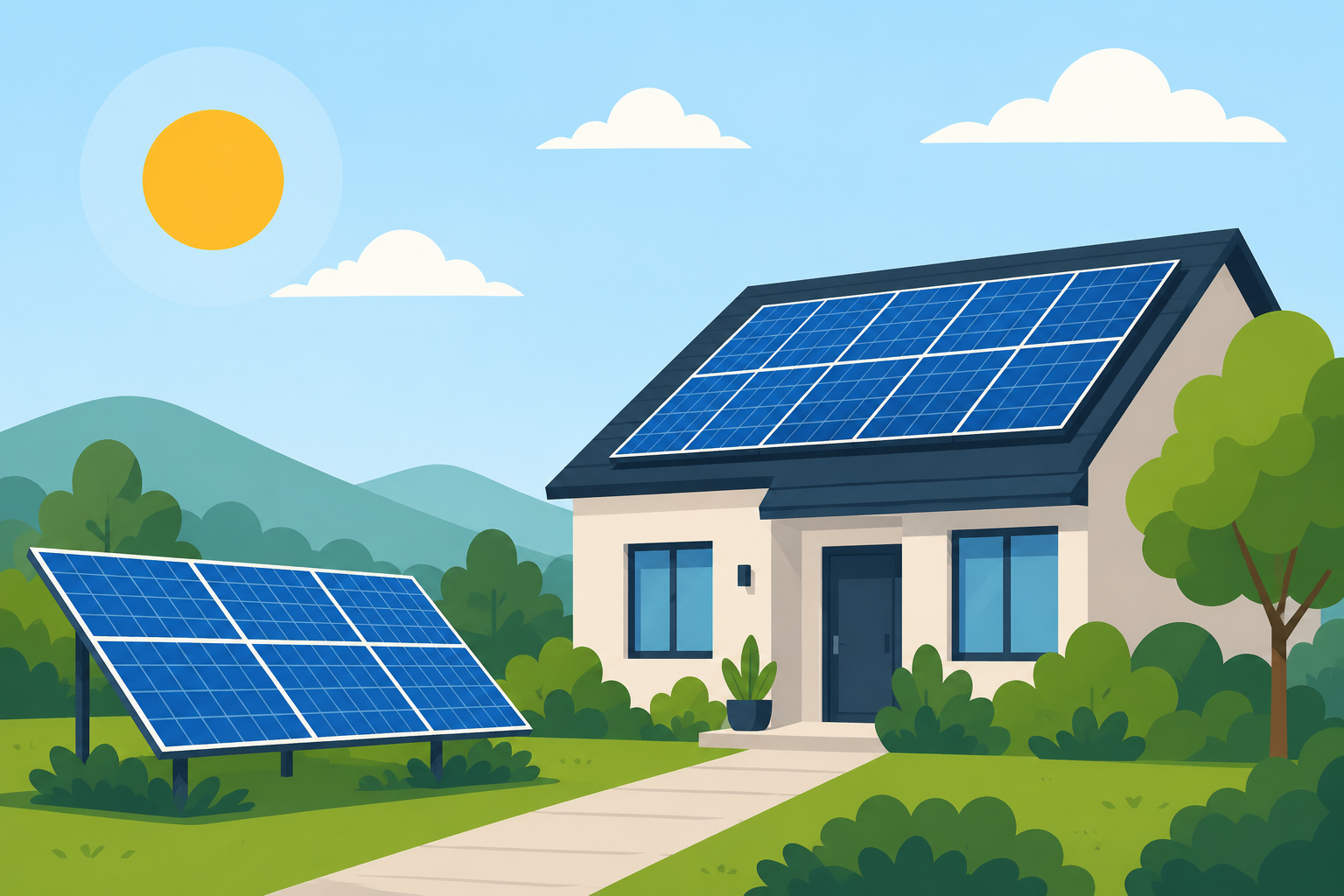
Installing solar panels is one of the smartest long-term investments you can make for your home or business. Beyond reducing electricity bills, solar energy helps protect you from rising utility costs while lowering your environmental impact.
The biggest question for most homeowners isn’t whether solar is worth it—it’s how to pay for it.
Fortunately, today’s solar market offers several financing options designed to fit different budgets and financial goals. Whether you have the funds to pay upfront or prefer manageable monthly payments, there’s a solution that can help you start enjoying clean energy sooner.
Understanding the pros and cons of each option will help you make an informed decision that maximizes your savings over the life of your solar system.
In this guide, we’ll explain the four most common solar financing options, how each one works, and which choice may be best for your situation.
Why Solar Financing Matters
Although solar technology has become significantly more affordable over the past decade, installing a complete solar energy system still requires a substantial upfront investment.
Solar financing makes renewable energy accessible to homeowners who may not want—or be able—to pay the full installation cost immediately. Instead of delaying your project for years while saving money, financing allows you to start generating electricity today while spreading payments over time.
Before choosing a financing method, consider:
- Your available budget
- Your long-term financial goals
- How long you plan to stay in your home
- Whether you want to own the system outright
- Available tax incentives and rebates
If you’re still deciding whether renewable energy is the right move, understanding the many benefits of switching your home to solar energy can help put the investment into perspective.
Cash Purchase: The Highest Long-Term Savings
Paying for your solar system in cash is generally considered the most cost-effective financing option.
While it requires the largest initial investment, it eliminates monthly payments, financing fees, and loan interest. From day one, every dollar you save on electricity goes directly back into your pocket.
Benefits of Paying Cash
- Complete ownership of the solar system
- No interest charges
- No lender fees
- Maximum lifetime savings
- Faster return on investment
- Increased home value in many markets
Because there are no financing costs, homeowners typically recover their investment faster through reduced utility bills.
Is a Cash Purchase Right for You?
A cash purchase is ideal if you:
- Have sufficient savings
- Want the highest financial return
- Plan to stay in your home long term
- Prefer owning your equipment outright
Although the upfront expense can seem significant, many homeowners find that the long-term savings greatly outweigh the initial cost.
Solar Loans: Flexible Financing Without Large Upfront Costs
Solar loans are among the most popular financing options available today.
Instead of paying for the entire installation upfront, you borrow money from a lender and repay it through monthly installments over a set period.
Many banks, credit unions, and specialized solar financing companies now offer competitive loan programs designed specifically for renewable energy projects.
Advantages of Solar Loans
Solar loans provide several important benefits:
- Little or no down payment
- Immediate access to solar energy
- System ownership after repayment
- Eligibility for available tax incentives in many regions
- Predictable monthly payments
Because you own the system, you may still qualify for government incentives where applicable.
For homeowners interested in available incentives, it’s worth learning how the Federal Solar Tax Credit can reduce installation costs before making a financing decision.
Things to Watch For
Not all solar loans are created equal.
Before signing a financing agreement, review:
- Interest rates
- Dealer fees
- Loan terms
- Early repayment penalties
- Monthly payment amounts
Even small differences in interest rates can affect the total amount you pay over the life of the loan.
Shopping around and comparing multiple lenders can potentially save thousands of dollars.
Solar Leasing: Lower Upfront Costs With Predictable Payments
A solar lease allows homeowners to use a solar energy system without purchasing it.
Instead, a solar provider installs, owns, and maintains the equipment while the homeowner pays a fixed monthly lease payment.
This option significantly reduces the upfront financial commitment while still providing access to clean energy.
How Solar Leasing Works
With a lease:
- The solar company owns the equipment.
- The company installs the panels.
- Maintenance is typically included.
- You pay a monthly lease fee.
- Contract terms commonly range from 15 to 25 years.
Because the provider retains ownership, lease payments generally continue for the duration of the contract.
Pros of Solar Leasing
Solar leasing offers several advantages:
- Minimal upfront cost
- Professional maintenance included
- Predictable monthly expenses
- Lower utility bills
- Easy entry into solar energy
For homeowners who prefer convenience over ownership, leasing can be an attractive solution.
Potential Drawbacks
While leasing reduces initial expenses, there are trade-offs.
These may include:
- No ownership of the equipment
- Limited access to certain tax incentives
- Escalator clauses that increase payments over time
- Lower overall lifetime savings compared to ownership
Always review lease agreements carefully before committing.
Solar Power Purchase Agreements (PPAs)
A Solar Power Purchase Agreement (PPA) works similarly to a lease but uses a different payment structure.
Instead of paying a fixed monthly amount, you pay only for the electricity your solar panels generate.
The solar provider owns, installs, and maintains the system throughout the contract.
How a Solar PPA Works
With a PPA:
- A third-party company installs the solar system.
- The company owns the equipment.
- You purchase the electricity produced.
- Rates are typically lower than your local utility.
- Agreements often last 20 years or longer.
Because payments depend on electricity production, your monthly costs may fluctuate depending on seasonal energy generation.
Benefits of a Solar PPA
Many homeowners appreciate PPAs because they provide:
- No large upfront investment
- Professional maintenance
- Lower electricity costs
- Reduced dependence on utility companies
- Predictable long-term energy pricing
Possible Disadvantages
Like leasing, PPAs usually do not provide ownership benefits.
Additional considerations include:
- Long-term contracts
- Limited home resale flexibility
- Potential annual price escalators
- Ineligibility for certain tax incentives
Carefully compare your projected utility savings against the contract terms before choosing this option.
Comparing the Four Solar Financing Options
Choosing the right financing method depends on your financial situation, future plans, and investment goals.
Financing OptionUpfront CostMonthly PaymentSystem OwnershipLong-Term Savings
Cash Purchase
- Upfront Cost: High
- Monthly Payment: None
- System Ownership: Yes
- Long-Term Savings: Highest
Solar Loan
- Upfront Cost: Low to Moderate
- Monthly Payment: Yes
- System Ownership: Yes
- Long-Term Savings: High
Solar Lease
- Upfront Cost: Low
- Monthly Payment: Yes
- System Ownership: No
- Long-Term Savings: Moderate
Each option has its place. The best choice depends on whether your priority is maximizing savings, minimizing upfront costs, or keeping monthly payments manageable.
Factors to Consider Before Choosing Solar Financing
Before signing any financing agreement, ask yourself a few important questions.
How Long Will You Stay in Your Home?
If you expect to remain in your home for many years, purchasing your system often delivers greater financial benefits.
Shorter-term homeowners may find leasing or PPAs more attractive.
What Is Your Budget?
If you have available savings, paying cash usually delivers the best return.
If preserving cash flow is more important, loans or leases may be better suited to your financial situation.
Do You Want to Own the System?
Ownership provides greater long-term savings and often increases property value.
Leasing and PPAs provide convenience but generally don’t offer the same financial return.
What Incentives Are Available?
Government incentives, tax credits, and local rebates can significantly reduce installation costs.
Be sure to verify which incentives apply based on your financing option.
Questions to Ask Before Signing a Solar Financing Agreement
No matter which financing option you choose, ask your provider the following questions:
- What is the total cost over the life of the agreement?
- Are there dealer or origination fees?
- Is the interest rate fixed or variable?
- Does the contract include annual payment increases?
- Who is responsible for maintenance and repairs?
- Can the agreement be transferred if I sell my home?
- Are there penalties for early payoff or cancellation?
Understanding every detail beforehand helps prevent unexpected costs later.
Making the Right Solar Financing Decision
There isn’t a one-size-fits-all financing solution.
Homeowners with available funds often achieve the highest return through a cash purchase. Those seeking flexibility may prefer solar loans, while leasing and PPAs provide accessible alternatives with lower upfront costs.
Take time to compare offers from multiple installers, carefully review contract terms, and calculate your long-term savings before making a decision.
If you’re evaluating installers, financing options, or equipment, working with experienced solar installation professionals who provide customized energy solutions can help ensure you choose the financing plan that best matches your needs.
Frequently Asked Questions
Is solar financing worth it?
Yes. Solar financing allows homeowners to install solar panels without paying the full cost upfront. Depending on the financing method, monthly energy savings may offset a significant portion of the loan or lease payments.
What credit score is needed for a solar loan?
Requirements vary by lender, but higher credit scores generally qualify for lower interest rates and better financing terms.
Is buying or leasing solar better?
Buying typically provides greater long-term savings because you own the system. Leasing requires less upfront investment but usually results in lower lifetime financial benefits.
Can I pay off a solar loan early?
Many lenders allow early repayment, although some loans include prepayment penalties. Always review your loan agreement before signing.
Do solar panels increase home value?
In many housing markets, owned solar systems can increase property value because they reduce future electricity costs for buyers.
Which solar financing option saves the most money?
Cash purchases generally deliver the greatest lifetime savings because there are no financing charges or ongoing lease payments.
Final Thoughts
Solar energy is more accessible than ever thanks to the wide range of financing options available today. Whether you choose to pay cash, finance your installation with a loan, lease your system, or enter into a Power Purchase Agreement, each option offers a pathway toward cleaner energy and lower electricity costs.
The key is selecting a financing solution that aligns with your budget, long-term plans, and financial goals. By understanding the advantages and trade-offs of each option, you’ll be better equipped to make an investment that delivers lasting value for years to come.