

Understanding the Different Types of Solar Energy
June 18, 2026
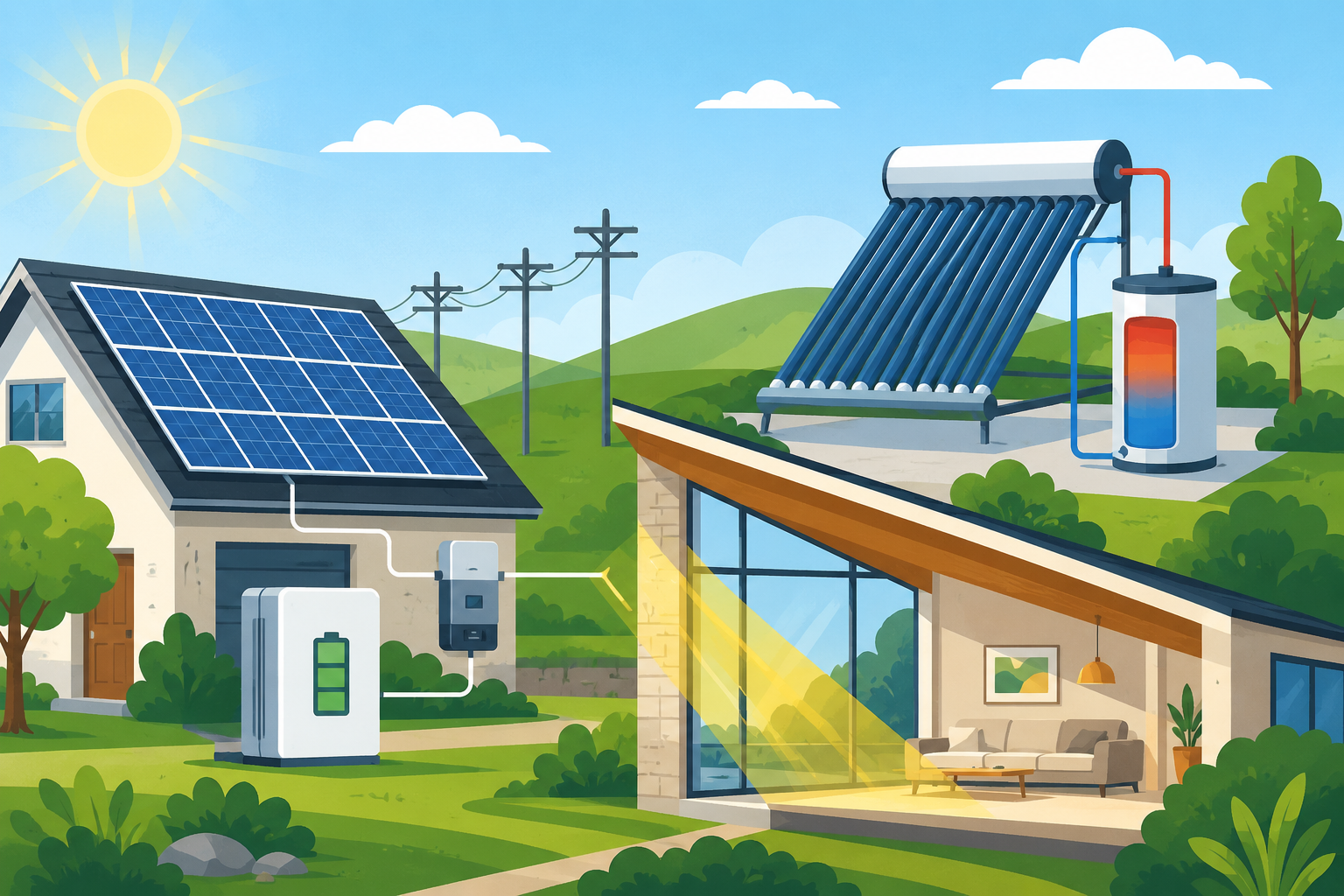
Solar energy has become one of the most reliable and sustainable sources of renewable power available today. As more homeowners and businesses look for ways to reduce energy costs and lessen their environmental impact, interest in solar technology continues to grow.
What many people don’t realize is that solar energy isn’t limited to rooftop panels. There are several types of solar energy systems, each designed for different applications. From generating electricity to heating water and maximizing natural sunlight inside a home, these technologies offer practical solutions for a variety of energy needs.
Understanding the different types of solar energy can help you determine which option makes the most sense for your property and long-term goals.
What Type of Energy Is Solar Energy?
Solar energy is a renewable energy source that harnesses the sun’s light and heat. There are three primary categories of solar energy:
- Photovoltaic (PV) energy
- Solar thermal energy
- Passive solar energy
Each type works differently and offers unique advantages. While photovoltaic systems generate electricity, solar thermal systems capture heat, and passive solar design uses natural sunlight to reduce heating and lighting demands.
Let’s take a closer look at how each one works.
Photovoltaic (PV) Solar Energy
Photovoltaic energy, commonly called solar PV, is the most widely used type of solar energy. This technology converts sunlight directly into electricity through solar cells made primarily from silicon.
When sunlight strikes the cells, photons release electrons, creating an electrical current. This electricity is generated as direct current (DC), which is then converted into alternating current (AC) by an inverter so it can power appliances and electronics throughout your home.
Many homeowners choose to pair solar panels with battery storage systems. Batteries store excess electricity generated during the day, allowing homeowners to use that energy at night or during periods of low sunlight.
If you don’t have battery storage, surplus energy can often be sent back to the utility grid.
Benefits of Solar PV Systems
Photovoltaic systems have become popular because they offer several advantages:
- Minimal maintenance requirements
- Long operational lifespan of around 25 years or more
- Reduced electricity bills
- Lower carbon emissions
- Scalability for homes and businesses
Although regular upkeep is relatively simple, following proper solar panel maintenance and cleaning practices can help maximize performance and extend the lifespan of your system.
As solar technology continues to become more affordable, PV systems remain one of the most accessible renewable energy solutions available today.
Solar Thermal Energy
Unlike photovoltaic systems, solar thermal technology uses the sun’s heat instead of its light. This captured heat can be used to warm water, heat buildings, or generate electricity on a much larger scale.
Residential solar thermal systems commonly provide hot water for homes. Special collectors absorb solar heat and transfer it to water stored inside a tank. Since sunlight varies throughout the year, conventional water heaters or boilers often provide supplemental heating when necessary.
Industrial Applications of Solar Thermal Energy
Solar thermal technology is also used in large-scale power generation facilities.
These systems use mirrors to focus sunlight onto a receiver containing a fluid, typically oil or molten salt. The concentrated heat creates steam, which powers turbines that generate electricity.
This process resembles traditional power plants but relies on renewable solar heat rather than fossil fuels.
Because these facilities require vast amounts of land and consistent sunshine, they are often located in desert regions where cloud cover is minimal.
Advantages of Solar Thermal Systems
Solar thermal systems offer several important benefits:
- High energy conversion efficiency
- Ability to store heat for later use
- Reduced dependence on conventional fuels
- Lower greenhouse gas emissions
In some applications, solar thermal plants can achieve energy conversion efficiencies far greater than traditional photovoltaic panels.
Passive Solar Energy
Passive solar energy is perhaps the simplest and most cost-effective form of solar energy because it doesn’t require mechanical equipment or electrical systems.
Instead, passive solar design takes advantage of the sun’s natural light and warmth to improve indoor comfort and reduce heating requirements.
Simple strategies include:
- Installing large south-facing windows
- Opening curtains during daylight hours
- Using materials that absorb and retain heat
- Designing homes to maximize sunlight exposure
These features allow floors, walls, and furnishings to absorb solar heat throughout the day and slowly release it later.
A well-designed passive solar home can reduce heating demands significantly, lowering overall energy consumption without requiring additional equipment.
Homeowners planning a new installation often evaluate sunlight exposure first. Understanding the best places to install solar panels for maximum efficiency can also help optimize passive and active solar performance.
Types of Solar Energy Storage
Producing solar energy is only one part of the equation. Storing that energy allows homeowners to maximize efficiency and maintain power availability when sunlight is limited.
Solar energy storage generally falls into two categories.
Electrical Energy Storage
Battery storage systems capture excess electricity generated by solar panels.
During sunny periods, your system may produce more electricity than your home consumes. Batteries store this surplus energy, allowing you to use it during nighttime hours or cloudy days.
Modern lithium-ion batteries provide improved efficiency and longer service life, making them an increasingly popular addition to residential solar installations.
Thermal Energy Storage
Thermal storage systems preserve heat rather than electricity.
Solar thermal plants often use materials such as molten salt to retain heat for several hours. This stored heat can continue generating electricity even after sunset, improving overall reliability and efficiency.
Both forms of storage help maximize the value of solar energy and reduce dependence on traditional energy sources.
Choosing the Right Solar Solution
Selecting the ideal solar energy system depends on your property’s needs, energy consumption, and budget.
Photovoltaic systems are generally best for homeowners seeking to lower electricity costs. Solar thermal systems work well for heating applications, while passive solar design improves efficiency without adding complex equipment.
Before investing in solar technology, it’s important to work with qualified professionals who understand local regulations, energy requirements, and installation options.
If you’re comparing contractors, learning how homeowners identify reputable solar companies in their area can make the selection process easier and help ensure a successful installation.
Why Solar Energy Continues to Grow
Demand for renewable energy continues to rise across the United States. Solar power offers a cleaner alternative to conventional electricity while providing long-term savings and energy independence.
Advancements in technology, lower equipment costs, and improved battery storage have made solar energy more practical than ever before.
Whether you’re considering rooftop panels, water heating systems, or energy-efficient home design, understanding the different types of solar energy can help you make informed decisions for the future.
Frequently Asked Questions
What are the three main types of solar energy?
The three major types are photovoltaic (PV) solar energy, solar thermal energy, and passive solar energy. Each serves different purposes, including electricity generation, heating, and energy-efficient building design.
Which type of solar energy is most common?
Photovoltaic solar energy is the most widely used. Solar panels installed on homes and businesses convert sunlight into electricity and can significantly reduce utility costs.
Is solar thermal more efficient than photovoltaic solar?
In certain applications, solar thermal systems can achieve higher energy conversion efficiencies. However, photovoltaic systems are generally more practical for residential electricity generation.
Can solar panels work without batteries?
Yes. Solar panels can operate without batteries and send excess electricity back to the utility grid. Batteries simply provide backup power and energy storage for later use.
Is passive solar energy free?
Passive solar energy uses natural sunlight and heat without requiring mechanical equipment, making it one of the most cost-effective methods for improving energy efficiency.
Compare Solar Quotes Today
Understanding the different types of solar energy is the first step toward making smarter energy decisions. Whether you’re interested in generating electricity, heating water, or improving your home’s efficiency, solar technology offers flexible solutions for nearly every need.
Ready to explore your options? Request a quote today and discover how solar energy can help lower your utility bills while creating a more sustainable future.