

How Much Does Geofencing Digital Advertising Cost?
September 1, 2026
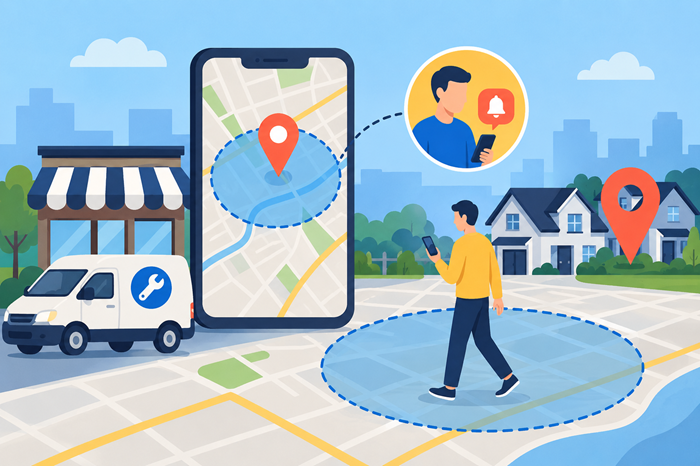
For local providers, reaching people in the right neighborhood can matter more than reaching thousands of random users. That is where location-based campaigns can make a difference. Geofencing digital advertising uses virtual boundaries around specific places so businesses can deliver relevant ads to people who enter those areas. But what should a local company actually budget, and what determines the final price?
This guide covers campaign costs, pricing models, budget ranges, targeting factors, and ways to measure qualified leads. The goal is to make each marketing dollar work harder in your local market over time.
Key Takeaways
-
Geofencing campaign costs vary by audience size, location, campaign length, and ad platform.
-
A focused local campaign can often be more efficient than broad awareness advertising.
-
Creative quality, targeting accuracy, and conversion tracking strongly affect campaign results.
-
Small businesses should judge campaigns by qualified leads and revenue, not impressions alone.
What Is Geofencing?
Geofencing creates a virtual boundary around a physical location, neighborhood, event venue, competitor area, or group of addresses. When a mobile device enters that boundary, the person may become eligible for targeted ads, depending on the technology, platform, permissions, and available data.
For a plumber, HVAC company, roofer, landscaper, or other local provider, this can make local promotion more location-specific. Instead of advertising across an entire city, a campaign can concentrate on areas where potential customers are more likely to need the service.
The strategy becomes especially useful when the service area is limited. For local providers, digital advertising can keep campaigns centered on reachable customers. A local provider does not necessarily need visibility everywhere; it needs visibility among people who can realistically become customers.
How Much Does Geofencing Cost?
There is no single fixed price for a geofencing campaign. Many campaigns are priced through impressions, media spend, platform fees, management fees, or a combination of these.
A small local test may start with a few hundred dollars in media spend, while campaigns covering several neighborhoods or cities can require thousands per month.
Campaign cost depends on five practical factors:
1. Geographic Area
A small geofence around a few high-value locations generally costs less than covering a broad market. More locations can increase audience volume, but they can also make the campaign less focused.
2. Audience Size
A larger audience may require more budget, while a smaller audience can be more economical when locations have strong customer intent.
3. Campaign Duration
A two-week campaign costs less than a multi-month program, which needs enough budget to maintain useful reach and frequency.
4. Ad Format
Display, video, connected-TV, and other formats can have different media costs. The right choice depends on the audience and desired action. Digital advertising works best when the format supports that next step.
5. Campaign Management
Businesses may also pay for strategy, creative, setup, optimization, reporting, and conversion tracking.
What Affects the Cost of a Local Campaign?
Pricing is only one part of the decision. The more important question is whether the campaign reaches valuable prospects. A residential cleaning company may target ideal neighborhoods, while a commercial contractor may focus on business districts or industrial areas.
Define who you want to reach, what they need, and what action you want them to take.
Businesses comparing service options can also review digital marketing services to understand how location-based advertising can fit into a broader acquisition strategy.
Geofencing vs. Broad Local Advertising
Traditional local advertising can build visibility, but geographic precision may be harder to achieve. Geofencing adds another layer of location targeting.
It does not need to replace search, social, email, reviews, local SEO, or referrals.
If you are deciding between channels, understanding digital marketing vs social media can help clarify why social media is only one part of a complete online strategy.
The best approach matches the customer’s buying journey. Digital advertising should be planned around intent, not just reach.
How to Build a Practical Geofencing Budget
Start with customer value. Suppose a local provider earns $1,000 in gross profit from an average new customer. It can work backward to set an acceptable acquisition cost.
Then establish a test budget large enough to produce useful data. An extremely small campaign may generate too little activity to show whether the targeting works.
Track impressions, clicks, landing-page actions, calls, form submissions, appointments, and closed jobs.
Businesses unsure about budget allocation can review what percentage of revenue should small businesses spend on digital marketing before setting a monthly marketing target.
How to Improve Your Return on Spend
Cost control does not always mean reducing the media budget. Better digital advertising often comes from reducing waste instead of reducing reach.
Use a clear offer:
Effective digital advertising gives the audience a simple reason to respond.
Keep landing pages focused:
If someone clicks an ad for emergency plumbing, sending them to a generic homepage can create unnecessary friction. A dedicated page makes the next step obvious.
Test creative variations:
Different headlines, images, offers, and calls to action can produce different response rates. Small improvements can have a meaningful effect when a campaign runs continuously.
Strong campaign performance also depends on accurate tracking. Without reliable attribution, a business may cut a campaign that is producing customers or continue paying for traffic that never turns into revenue.
Choosing the Right Partner
Managing location-based campaigns requires more than selecting an audience and uploading an ad. Someone needs to define the targeting strategy, monitor delivery, review performance, and adjust the campaign as results come in.
When evaluating a provider, ask how reporting works, which metrics are included, how audiences are selected, and how conversions are tracked. A good partner should explain performance in business terms, not just impressions.
If you are researching how to finding the right digital marketing consultant, focus on experience with local lead generation, transparent reporting, and measurable conversion goals.
A digital advertising agency may also manage creative testing, landing pages, analytics, and optimization, making the program easier to operate.
How JNA Helps Small Businesses Grow With Geofencing
JNA helps small businesses turn location-based targeting into measurable growth through strategic geofencing campaigns.
We identify high-value locations, define relevant audiences, and create compelling ads designed to reach potential customers in the right places. Whether you serve homeowners, local shoppers, or nearby businesses, our approach helps reduce wasted ad spend while increasing brand visibility and qualified leads.
JNA also monitors campaign performance, analyzes engagement, and adjusts targeting based on real results. By combining geofencing with a broader digital marketing strategy, we help small businesses connect with local customers, strengthen their market presence, generate more opportunities, and move closer to their business goals.
When Geofencing Makes Sense for Local Services
Location targeting is useful when a business has a defined service radius or wants to influence demand around specific locations. It can also support seasonal campaigns, local events, competitor locations, or high-value neighborhoods.
Choose each geofence for a clear business reason, then review performance and shift spending toward audiences, locations, and creative that produce better results.
You can also explore how google ads ppc helps small businesses grow fast when deciding whether location-based campaigns should complement high-intent search traffic.
Common Mistakes That Increase Costs
One common mistake is targeting too broadly. More reach can look impressive, but it does not necessarily create more customers.
Weak creative is another problem. Precise targeting cannot compensate for an unclear message or difficult landing page.
Frequency and measurement matter too. Excessive repetition can waste budget, while relying only on clicks can hide whether ads are producing calls, appointments, and sales.
For more practical guidance, review these digital marketing tips for small businesses on a budget before expanding spend.
Final Thoughts
The cost depends less on a universal price and more on how intelligently the campaign is designed. Smart digital advertising is about precision, not simply scale.
For local providers, the priority should be relevance, measurable outcomes, and continuous optimization. With that discipline, digital advertising can be tested and scaled with confidence.
Start with a realistic test, track the complete customer journey, and scale the locations and audiences that consistently produce qualified opportunities.
Used this way, paid promotion can become a practical part of a local growth strategy rather than another line item that is difficult to explain.
FAQs
Is geofencing expensive for a small business?
Costs can start modestly, but the right budget depends on market size, targeting, campaign length, and goals.
How long should a geofencing campaign run?
A test should run long enough to generate meaningful data, with many local campaigns starting around several weeks rather than just a few days.
Can geofencing generate leads?
Yes, when targeting, creative, landing pages, and conversion tracking are aligned with a clear local offer.
Is geofencing better than search advertising?
Neither is universally better; geofencing can build targeted awareness while search can capture people actively looking for a service.
How should a business measure geofencing performance?
Track qualified leads, appointments, customer acquisition cost, revenue, and return on ad spend rather than impressions alone.