

Does Car Insurance Cover Tires? What Drivers Should Know
November 6, 2026
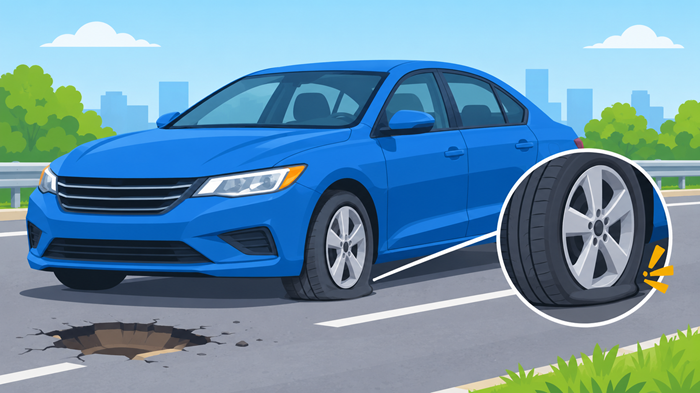
Tires are among the most frequently used and exposed parts of a vehicle. From unexpected potholes and sharp road debris to accidental damage and vandalism, several situations can leave drivers with expensive tire repairs or replacement bills. This raises an important question: does car insurance cover tires?
The answer depends on the type of policy, the cause of the damage, and the coverage options included in the insurance agreement. Full coverage car insurance may provide financial protection for tire damage caused by certain covered incidents, but it does not automatically pay for every puncture, flat tire, or replacement.
Understanding how full coverage car insurance works can help drivers make informed decisions, avoid unexpected expenses, and choose suitable protection through SimplyIOA.
Key Takeaways
-
Tire damage caused by covered accidents may qualify for insurance compensation.
-
Regular wear and tear, ageing, and routine punctures are generally excluded.
-
Full coverage car insurance combines important vehicle protection options, but coverage depends on policy terms.
-
Separate tire protection and roadside assistance can help with specific tire-related expenses.
Does Car Insurance Cover Tire Damage?
Yes, car insurance may cover tire damage, but the circumstances surrounding the damage matter. Not every tire-related problem qualifies for an insurance claim.
For example, a tire damaged during a covered road accident may qualify under the policy’s collision coverage. Similarly, damage resulting from vandalism or another covered non-collision incident may qualify under comprehensive coverage.
However, a tire that becomes worn out through regular driving or develops a routine puncture may not receive compensation under a standard policy.
Full coverage car insurance generally refers to a combination of liability, collision, and comprehensive protection. It is not a separate guarantee that every vehicle component will be replaced without additional costs.
Drivers should review their policy documents to understand the applicable exclusions, deductibles, and claim conditions before expecting reimbursement.
How Full Coverage Car Insurance Protects Your Tires
Understanding the different coverage components is essential when evaluating tire-related claims.
1. Collision Coverage for Accidental Tire Damage
Collision coverage may help pay for damage to your vehicle when it collides with another vehicle or an object.
For example, driving into a deep pothole could damage a tire, wheel, or suspension component. When the incident qualifies under the policy, collision coverage may help pay for eligible repairs or replacement.
Full coverage car insurance that includes collision protection can therefore be useful when tire damage occurs as part of a covered accident.
However, the deductible still applies, and the insurer determines the eligible claim amount according to the policy.
2. Comprehensive Coverage for Non-Collision Damage
Comprehensive coverage protects against certain unexpected events that do not involve a collision.
Depending on the policy, covered incidents may include:
-
Vandalism or intentional tire damage.
-
Theft of insured vehicle components.
-
Damage caused by certain severe weather events.
-
Falling objects or other covered external incidents.
For instance, someone deliberately slashing your tires could potentially qualify as vandalism under comprehensive coverage.
Full coverage car insurance with comprehensive protection may help with eligible losses, subject to exclusions, deductibles, and claim approval.
3. Liability Coverage Does Not Protect Your Own Tires
Liability insurance generally pays for bodily injuries or property damage you cause to other people in an accident.
It does not normally pay to repair or replace your own damaged tires.
This distinction matters because a driver carrying only the legally required minimum liability protection should not assume that their own vehicle components are insured.
When Does Full Coverage Car Insurance Not Cover Tires?
Although full coverage car insurance offers broader financial protection than liability-only coverage, certain tire-related expenses generally remain outside standard coverage.
Here are some common examples.
Normal Wear and Tear
Tires gradually lose their tread through regular driving. Exposure to heat, friction, road surfaces, and ageing also affects their condition.
Replacing worn-out tires is generally considered routine vehicle maintenance rather than an unexpected insured loss.
Regular Punctures and Flat Tires
A nail, screw, or other sharp object can cause a puncture during everyday driving.
A standard policy generally does not cover an isolated puncture or unexplained flat tire unless the circumstances meet a covered claim condition.
Roadside assistance may help arrange a tire change or towing service, but it does not necessarily pay for a replacement tire.
Improper Maintenance
Driving with incorrect tire pressure, ignoring damaged tread, or failing to maintain wheel alignment can contribute to tire problems.
Damage resulting from neglect or maintenance-related issues is generally excluded from standard vehicle insurance.
Manufacturing Defects
A tire that fails because of a manufacturing defect may fall under the manufacturer’s warranty rather than an ordinary auto insurance claim.
Drivers should contact the tire manufacturer or seller to understand the available warranty protection.
Does Full Coverage Car Insurance Cover Pothole Damage?
Potholes are a common cause of unexpected tire and wheel damage. A sudden impact can result in a punctured tire, bent rim, damaged suspension, or alignment problems.
Full coverage car insurance that includes collision protection may cover eligible pothole-related vehicle damage.
However, the outcome depends on the policy wording and the extent of the loss.
Before submitting a claim, consider the following:
-
Photograph the pothole and visible vehicle damage.
-
Record the date, location, and circumstances of the incident.
-
Obtain a professional repair estimate.
-
Check the policy deductible.
-
Contact the insurer before authorising major repairs.
A claim may not be financially worthwhile when the repair cost is close to or below the deductible.
What Is Tire Protection Coverage?
Tire protection is an additional coverage option designed specifically for certain tire-related expenses.
Unlike ordinary vehicle insurance, which focuses on covered accidental or external events, a dedicated tire protection plan may provide broader protection against specified road hazards.
Depending on the provider and selected plan, benefits may include:
-
Repair or replacement of eligible damaged tires.
-
Protection against specified accidental tire damage.
-
Coverage for certain punctures, cuts, or sidewall damage.
-
Assistance with eligible tire replacement expenses.
Drivers should check whether the plan covers individual tires, multiple tires, repair costs, labour charges, and depreciation.
It is also important to understand that full coverage car insurance and a separate tire protection plan are not interchangeable. Each has its own conditions and limitations.
How to Decide Whether a Tire Insurance Claim Is Worth Filing
Not every tire-related incident requires an insurance claim. Sometimes paying for repairs directly is more practical.
Consider these factors before making a decision.
Compare the Repair Cost With Your Deductible
Suppose replacing a damaged tire costs $180, while your insurance deductible is $500.
In this situation, filing a claim would generally not provide a financial benefit because the repair cost is below the deductible.
Full coverage car insurance becomes more useful when an eligible incident causes significant vehicle damage that exceeds the applicable deductible.
Consider the Effect on Future Premiums
Depending on the insurer, state regulations, and claim circumstances, filing a claim may affect future premiums or available discounts.
Review the potential long-term financial impact before submitting a minor claim.
Check the Policy Exclusions
Never assume that every damaged tire qualifies for reimbursement.
Read the policy wording, confirm the applicable coverage, and ask the insurer to clarify any uncertain conditions.
How to Protect Your Tires and Reduce Unexpected Expenses
Insurance is an important financial safeguard, but regular tire maintenance can help prevent avoidable damage.
Consider these practical measures:
-
Check tire pressure regularly: Maintain the recommended pressure specified by your vehicle manufacturer.
-
Inspect tread depth: Replace tires when they reach the manufacturer’s recommended replacement limits.
-
Avoid road hazards: Reduce speed around potholes, broken surfaces, and construction areas.
-
Rotate tires periodically: Follow the recommended rotation schedule to promote even wear.
-
Check wheel alignment: Incorrect alignment can contribute to uneven tread wear.
-
Keep emergency equipment: Carry a spare tire, jack, and suitable tools when appropriate.
Understanding the how to lower car insurance costs without losing coverage approach can also help drivers balance premium expenses with practical financial protection.
How to Choose the Right Car Insurance Through SimplyIOA
Choosing suitable vehicle protection requires more than comparing premium amounts. Drivers should understand what each policy includes and whether the available coverage matches their financial needs.
When exploring full coverage car insurance through SimplyIOA, pay attention to the following considerations:
-
Coverage selection: Understand whether collision and comprehensive protection are included.
-
Deductibles: Check how much you must pay before eligible insurance benefits apply.
-
Policy exclusions: Review restrictions relating to tire damage, maintenance, and ageing.
-
Optional benefits: Check whether roadside assistance or separate tire protection is available.
-
Claim procedures: Understand the documentation and reporting requirements.
When comparing car insurance companies, focus on coverage details, service conditions, and the actual benefits offered rather than choosing a policy based on price alone.
Your location can also influence premiums and available coverage. Understanding why car insurance quotes vary by state can help explain differences in insurance costs and requirements.
Drivers should also consider monthly vs annual car insurance before selecting a payment arrangement. The total premium, available discounts, and payment fees can influence the overall cost.
For younger motorists, understanding what young drivers should look for when choosing car insurance is particularly useful when evaluating coverage limits, deductibles, and affordability.
JNA provides a range of services, including different types of insurance and digital marketing services. Our insurance resources help readers explore relevant coverage information, while its digital marketing services support businesses looking to strengthen their online presence.
Final Thoughts
Tire damage can happen unexpectedly, but understanding your insurance coverage can make the financial consequences easier to manage.
Full coverage car insurance can provide valuable protection when tire damage results from eligible accidents or covered external incidents. However, routine punctures, ageing, and normal wear and tear are generally not covered under standard policies.
Before selecting coverage through SimplyIOA, review the policy wording, deductibles, exclusions, and optional benefits carefully. The right approach is to choose protection that suits your vehicle, driving habits, and financial requirements rather than assuming every repair will be covered.
Being informed about your coverage and maintaining your tires properly can help you stay prepared for unexpected road expenses.
Frequently Asked Questions
1. Does car insurance cover a flat tire?
Standard car insurance generally does not cover an ordinary flat tire unless it results from a covered incident.
2. Does full coverage car insurance pay for new tires?
It may pay for eligible tire damage caused by a covered event, but it generally excludes normal wear and tear.
3. Does insurance cover tire damage from potholes?
Collision coverage may cover eligible pothole damage, subject to the policy deductible and applicable conditions.
4. Does comprehensive insurance cover slashed tires?
It may cover deliberately damaged tires when the incident qualifies as vandalism under the policy.
5. Can roadside assistance pay for tire replacement?
Roadside assistance generally helps with services such as tire changes and towing, but replacement tire costs are not automatically included.