

Collision vs Comprehensive Insurance Simply Explained
July 17, 2026
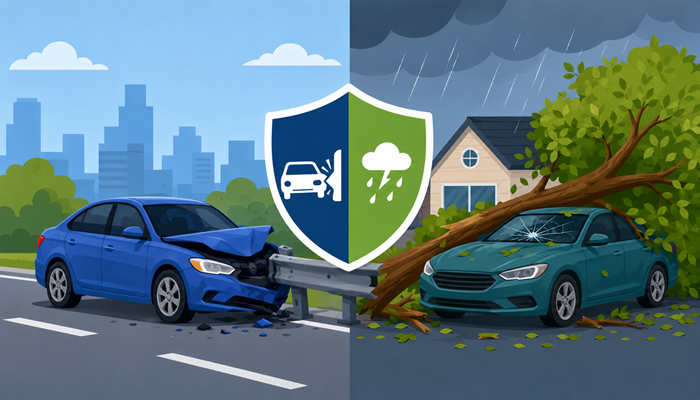
When you’re shopping for car coverage, it’s easy to get confused by similar-sounding policy options. Many drivers struggle to understand which type of protection covers what, when each policy applies, and whether they need both. Knowing the difference can help you make smarter coverage decisions, avoid unexpected expenses, and protect your vehicle more effectively.
In this guide, we’ll break down comprehensive and collision insurance, explain how each type of coverage works, compare their benefits, and help you decide which option fits your needs. Whether you’re buying your first policy or reviewing your current one, this article will give you the clarity you need.
Why Understanding Your Car Insurance Matters
Car insurance isn’t just about meeting legal requirements. It’s about protecting yourself financially when the unexpected happens. From accidents to falling tree branches, different risks require different types of coverage.
Before choosing your policy, it’s worth spending time understanding general car insurance so you can see how different coverages work together within a complete insurance plan.
What Is Collision Insurance?
Collision insurance helps pay for repairs to your vehicle after it collides with another vehicle or object, regardless of who caused the accident.
This coverage is designed to protect your own vehicle rather than someone else’s property.
Common Situations Covered
- You hit another car.
- Another vehicle hits your car.
- You collide with a guardrail.
- You back into a pole.
- Your vehicle rolls over after an accident.
If you’ve ever wondered what does collision insurance cover, these are the types of incidents typically included under this protection.
What Is Comprehensive Insurance?
Comprehensive insurance protects your vehicle from damage that isn’t caused by a collision. Think of it as coverage for unexpected events that happen beyond your control.
Instead of focusing on accidents, it covers many non-collision risks that could damage or destroy your vehicle.
Common Situations Covered
- Theft
- Fire
- Flooding
- Hailstorms
- Falling branches
- Vandalism
- Animal collisions
- Broken windshield from flying debris
Many drivers ask what does comprehensive insurance cover because these events often occur without warning and can result in expensive repairs.
Collision vs. Comprehensive Insurance: The Key Differences
Although these coverages are often purchased together, they serve different purposes.
The biggest difference is simple:
- Collision coverage pays for damage resulting from crashes.
- Comprehensive coverage pays for damage caused by events other than crashes.
Understanding this distinction makes choosing comprehensive and collision insurance much easier.
Do You Need Both Types of Coverage?
The answer depends on several factors.
Your Vehicle’s Value
If your car is relatively new or still has significant value, carrying both coverages can make financial sense.
Your Budget
Some drivers choose only liability insurance to reduce premiums. However, doing so means paying out of pocket for damage to their own vehicle.
If affordability is a concern, consider exploring cheap auto insurance options without sacrificing important protection.
Loan or Lease Requirements
Most lenders require both comprehensive and collision coverage until your vehicle loan is paid off.
Real-Life Examples
Example 1: A Parking Lot Accident
You accidentally scrape a concrete pillar while parking.
Collision insurance helps cover the repair costs.
Example 2: A Severe Hailstorm
A storm leaves hundreds of dents across your car’s roof and hood.
Comprehensive insurance typically covers the damage.
Example 3: Vehicle Theft
Your parked vehicle is stolen overnight.
Comprehensive coverage may reimburse you for the vehicle’s value after your deductible.
Example 4: Hitting a Deer
While driving at night, you strike a deer crossing the road.
This is generally considered a comprehensive claim rather than a collision claim.
Understanding Deductibles
Both coverages usually come with deductibles.
A deductible is the amount you pay before your insurance contributes toward repairs.
For example:
- Repair cost: $4,000
- Deductible: $500
- Insurance pays: $3,500
Choosing a higher deductible often lowers your monthly premium but increases your out-of-pocket expense during a claim.
Is Comprehensive Coverage Worth It?
Many drivers underestimate how often non-collision damage occurs.
Weather events, theft, vandalism, and falling objects happen every day. Repairing or replacing a damaged vehicle without insurance can become extremely expensive.
For newer vehicles, comprehensive coverage often provides valuable financial protection.
Is Collision Coverage Worth It?
If replacing or repairing your vehicle after an accident would create financial hardship, collision coverage is worth considering.
Even careful drivers cannot control the actions of others on the road.
Having comprehensive and collision insurance together creates broader protection against both common and unexpected risks.
How Your Vehicle Choice Affects Insurance Costs
Insurance premiums are influenced by more than your driving history.
Factors include:
- Vehicle value
- Repair costs
- Safety ratings
- Theft rates
- Replacement parts
Buying a vehicle that’s affordable to insure can reduce long-term ownership costs. Many drivers benefit from finding balance between a budget-friendly car and low insurance costs before purchasing their next vehicle.
Comprehensive vs. Collision: Which Is Better?
Neither coverage is inherently better because each protects against different risks.
Collision insurance is valuable if you’re worried about accidents.
Comprehensive insurance is important if you’re concerned about theft, severe weather, vandalism, or other non-collision events.
For many drivers, the strongest protection comes from carrying comprehensive and collision insurance together.
How SimplyIOA Insurance Can Help
When comparing coverage options, choosing the right partner matters. SimplyIOA helps drivers explore insurance solutions designed to fit their vehicle, driving habits, and budget. Rather than overwhelming customers with unnecessary complexity, SimplyIOA focuses on making it easier to understand available coverage options so you can confidently choose comprehensive and collision insurance that aligns with your needs.
Roadside Assistance Isn’t the Same as Insurance
Many people mistakenly believe roadside assistance replaces vehicle insurance.
In reality, they serve completely different purposes. Learning the roadside assistance vs. car insurance difference helps you understand why both services can complement each other instead of replacing one another.
Should You Add Both Coverages?
For many drivers, especially those with newer or financed vehicles, carrying comprehensive and collision insurance offers more complete financial protection.
While adding these coverages increases your premium, it can significantly reduce the financial burden after accidents or unexpected damage.
The right decision depends on your vehicle’s value, financial situation, and personal comfort with risk.
Finding the Right Insurance Coverage
Choosing coverage shouldn’t feel overwhelming. Comparing policy options, deductibles, and protection levels can help you make a more informed decision.
If you’re reviewing plans, consider working with experienced insurance providers that can help match your coverage to your specific needs.
Whether you’re driving a brand-new SUV or a reliable daily commuter, comprehensive and collision insurance remains one of the smartest ways to protect your investment.
Conclusion
Understanding the difference between comprehensive and collision insurance helps you choose coverage that matches your vehicle, budget, and driving habits. Collision coverage protects your vehicle after crashes, while comprehensive coverage safeguards against theft, weather, vandalism, and other non-collision events.
Many drivers benefit from carrying both policies because together they provide broader financial protection against a wide range of risks. Before selecting your next policy, compare your options carefully and choose coverage that gives you confidence every time you get behind the wheel.
Frequently Asked Questions
1. Is collision insurance required by law?
No. It’s usually required only by lenders for financed vehicles.
2. Can I buy comprehensive insurance without collision insurance?
Yes. They can usually be purchased separately.
3. Does comprehensive insurance cover windshield damage?
Yes, in many policies, depending on the cause and policy terms.
4. Does collision insurance cover another driver’s vehicle?
No. It covers damage to your own vehicle after a collision.
5. Is auto collision insurance different from collision insurance?
No. It’s simply another name for the same type of coverage.